

































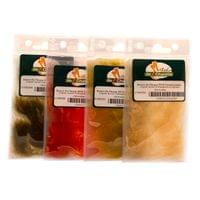
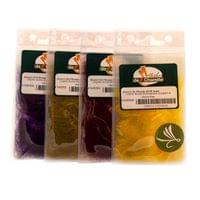


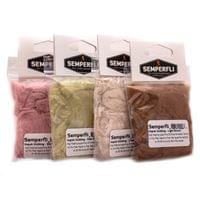
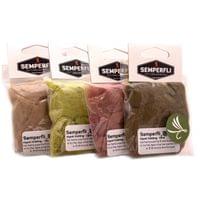










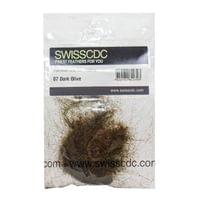
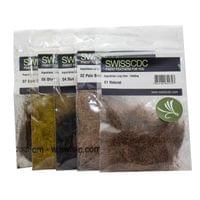


Natural dubbing is one of the most important materials in artificial fly tying
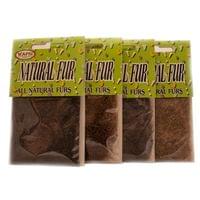
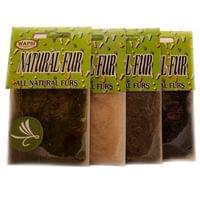
Made from the fur of various animals or from natural plant fibers, it allows the creation of realistic bodies and thoraxes with natural texture, transparency and movement in the water. Whether you are tying nymphs, dry flies, wet flies, emergers or streamers, the right choice of dubbing can significantly improve both the appearance and performance of your flies.
Natural fibers are distinguished by a unique structure that is difficult to achieve with synthetic materials of synthetic dubbing. They create a lively silhouette, retain air bubbles, reflect light in a natural way and allow the formation of bodies with different densities and relief.
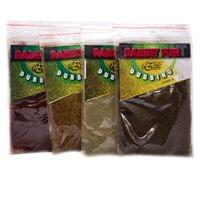
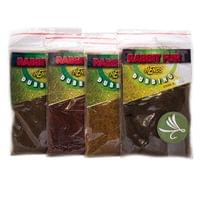
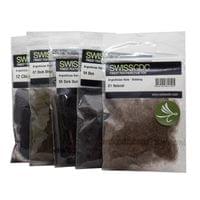
Rabbit/Hare Dubbing
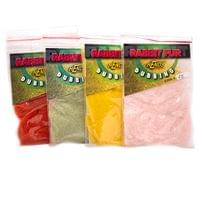
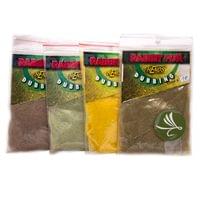
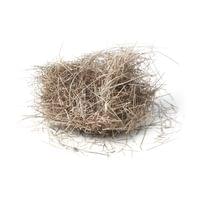
Rabbit fur is among the most popular materials in modern fly tying. The combination of fine underfur (under fur) and longer guard hair (guard hair) creates a natural and slightly shaggy texture. Hare's Mask is easily twisted onto the thread and allows for the construction of realistic bodies for a wide variety of patterns. It is especially popular with nymphs and wet flies.
Hare's Mask
Hare's Mask is one of the most iconic materials in fly tying. It contains fibers of varying lengths and textures, collected from different parts of the hare's head. The resulting dubbing is extremely "lifelike" and creates a naturally shaggy silhouette that perfectly imitates the legs, gills and other details of aquatic insects.
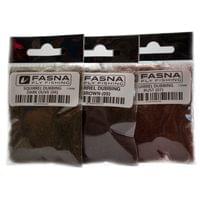
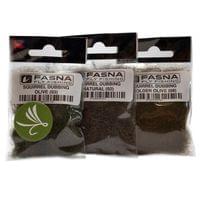
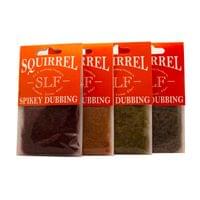
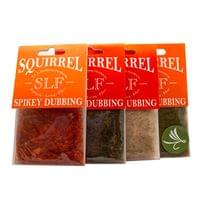
Squirrel Dubbing
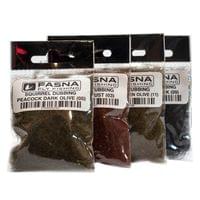
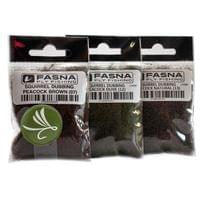
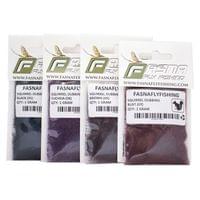
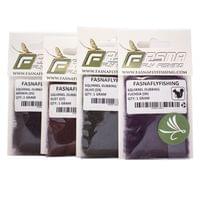
Squirrel fur contains stiffer and more elastic fibers that create a characteristic "buggy" effect. It is a preferred choice for nymphs and larval imitations where a coarser and more lifelike texture is desired.
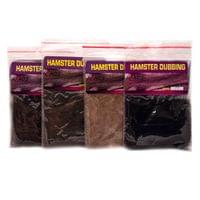
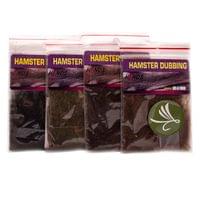
Hamster Dubbing - Hamster fur combines softness with moderate fiber length, making it a versatile material for a variety of nymph and wet fly types. It produces a naturally voluminous body with excellent motility.
Muskrat
Muskrat is a classic material for dry flies and emergers. Its fine undercoat allows for compact bodies with natural gray and olive tones, resembling many mayfly species.
Beaver
Beaver dubbing is known for its extremely fine structure and ease of shaping. It allows for the construction of very thin and smooth bodies, making it a preferred material for small dry flies and delicate patterns.
Possum
Possum fur is soft, yet contains enough long fibers to create a natural texture. It is characterized by good underwater motility and a natural sheen.
Nutria
Nutria offers an excellent balance between softness and durability. The fibers are easily twisted onto the thread and allow for both smooth and more textured bodies. The material is particularly popular among European fly tyers when tying modern nymphs.
Seal Fur Dubbing
Seal fur dubbing is a classic material known for its translucency and natural sheen. It creates an extremely vivid effect underwater and is preferred for traditional wet flies and salmon patterns.
Deer Hair Dubbing
Made from fine deer hair fibers, this dubbing is particularly useful for dry flies. Its natural ability to retain air contributes to the better buoyancy of the finished fly.
Kapok Dubbing
Kapok is a natural plant fiber with extremely low weight and excellent buoyancy properties. This makes it an excellent choice for the finest dry flies and delicate emergers.
Mixed Natural Dubbings
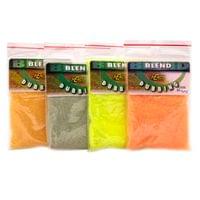
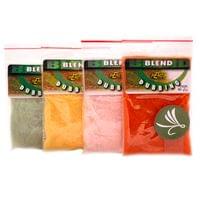
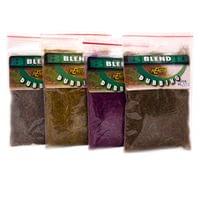
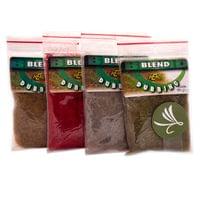
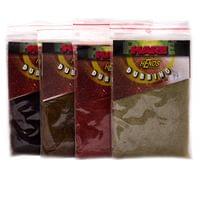
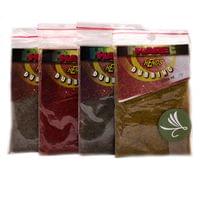
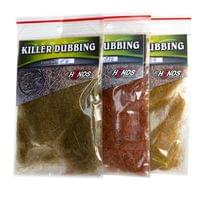
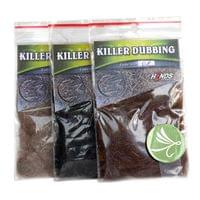
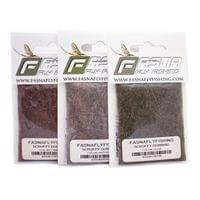
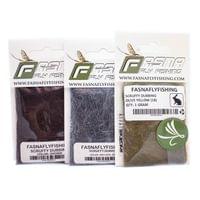
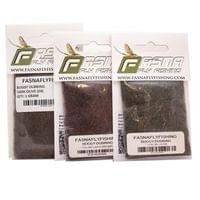
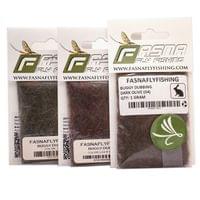
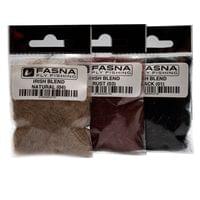
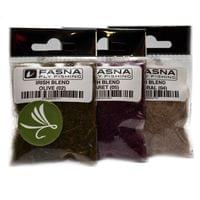
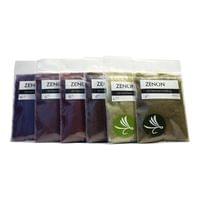
Modern manufacturers often combine different natural furs to achieve a specific texture, color and behavior in the water. These include the various Hare, Blend, Irish Blend, Buggy and Scruffy blends, which combine soft underfur and stiffer guard hairs for the most realistic silhouette.
Specialized Nymph Dubbings
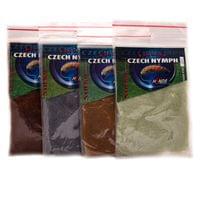
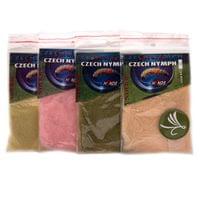
Some natural blends have been developed specifically for modern European nymphing techniques. They combine natural fibers of different lengths and structures, and sometimes fine attractor fibers for additional effect. Such materials are particularly effective with Czech nymphs, French nymphs and racing models.
How to choose a suitable natural dubbing?
The choice mainly depends on the type of fly and the desired effect. Finer materials such as beaver, muskrat and kapok are excellent choices for dry flies and emergers, where compact bodies and good buoyancy are sought. Coarser and shaggy blends of rabbit, squirrel, possum or nutria create a natural silhouette and are preferred for nymphs and wet flies. For maximum realism, many fly fishermen combine different natural dubbings to achieve the optimal balance of texture, volume and movement in the water.
Why choose natural dubbing?
Natural dubbing remains the preferred choice for fly tyers looking for maximum realism and natural fly behavior in the water. The wide variety of hairs and fibers allows for the creation of flies for every situation – from delicate dry flies for grayling to heavy nymphs for trout and attractive streamers for predatory fish
Many of the most successful modern and classic fly patterns rely on natural dubbing. Thanks to their texture, natural sheen and movement in the water, they remain the preferred choice for both traditional patterns such as the Hare's Ear Nymph and modern competition European nymphs. Natural dubbing remains the material that gives every fly a realistic look, natural movement and the ability to provoke strikes from wary fish. Choosing the right natural dubbing is often the small detail that turns a good fly into a highly successful fly. Many of the different types of natural dubbing are also available in dubbing dispensers.
For maximum control when working with fine natural fibers, many fly tyers use a quality dubbing wax.
Browse our selection of natural dubbings and find the right material for your next successful fly.