

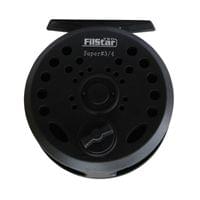
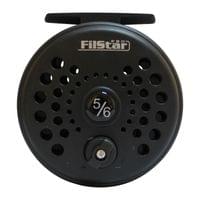
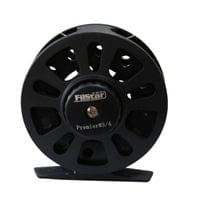
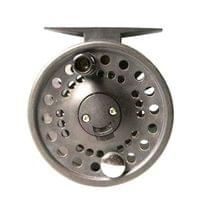
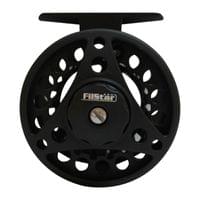
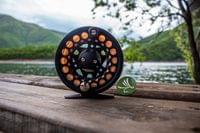
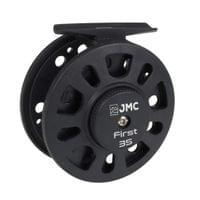
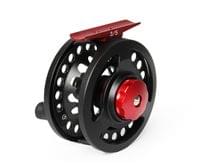
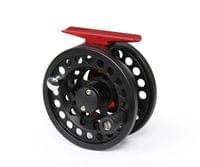
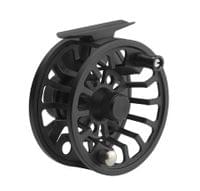
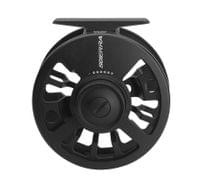
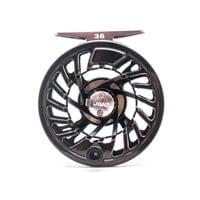
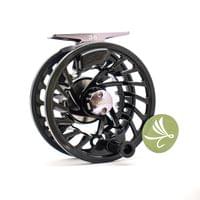
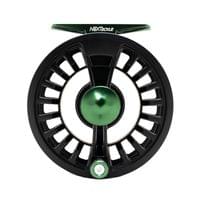
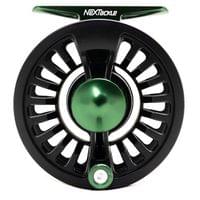
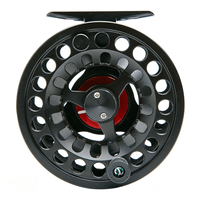
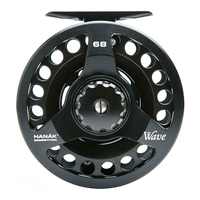
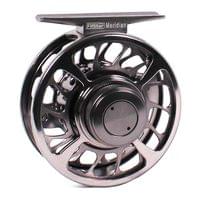
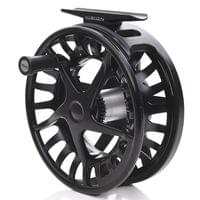
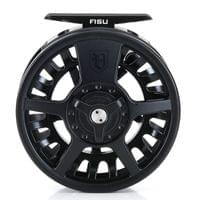
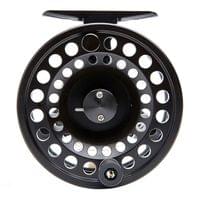
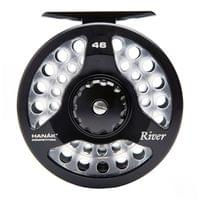
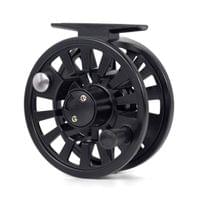
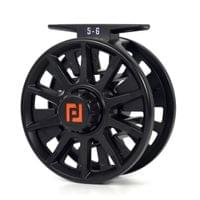
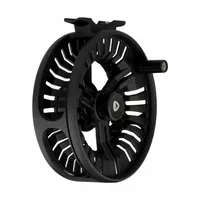
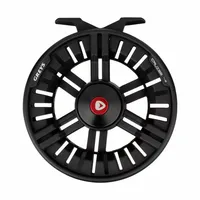
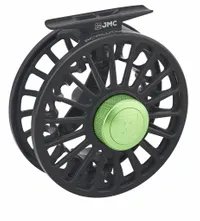
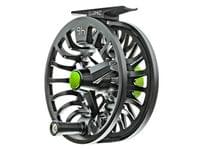

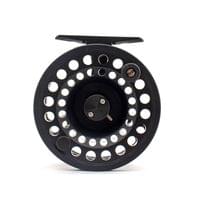
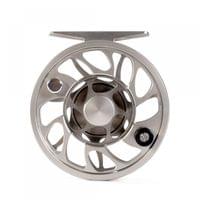
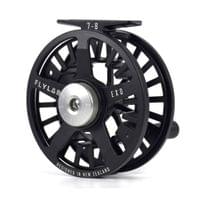
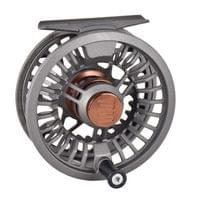
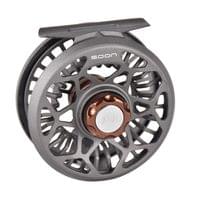
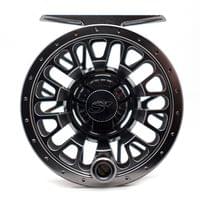
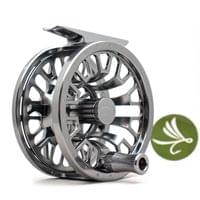

Fly reels, like fly fishing rods themselves, are divided according to many principles.
Range
Usually corresponds to the weight of the fly rod. For smaller rivers and fish, reels of weight 2-4 are used, for larger rivers - weight 5-6, as well as for rods already for larger fish, salt water reels become relative to flies - 7-9, 9- 11, 11-13 - of course, everything is quite conditional and different manufacturers offer different ranges of their reels on the market.
Advance
A very important factor that greatly affects the price of the reels. The old classic fly reels do not have any brake (the so-called "advance") and have the "Click and Pawl" system, the task of which is simply not to spin the spool freely, and stopping the fish is done entirely with the hand holding the line or with the other hand resisting the edge of the reel. When working with very thin tippets or with large fish you need serious advance on your reel. There are several requirements - high braking force, smooth adjustment of braking force, small initial braking force, protection from external factors - water, sand, dust, sea water, good heat dissipation, durability - wear resistance.
Weight
Of course the weight corresponds somewhat to the class of the fly reel, but even with the same classes the weight varies in a very large range depending on the materials and design of the reel and this is not at all accidental - in order to balance a rod well with 7 feet long and one 11 feet long, even when they are in the same class you need different weight reels.
Material
Modern reels are made from many different materials - cast or turned/milled aluminum usually with an anodized finish at the higher end, various graphite or plastic alloys at the lower end.
Design
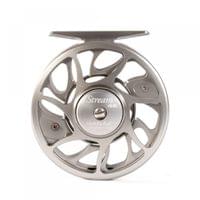
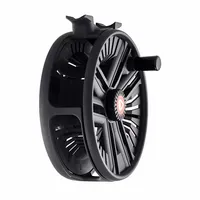
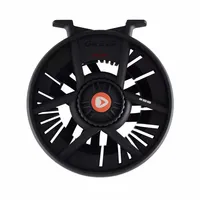
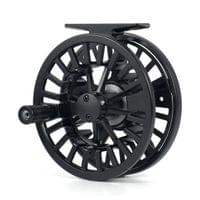
With reels, design is hugely important to most anglers - preferences are definitely very different. There are absolutely classic-looking reels on the market to reels with a decidedly cosmic design, and there companies that keep experimenting.
Diameter of the inside of the spool
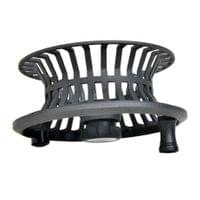
We distinguish two types of spools - again classic, where the diameter of the spool starts from almost the axis of the spool. The other modern and modern type are the so-called “large arbor” spools, which have many advantages - extracting or winding the line is much faster, it stays on the spool on large coils and this eliminates its memory, etc.
Application
As with fly rods - reels are also divided into freshwater and saltwater reels, the latter being usually more specialized and more expensive.
Spool change
It is normal to have an extra spool for your reels, which allows quick and easy line changes on the river. Many companies also offer the so-called cassette reels, where you already get a reel complete with several spools upon purchase.
Price and quality
As with all other products, fly reels start at very low prices and reach serious sums, which also corresponds to the difference in quality. Very often, quality reels reward their owners with trophy fish, while when fishing for smaller fish, the reel is very often used "so you don't have to carry the line in your pocket".