

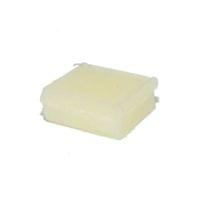
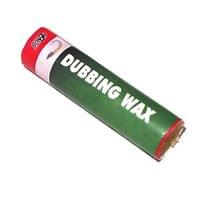
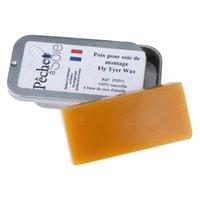
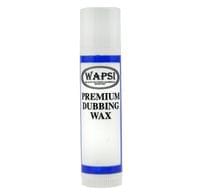
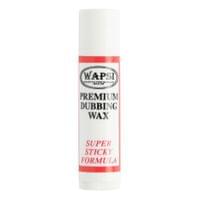
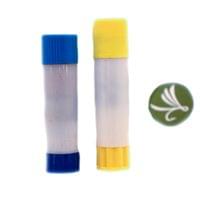
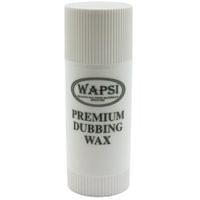
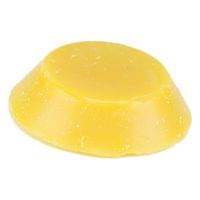
Dubbing wax is one of the most useful aids in tying artificial flies
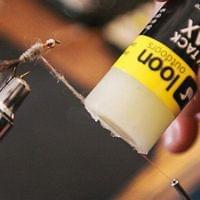
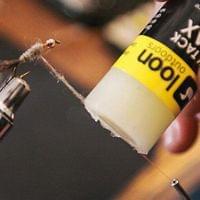
Although it often remains in the shadow of the main materials, it plays an important role in making dubbing bodies easier and more precise. Applying a thin layer of wax to the thread helps the fibers to grip better, to twist more easily and to form a stronger and more even body. Wax is an indispensable assistant when working with both natural and synthetic dubbing, especially when tying small nymphs and emergers.
Regardless of whether you use natural or synthetic dubbing, in packets or from dubbing dispensers, the right wax can significantly facilitate the work and improve the final result.
Why use dubbing wax?
With many types of dubbing, especially fine synthetic fibers or shorter natural hairs, attaching to the thread can be a challenge. Wax increases the adhesion between the thread and the fibers, allowing for more precise control over the amount of material and the formation of more compact bodies.
Main benefits:
Easier attachment of the dubbing to the thread.
Stronger and more compact bodies.
Better control when working with small flies.
Makes it easier to make a dubbing loop.
Reduces the breakdown of the dubbing during tying.
Suitable for both natural and synthetic materials.
Standard dubbing wax
Classic hard wax is the most common option. It provides moderate stickiness and is suitable for everyday work with most types of dubbing. It allows for easy application of a thin layer to the thread without the risk of excessive oiliness. Suitable for: nymphs, dry flies, wet flies, emergers
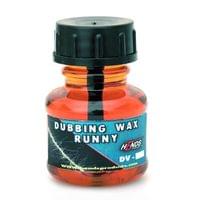
Liquid wax
Liquid wax offers even application and very precise control over the amount. It is preferred by many modern fly tyers when working with fine threads and small hook sizes. Suitable for: small nymphs, competition models, fine emergers, working with micro dubbing
High Tack wax
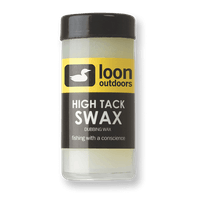
High Tack waxes are distinguished by a significantly higher tack. They are especially useful when working with longer, coarse or difficult to twist fibers. They provide maximum control and stability when making dubbing loops and voluminous bodies. Suitable for: rabbit dubbing, squirrel mixes, streamers, buggy nymphs, dubbing loop techniques
Low Tack wax
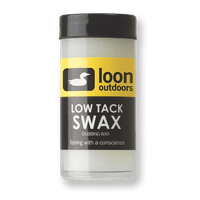
Softer waxes provide sufficient adhesion without sticking the fibers too much. They are an excellent choice for delicate dry flies and situations where a more ethereal body texture is sought. Suitable for: dry flies, CDC models, fine emergers, small trout flies
Wax for natural and synthetic dubbing
Different types of dubbing react differently to wax. Natural hairs usually grip easily, but wax allows for better control and tighter twist. With synthetic fibers, it is often the key to building an even and strong body. Many experienced fly tyers use wax on almost all models, especially when working with fine threads or complex dubbing loop constructions.
The small detail that makes a big difference
A dubbing wax is one of those accessories that takes up minimal space on the tying table, but can significantly improve the quality and convenience of work. Whether you are tying classic nymphs, delicate dry flies or modern competition models, the right wax will help you work faster, more precisely and with better results.
For many fly fishermen, it is an indispensable assistant that turns dubbing work from a challenge into a pleasure.