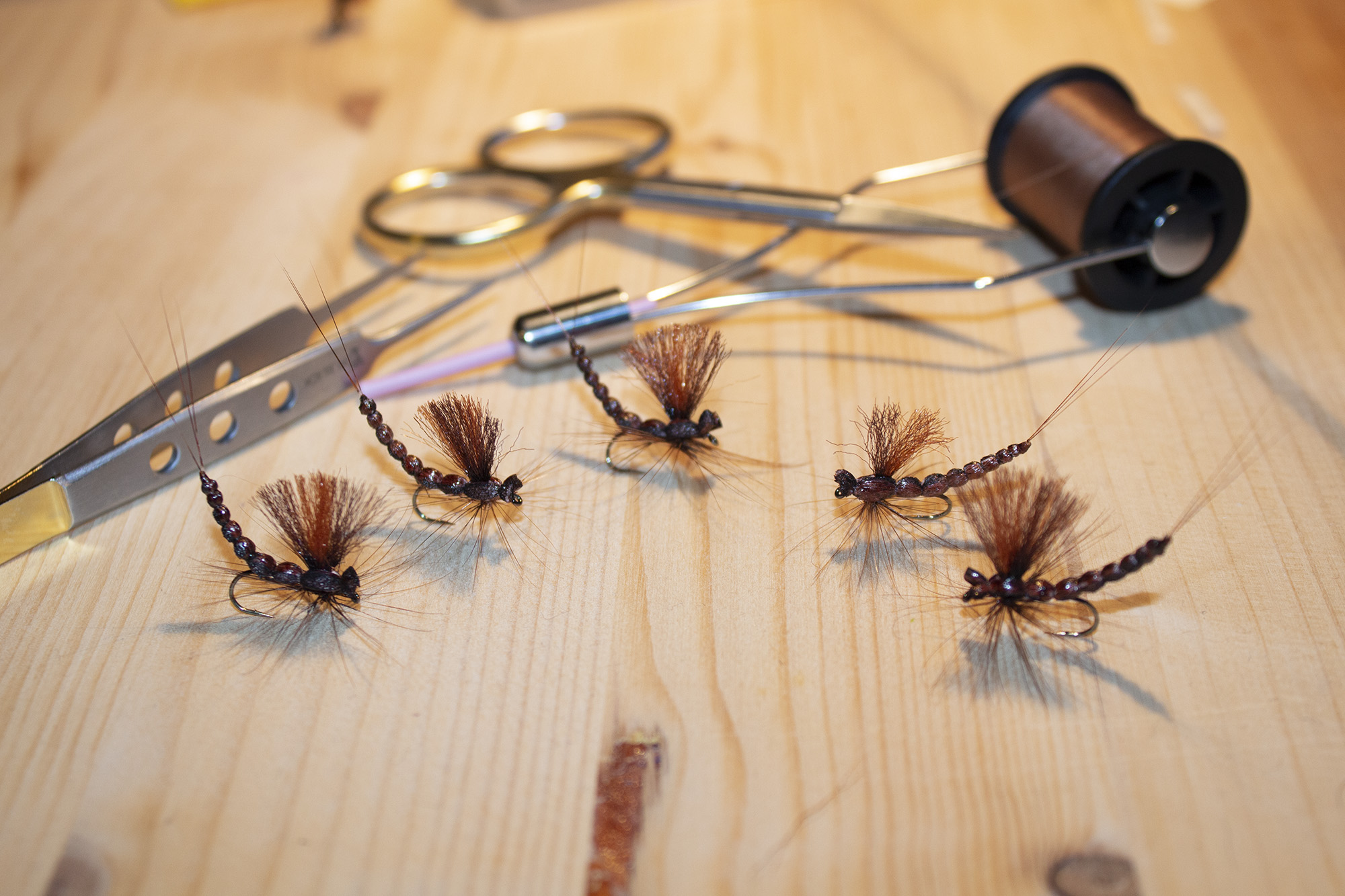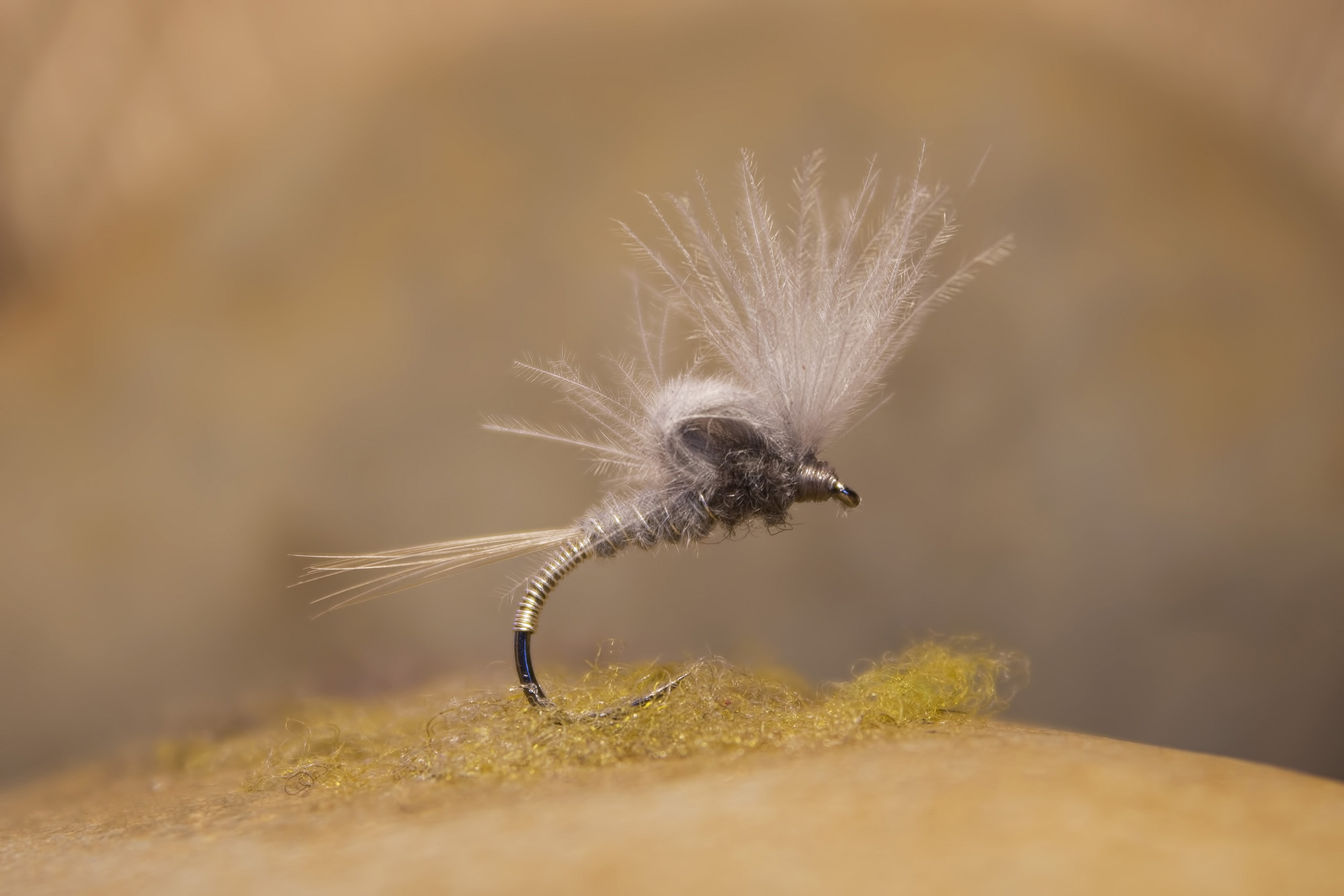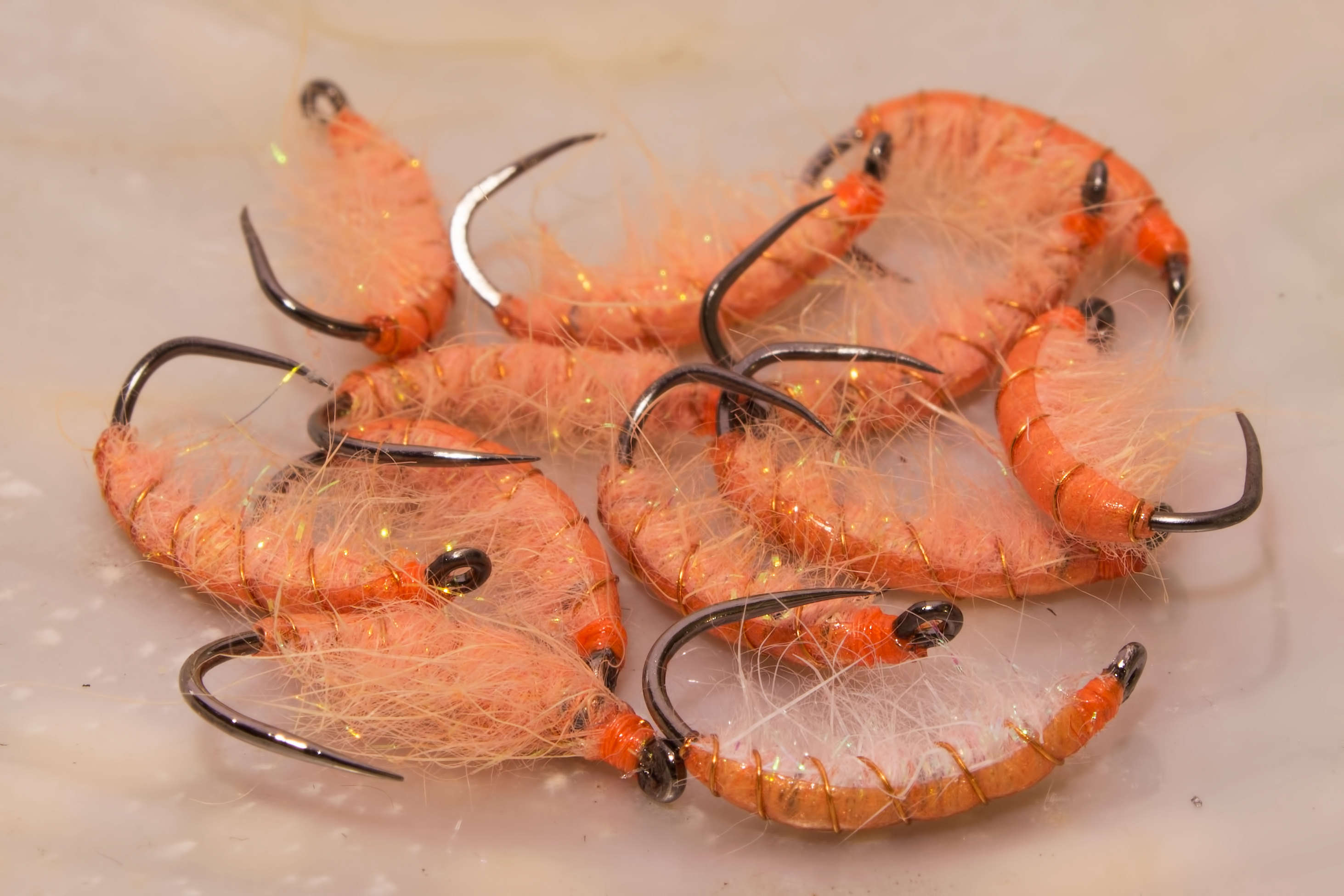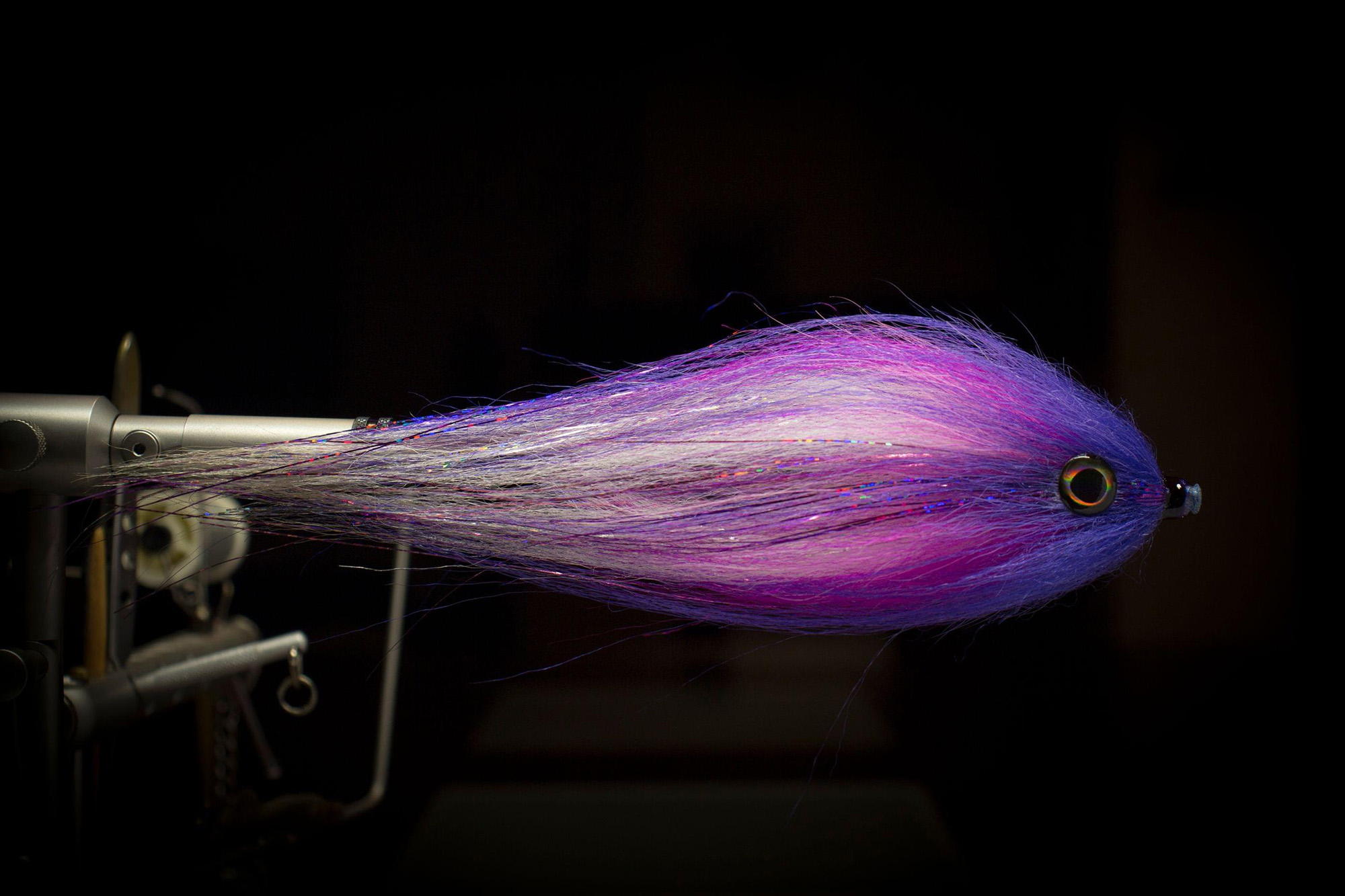

The main tool for tying artificial flies
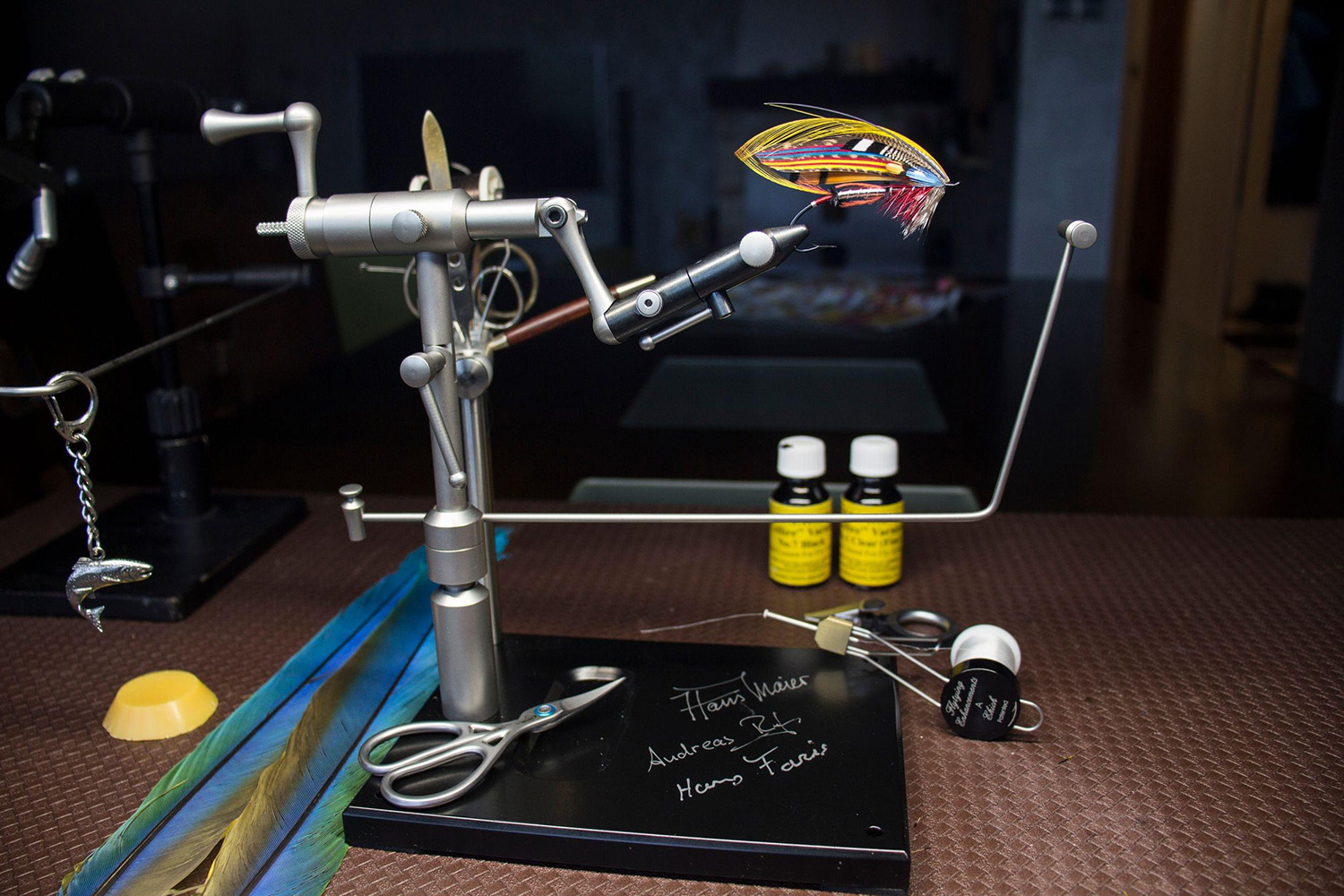
Every single fly starts from the jaws of your vise
- Browse through the offerings and find the perfect vise to suit your specific needs. There are patterns here that would satisfy the requirements of both beginners and advanced tyers
- With or without rotation, with a pedestal or with a clamp, for hooks or for tubes, jaws, eccentrics, bobbin holders, tools or paraloupes - the options are many and definitely fly vises are the tools that have undergone the greatest development in fly tying

Choose everything you need correctly
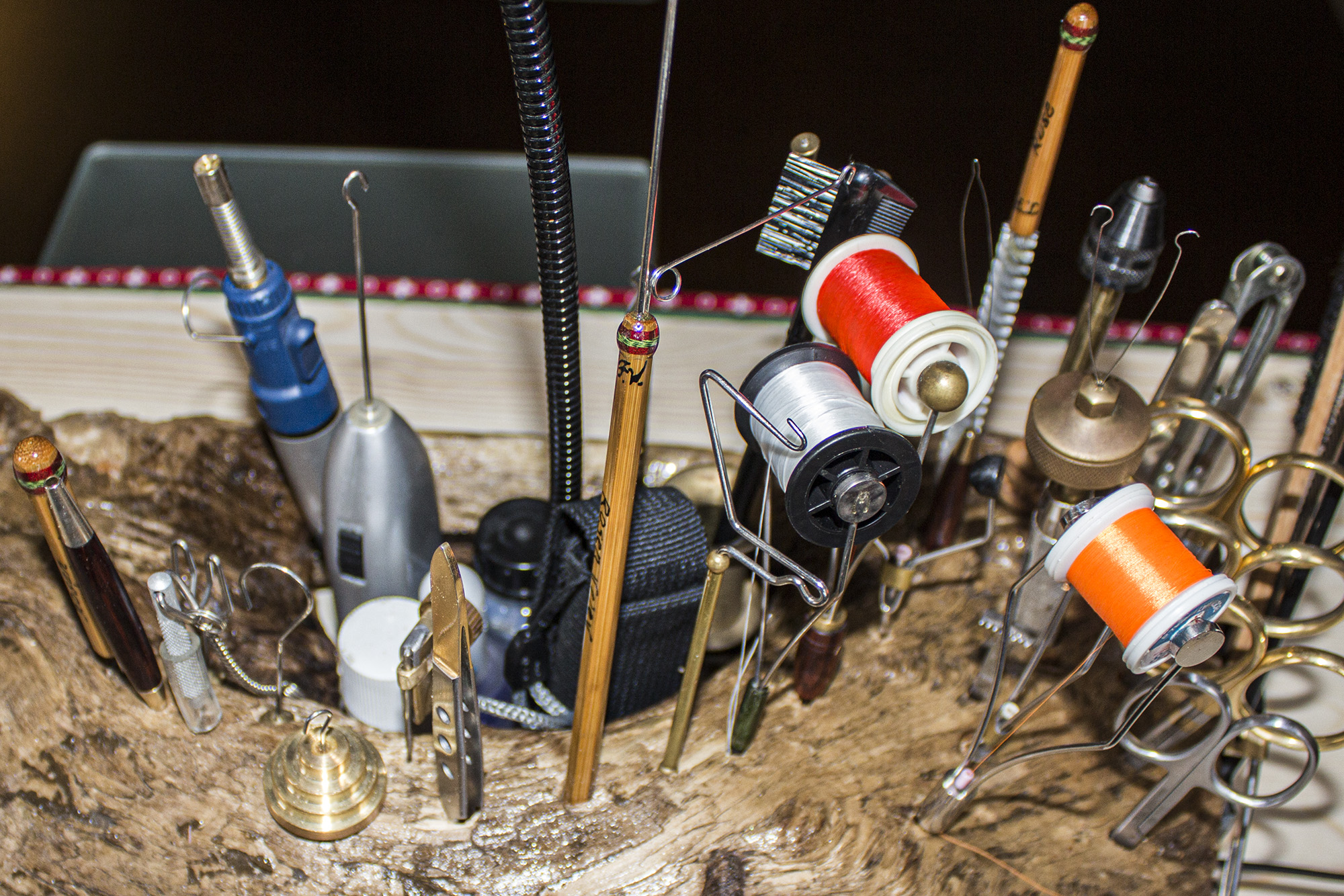
In the creation of artificial flies, very specific tools are used that could make tying an incredible pleasure
- Bobbins, tweezers and scissors
- Whip finishers, feathers and fur tools
- Twisters, needles, brushes and clips
- Tool kits


Naturally, everything in fly tying starts with the hook
Different in shape, size and purpose
- Hooks for dry flies, emergers, wet flies, nymphs, streamers
- Various sizes - from 8/0 to 24 number

As well as hooks - a basic material for tying artificial flies
Many types of thread are used - different colors, with different numbers of threads, twisted or not, of different thickness and strength, with or without factory wax, on different sized spools
- It is recommended to have more types of thread


Many different types of wire are used in fly tying
The most common use of copper wire is when fishing nymphs or streamers, and lead is used to weigh them down
- Different colors
- Different thicknesses


The elements of many artificial flies are made from synthetic materials
The choice and variety is huge
- Backs of nymphs, beetles and shrimp
- Tails and bodies of dry flies, emergers and nymphs
- Legs of various flies, bodies of streamers

Indispensable materials for a huge number of flies
Different flash materials are used in all types of flies - dry, nymphs, emergers, wets and streamers and are known by many trade names
- Krystal flash, Angel Hair
- Holographic Hair
- Fine Hair
- Spectra Hair


They are mainly used for the bodies of beetles and streamers
A large selection of chenilles is available, which differ in their structure, thickness, color and hair length
- They have different trade names for different brands - Flash chenille, Krystal chenille, UV-Ice and many more


The best materials for ribbing
Tinsel and floss also come in a huge variety of thicknesses and colors
- They are used for fishing dry flies, wet flies and nymphs
- They are used for fishing classic and fishing salmon flies and streamers

The most used material for making beetles and any other terrestrial insects
Microporous rubber comes in a variety of shapes and colors. Many surface-fishing flies are made from it
- Beetles, wasps, grasshoppers, ants
- Extended bodies or thongs on dry flies and emergers
- Bodies and heads of many streamers and poppers for both freshwater and saltwater fishing


Made from the furs of various animals
Used for the bodies and heads of most artificial flies, the variety is huge - it can be very fine or coarser, in a huge palette of colors
- Dubbing from the fur of rabbit, squirrel, hamster, mole, muskrat, possum, nutria, beaver
- Dubbing from the fur of a seal, llama, camel, deer


As well as the natural one, it is used for the bodies and heads of a great many flies
It can be used both alone and in combination with natural dubbing
- Superfine, Spectra, Peacock
- UV and Ice дъбинг


The most convenient way to use dubbing
Dispensers are different boxes with a set of dubbings, which are selected according to certain characteristics, for example
- Natural or artificial, fine or coarse, UV Ice
- Dark or light

There is seldom a fly in the making of which some feathers have not been used
They find application for all elements of the fly and with all types of flies
- Tails, bodies, hackles, wings, legs - feathers are used for all elements of the fly
- Dry flies and emergers, wet flies and nymphs, streamers and salmon flies - feathers are used on all of them


As well as feathers - fur is used in the vast majority of artificial flies
Fur from different animals is also available in different ways - in small pieces, in strips or whole skins
- Tails of nymphs or wings and legs of dry flies
- Tails and wings of streamers