

What Do 6/0, 8/0, 10/0 and 12/0 Mean in Fly Tying Thread?
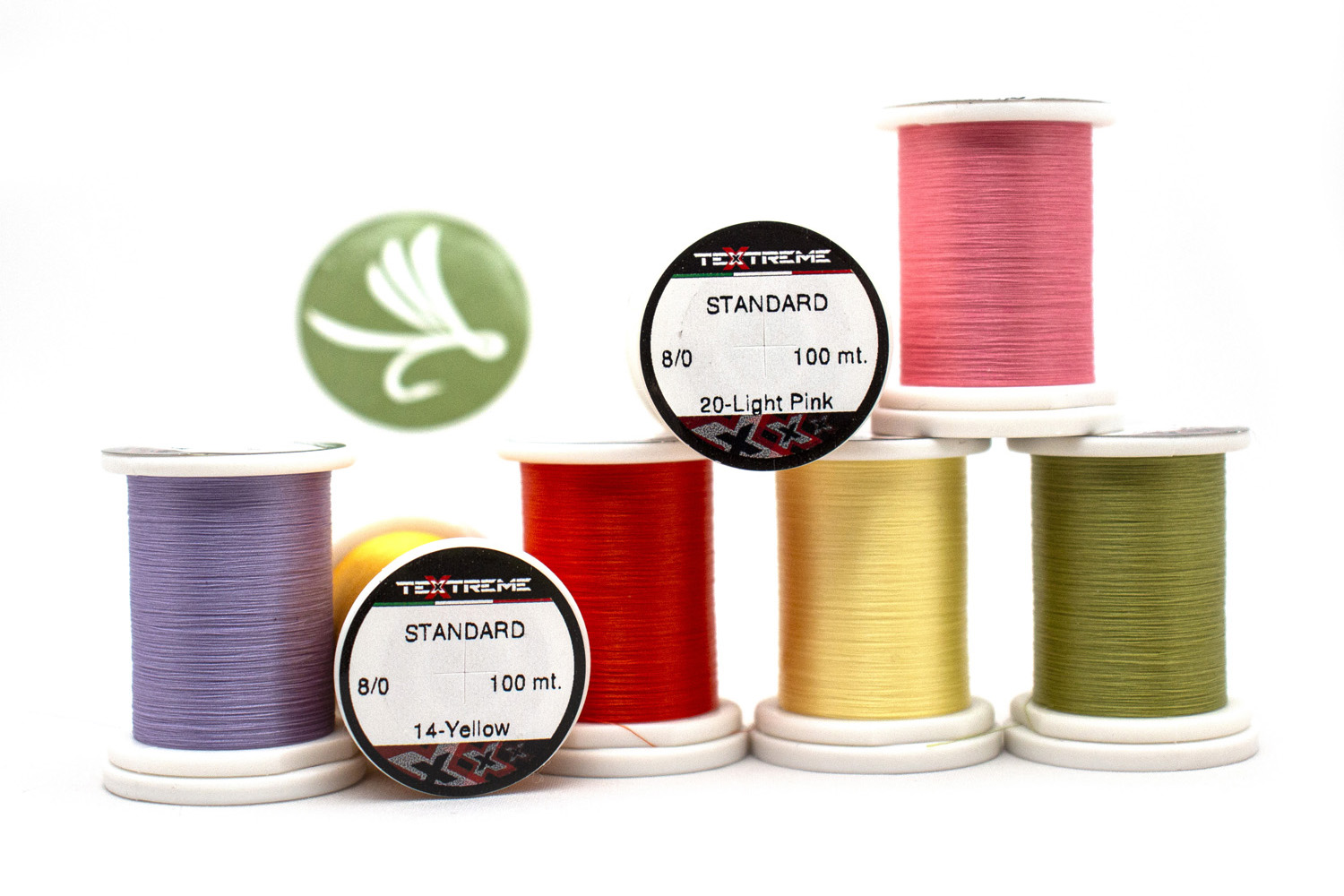
When we start looking for fly tying thread, sooner or later we come across designations such as 6/0, 8/0, 10/0 and 12/0.
For beginners, these numbers can seem rather strange. If 12 is a larger number than 6, it is logical to assume that 12/0 must mean a thicker thread.
With fly tying thread, however, the logic is reversed:
6/0 is thicker than 8/0, 8/0 is thicker than 10/0, and 10/0 is thicker than 12/0.
That is the basic rule to remember.
What Does Aught Mean?
The designations 1/0, 3/0, 6/0, 8/0, 10/0, 12/0, 14/0 и 16/0 belong to the traditional system used to indicate thread size, commonly known as the Aught system.
The “0” should not be interpreted as an ordinary mathematical part of the number. The designation indicates the relative fineness of the thread.
The basic rule is:
The larger the number before /0, the finer the thread.
Therefore:
- 6/0 → thicker
- 8/0 → finer
- 10/0 → even finer
- 12/0 → even finer
This logic may seem unusual at first, but once you remember the basic rule, the system becomes quite easy to use.
Why Do More Zeroes Mean a Finer Thread?
It is important not to look for a mathematical formula that converts 6/0, 8/0 or 10/0 into a specific diameter.
Aught is not a unit of measurement like Denier.
It is used as a relative designation for thread fineness.
Therefore, we can say that:
- 8/0 is finer than 6/0;
- 10/0 is finer than 8/0;
- 12/0 is finer than 10/0.
But we cannot say, for example, that 8/0 is exactly twice as fine as 4/0.
This is an important difference between the Aught system and Denier.
6/0, 8/0, 10/0 and 12/0 – What Is the Practical Difference?
For the fly tyer, the most important question is how thread fineness affects the way we build a fly.
6/0
A heavier thread that can be useful when we need to secure larger quantities of material or more bulky materials.
It can be useful for:
- larger dry flies;
- nymphs;
- streamers;
- flies with more materials;
- situations where more tying pressure is required.
8/0
A finer and versatile thread that is widely used for a variety of fly patterns.
It can be suitable for:
- dry flies;
- nymphs;
- small and medium-sized patterns;
- situations where we want to minimize unnecessary thread buildup.
10/0
An even finer thread that is particularly useful for small and delicate flies.
It allows us to build more compact bodies and small heads without adding unnecessary bulk.
12/0
A very fine thread intended for delicate applications.
It is often used for:
- small dry flies;
- midges;
- emergers;
- small nymphs;
- other patterns where minimizing material buildup is important.
These applications are only a general guide. The specific use depends on the construction and characteristics of the thread itself, not simply on whether it is labeled 6/0, 8/0 or 12/0.
Is 8/0 Always Finer Than 6/0?
Within the traditional logic of the Aught system – yes.
However, when we start comparing threads from different manufacturers, we need to be more careful.
The reason is that the 8/0 designation alone does not define all of the physical characteristics of the thread.
The material, construction, number of strands and the way the thread spreads or sits on the hook can all affect how it behaves.
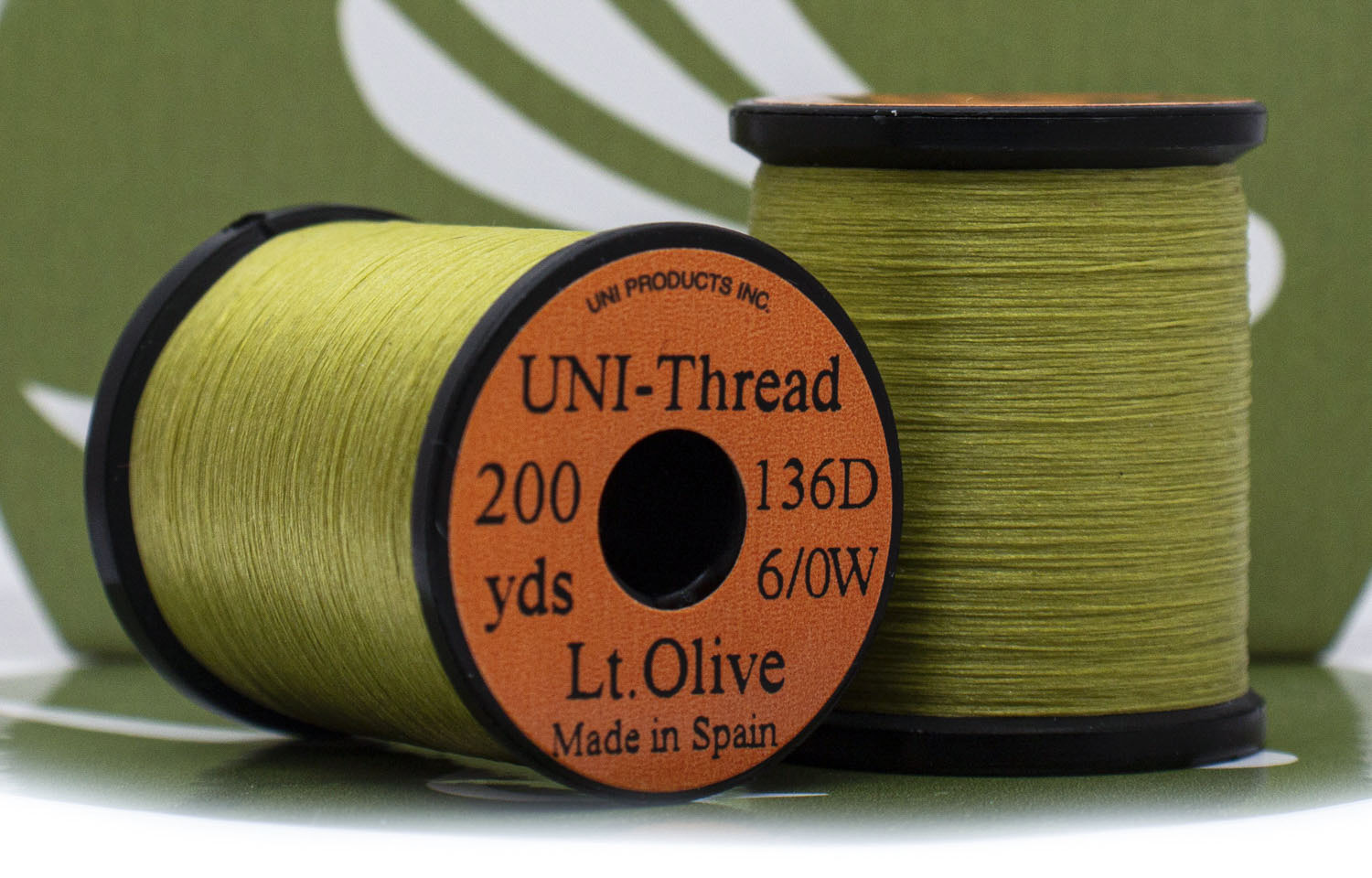
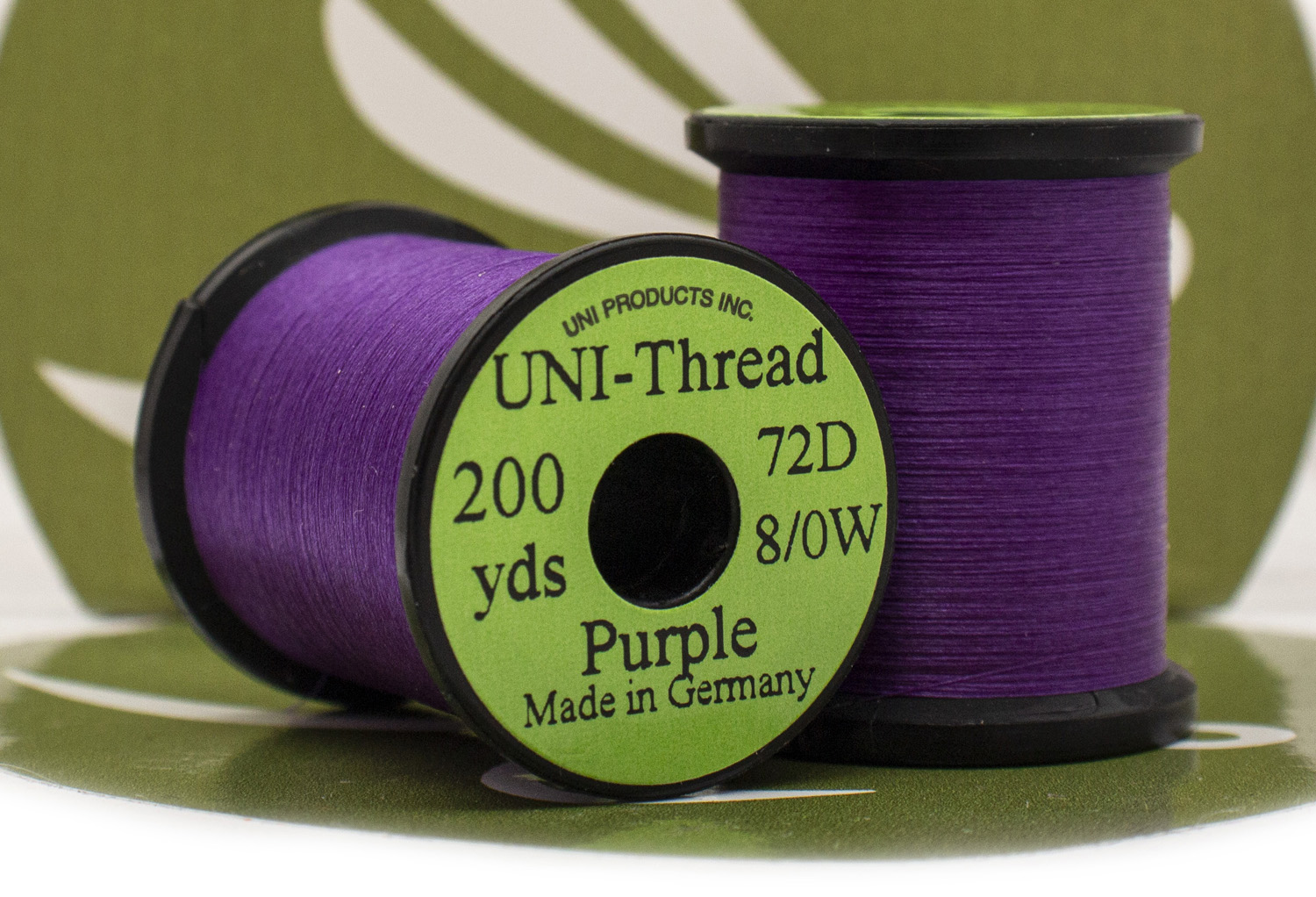
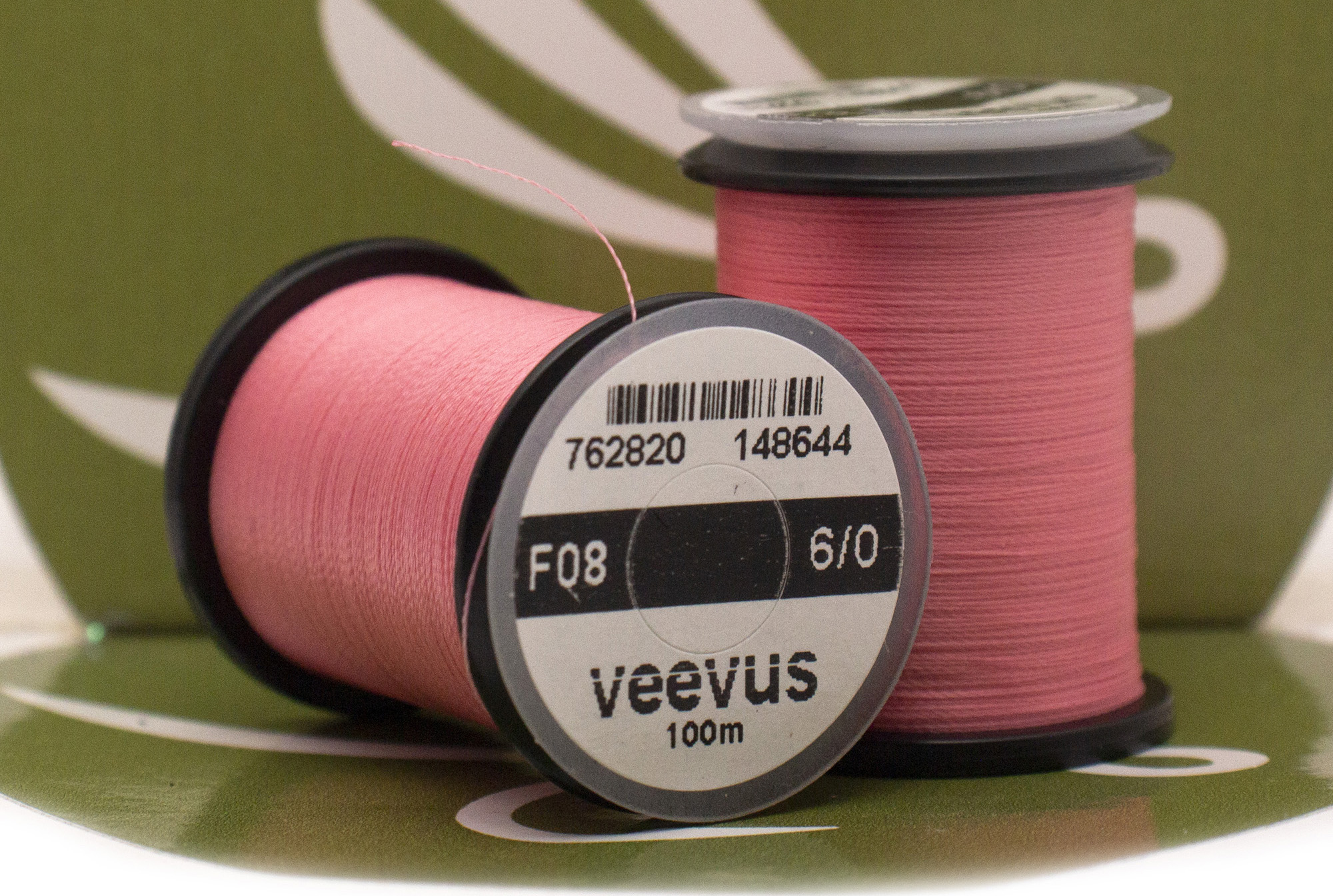
For example, UNI lists its 8/0 UNI-Thread at 72D, while its 6/0 UNI-Thread is listed at 136D. This follows the expected logic – 8/0 is finer than 6/0.
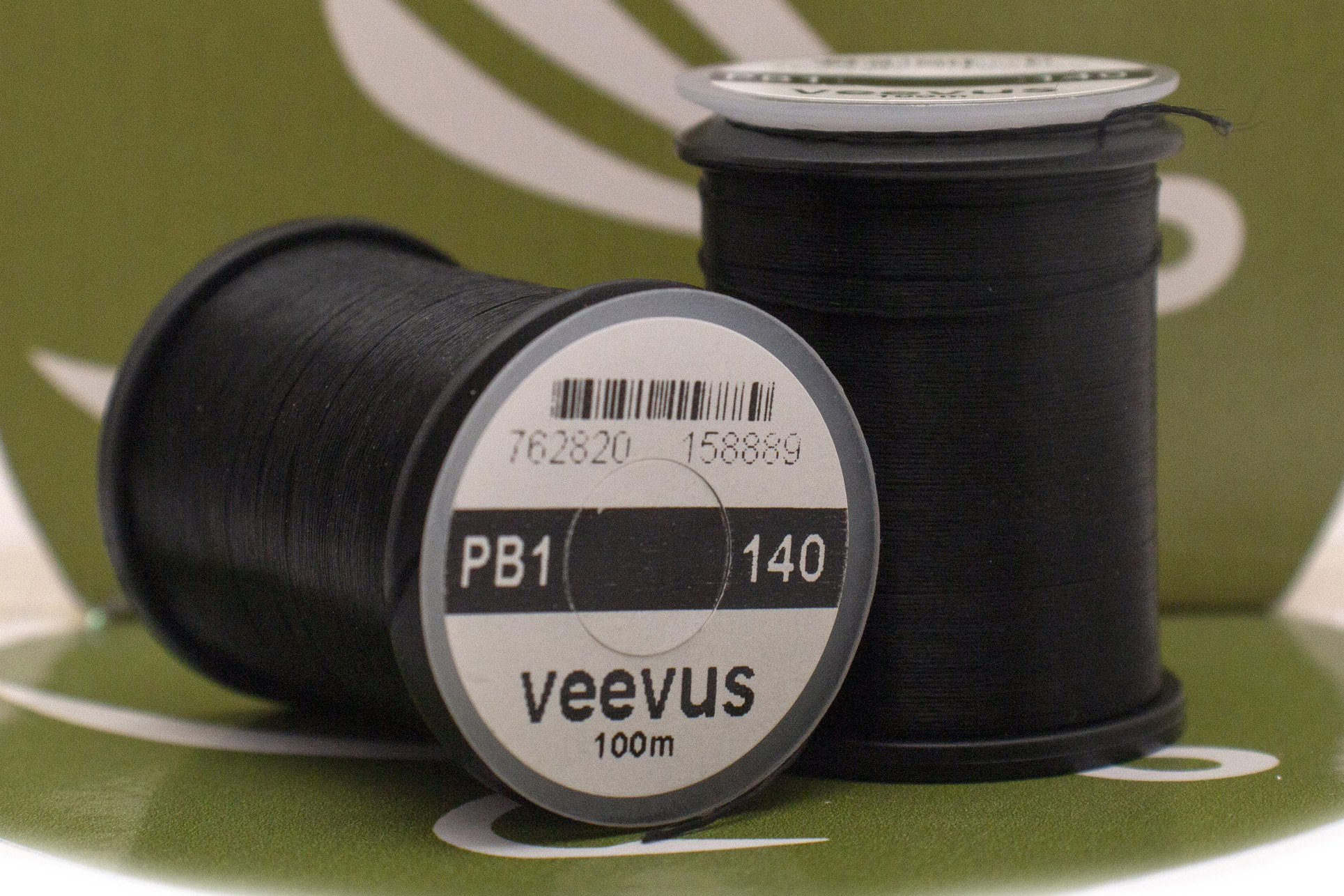
But when we look at another manufacturer, we may find a different relationship between the Aught designation and Denier.
For example, Semperfli offers its 12/0 Classic Waxed Thread with a specification of 70D.
This tells us something very important:
We cannot use 6/0, 8/0, 10/0 or 12/0 as a universal converter to Denier.
Aught vs. Denier
This is where we can connect this article with the previous one.
| System | What does it indicate? |
|---|---|
| Aught – 6/0, 8/0, 10/0, 12/0 | A relative designation of thread fineness |
| Denier – 70D, 100D, 140D, etc. | The linear density of the material |
Therefore:
Aught helps us understand the relative fineness of the thread.
Denier gives us a quantitative specification of the material.
Both are useful, but they should not be treated as the same thing.
If you would like to understand in more detail what Denier measures, see:
What Does Denier Mean in Fly Tying Thread?
How Do You Choose Between 6/0, 8/0, 10/0 and 12/0?
When choosing thread, there is no need to memorize a specific hook-size chart.
It is more useful to think about the amount of material and the final size of the fly.
If we are tying a small dry fly and want a slim body and a small head, a finer thread will usually be more appropriate.
If we are tying a larger fly and need to secure more materials, a heavier thread can give us better control and greater strength.
This means the choice is not simply:
“What hook size am I using?”
but rather:
“What do I need this thread to do?”
How much material will I be securing?
How much bulk do I want to build?
How much pressure do I need to apply?
How compact does the fly need to be?
These questions are often more useful than mechanically following a size chart.
Why Isn't 8/0 from One Manufacturer Necessarily the Same as 8/0 from Another?
This is perhaps the most important practical point.
When buying thread, we should not look only at the 8/0 designation.
We should also consider:
- Denier;
- the material;
- the construction;
- the number of strands;
- breaking strength;
- the way the thread spreads;
- the intended use of the particular series.
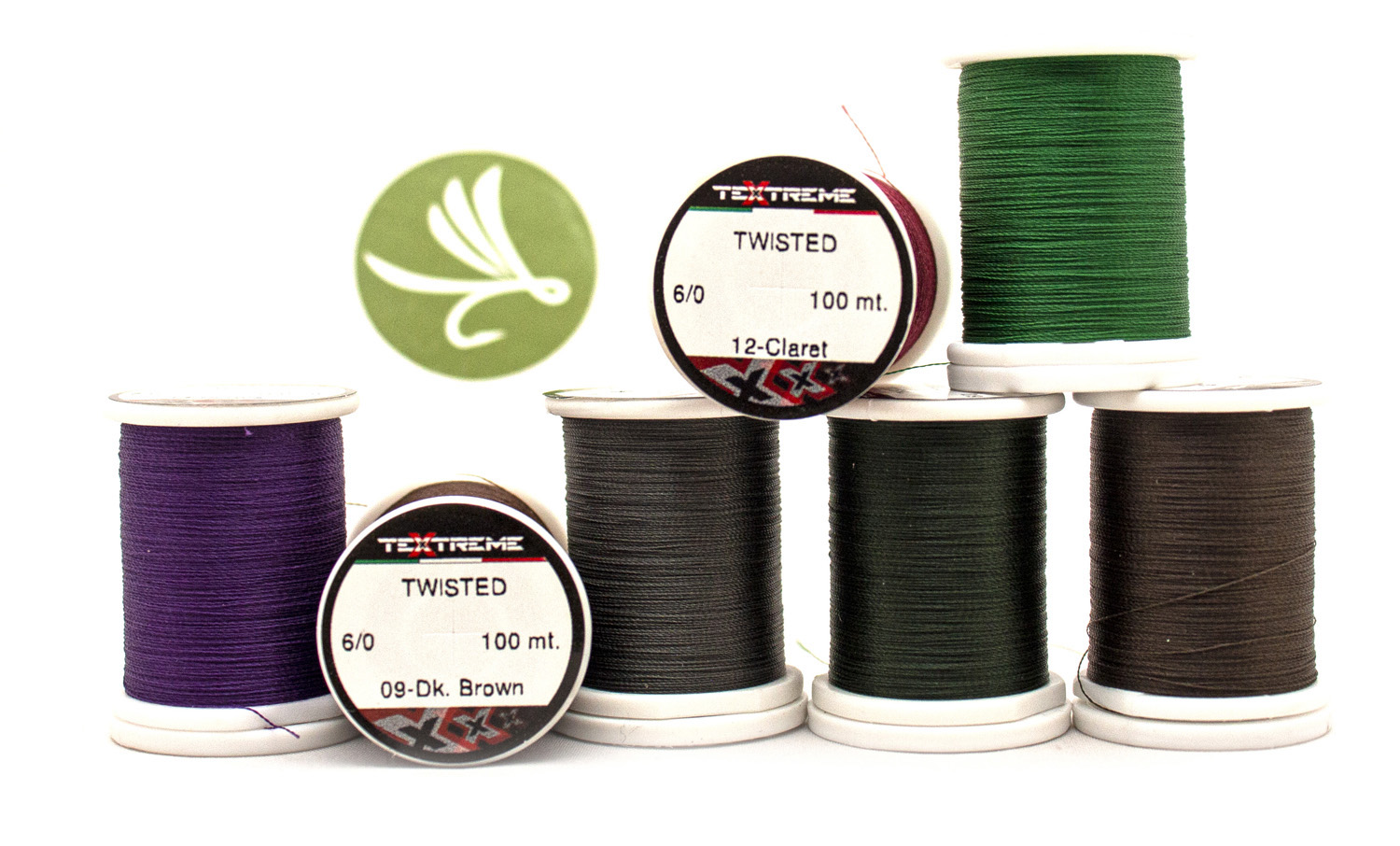
As a result, two threads labeled 8/0 can behave differently when tying.
This is where the combination of the two systems becomes useful.
Aught gives us one piece of information. Denier gives us another. The characteristics of the specific thread tell us how it will actually behave.
See Also
- What Does Denier Mean in Fly Tying Thread?
- Fly Tying Threads – A Comparative Guide
- Denier vs. Aught – How to Compare Fly Tying Threads
Explore the fly tying threads available at FlyFishing.bg and compare different types, thread sizes and constructions.