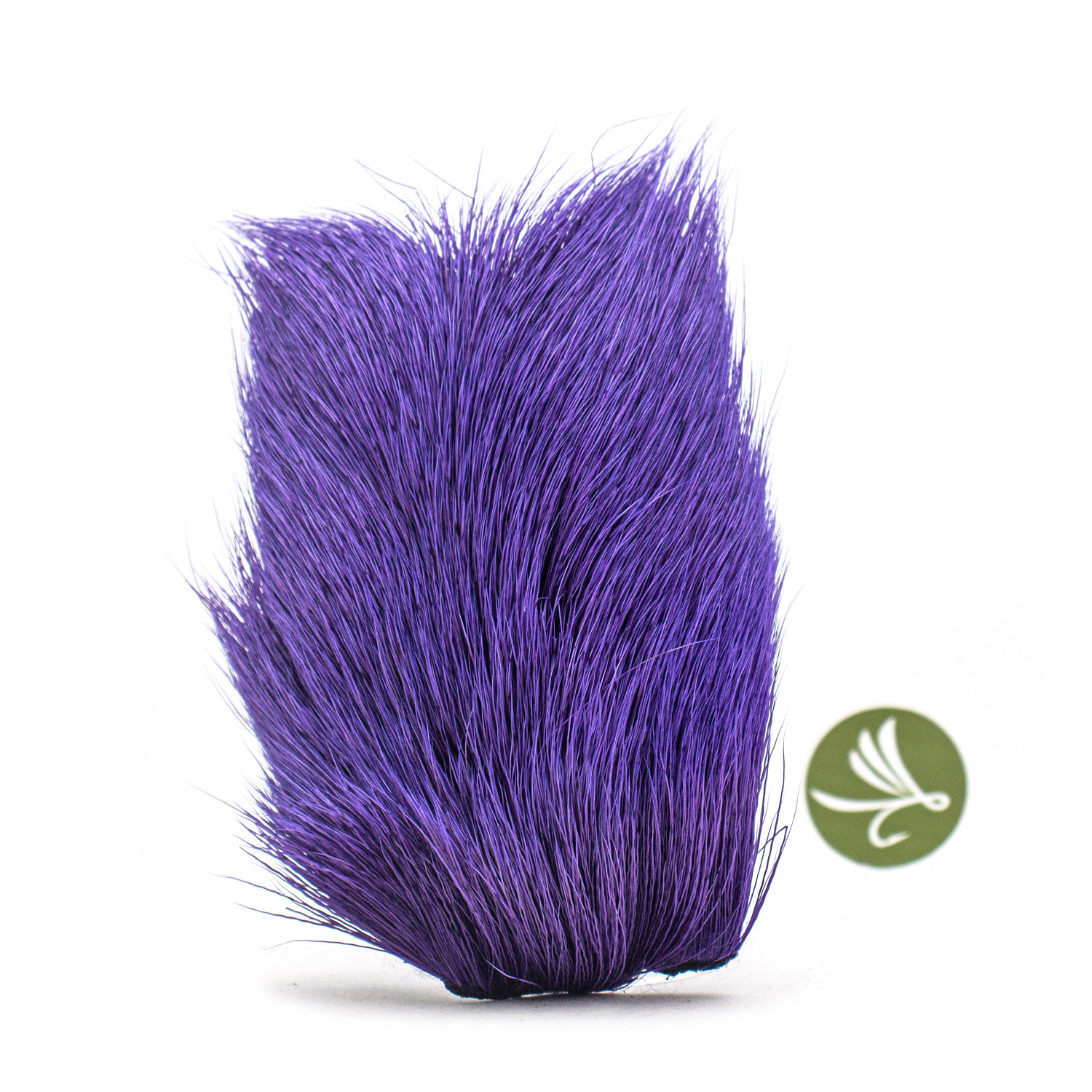
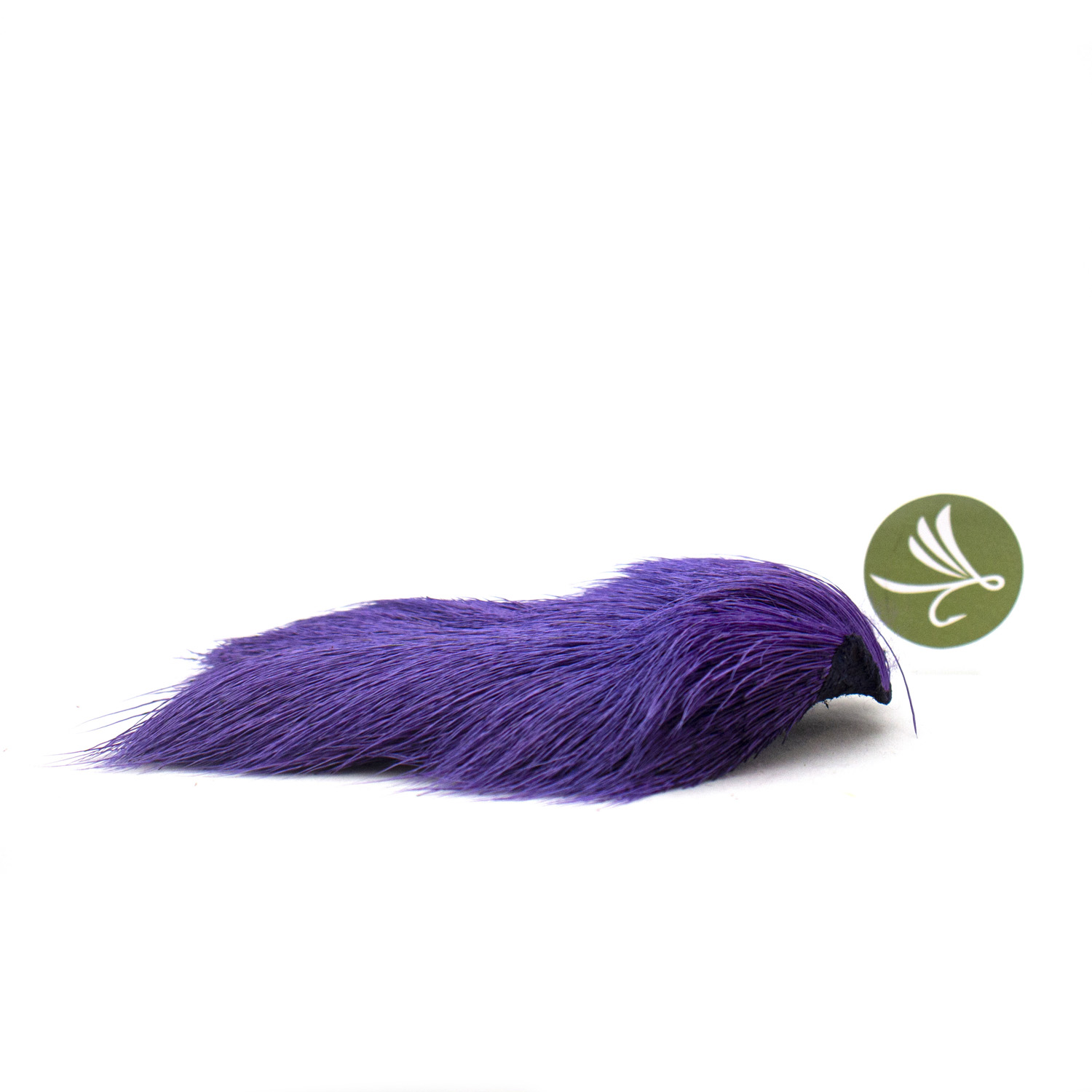
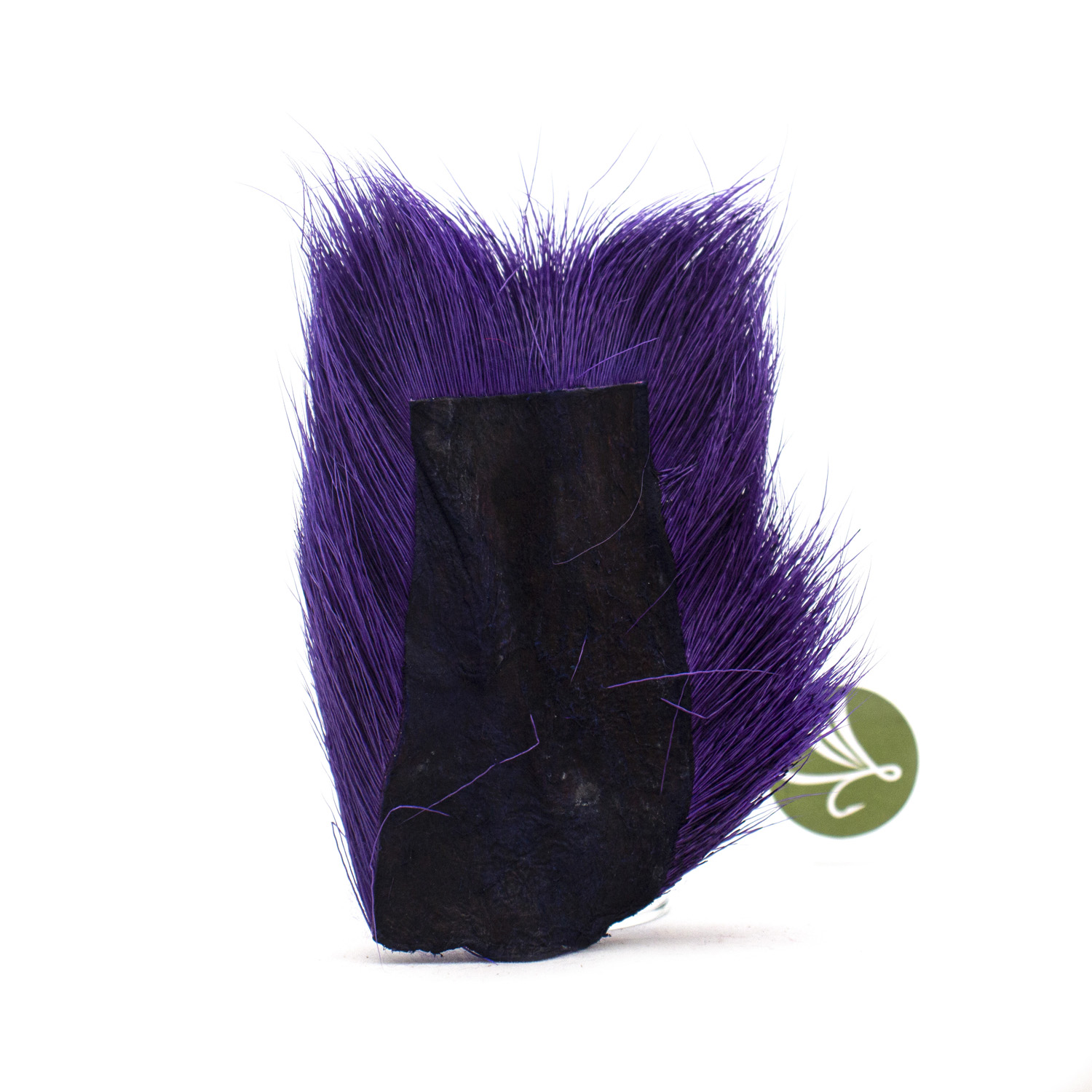
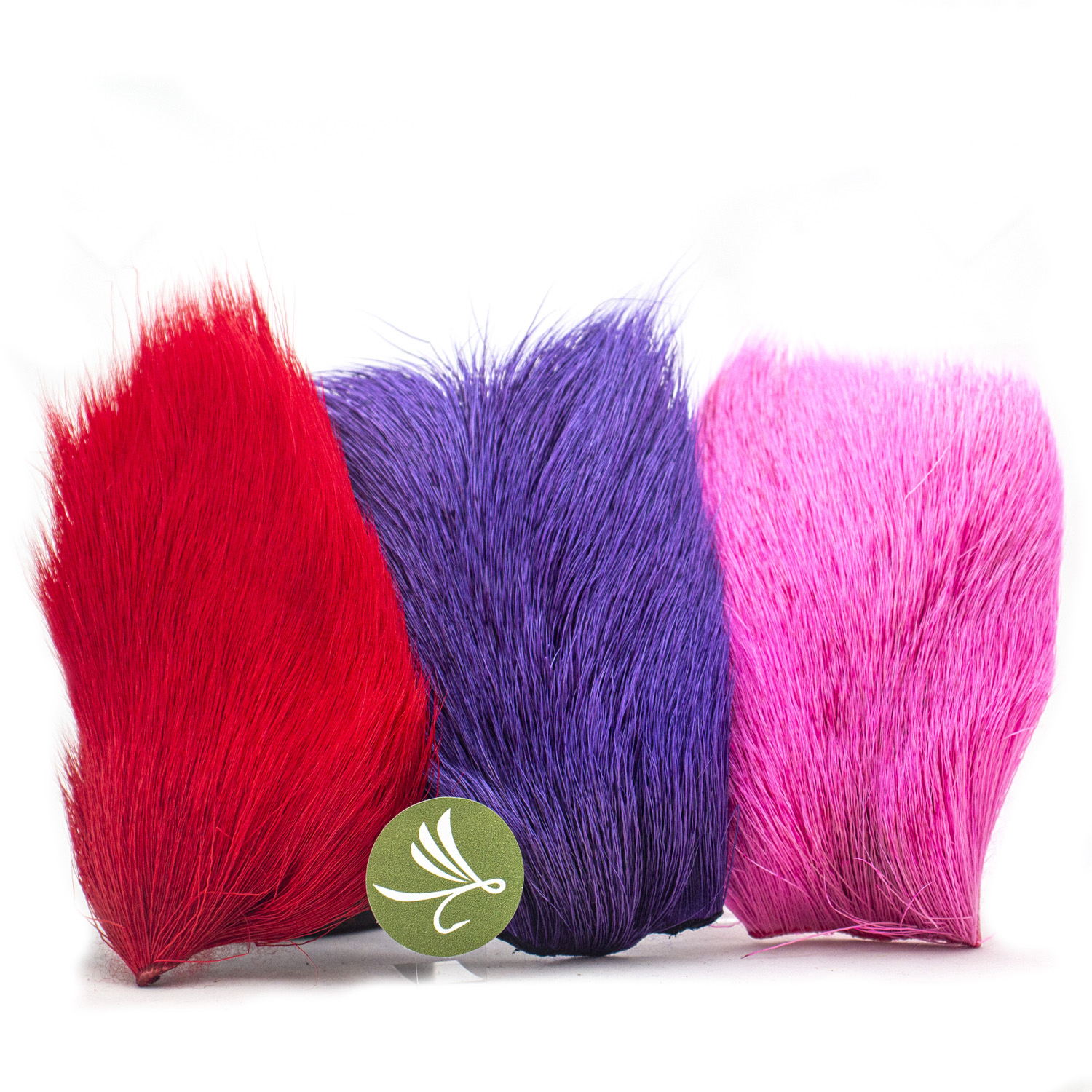
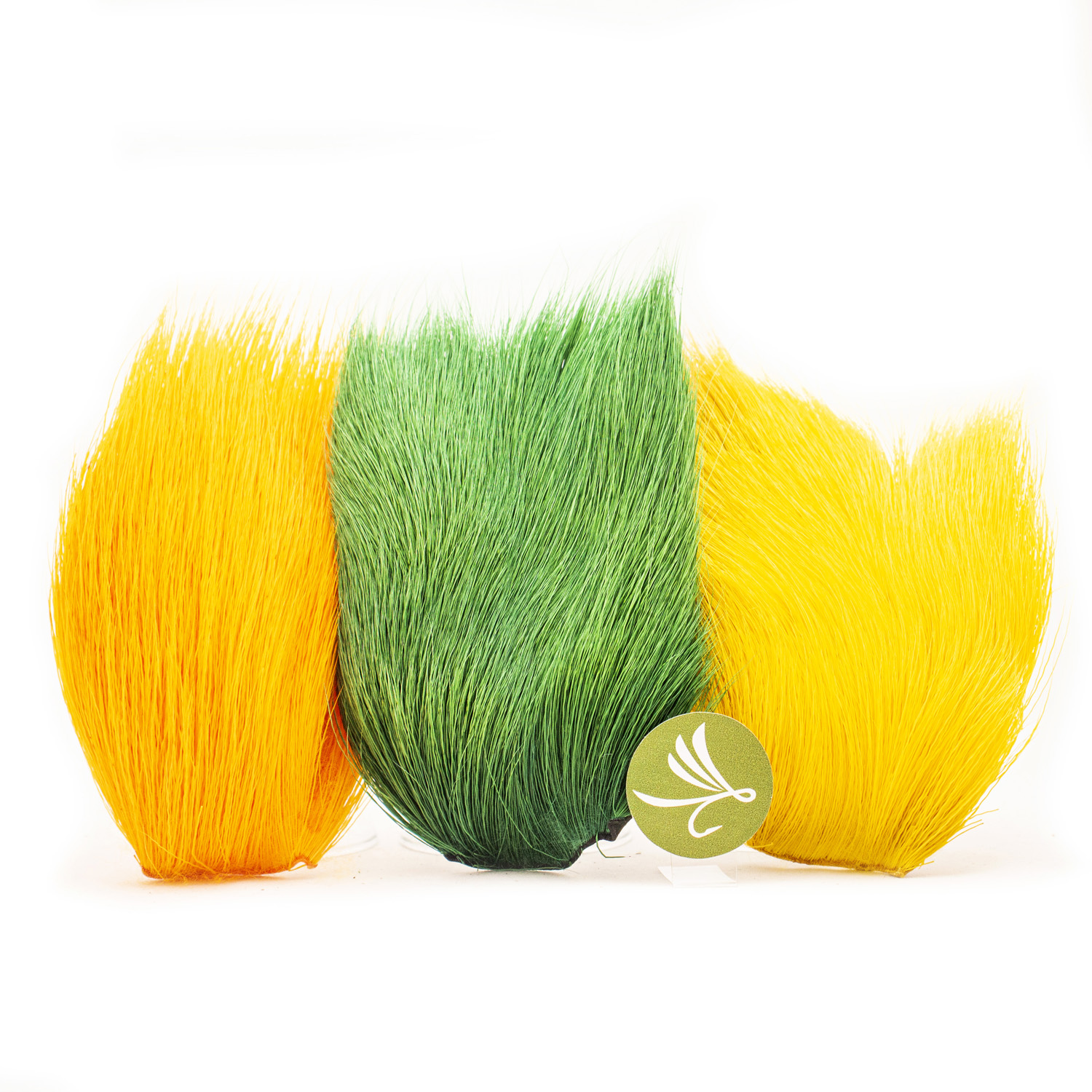
Wapsi Deer Belly Hair
Premium Hollow Deer Hair for Bass Bugs, Muddlers and Spun Deer Hair Flies
Wapsi Deer Belly Hair is premium natural deer hair selected from the belly section of the hide. Compared to standard deer body hair, the fibres are thicker, much more hollow and flare dramatically under thread pressure, making this the preferred material for spinning and stacking techniques used in bass bugs, Dahlberg Divers, Muddler heads and other high-floating deer hair flies.
Because belly hair is naturally white, it accepts dye exceptionally well and is available in a wide range of bright colours. Combined with its outstanding buoyancy and spinning characteristics, it has become one of the classic materials for tying large floating predator flies.
What is Deer Belly Hair?
Unlike hair taken from the back or flanks of a deer, belly hair contains much larger air-filled fibres. When tightened with thread, the fibres compress and flare evenly around the hook shank, creating dense bodies and heads that can later be trimmed into virtually any shape. This unique structure makes Deer Belly Hair the classic material for spun deer hair techniques.
Besides bass bugs and diver patterns, it is widely used for Muddler Minnows, deer hair mice, frogs and many other floating patterns where maximum buoyancy and large, sculpted profiles are essential.
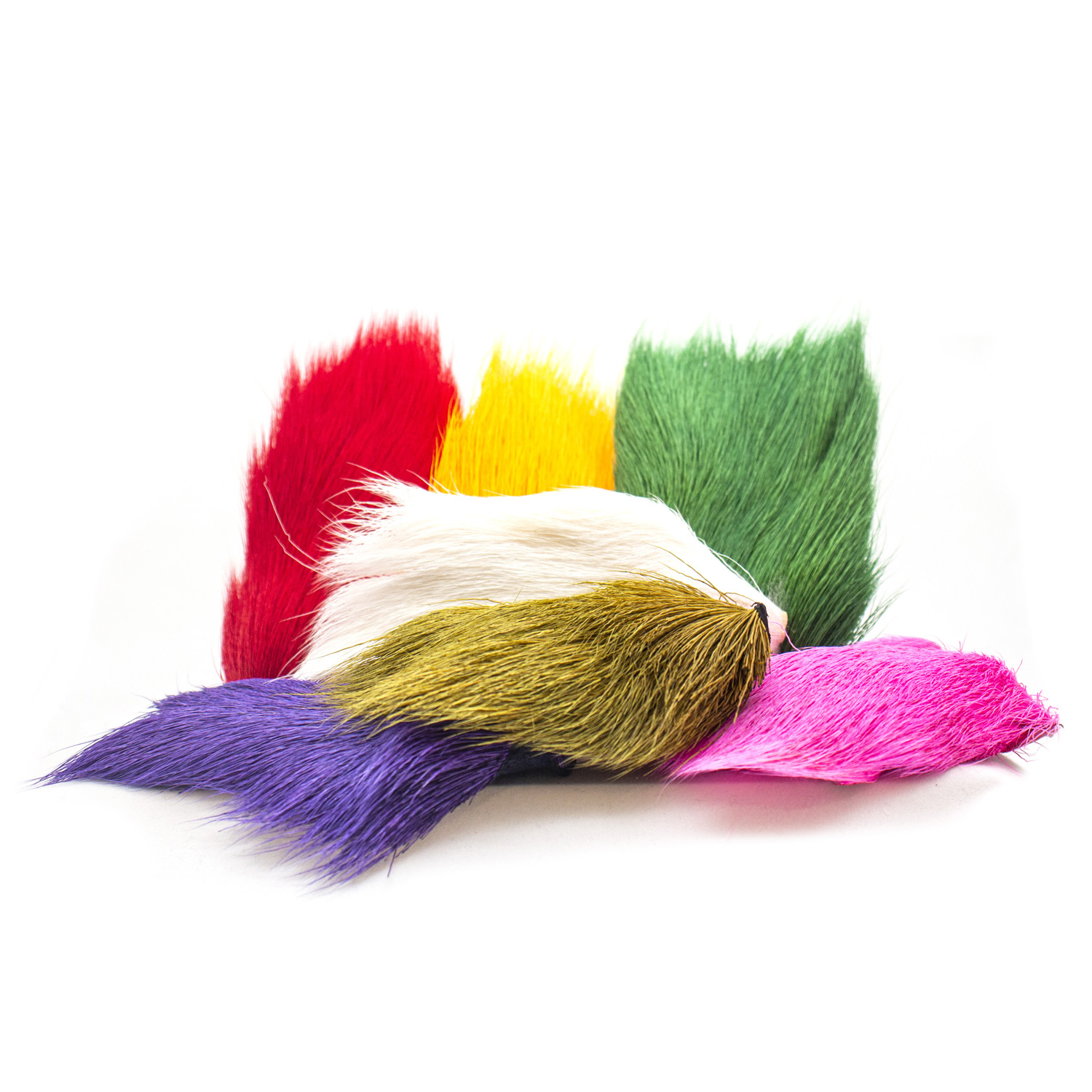
The Wapsi Deer Belly comes in a wide variety of colors to match almost any fly you want to tie.
Why Choose Wapsi Deer Belly Hair?
Maximum Flare
The hollow fibres spread easily to create dense spun deer hair bodies.
Outstanding Buoyancy
Large air-filled fibres help flies float high even after repeated casts.
Perfect for Trimming
Allows precise shaping of bass bugs, diver heads and complex 3D fly bodies.
Brilliant Dyed Colours
Naturally white hair absorbs dye exceptionally well, producing vivid colours.
Professional Wapsi Quality
Carefully selected deer belly hair trusted by fly tyers around the world.
Ideal For
- Bass Bugs
- Dahlberg Diver
- Muddler Minnow
- Spun Deer Hair Bugs
- Mouse Patterns
- Frog Patterns
- Stacking and Spinning Techniques

|
FLYFISHING.BG RECOMMENDATION
This is not an all-purpose deer hair. If you're tying Comparaduns, Deer Hair Caddis or other dry flies with deer hair wings, choose Deer Hair Short/Fine or standard Deer Hair instead. Deer Belly Hair is designed for a completely different job—building dense spun deer hair heads and bodies. Its exceptional flare and buoyancy make it the best choice for bass bugs, Dahlberg Divers and any pattern where volume and flotation are more important than precise wing profiles.
|
Classic Fly Patterns Using Deer Belly Hair
Deer Belly Hair is a cornerstone material for Bass Bugs, Dahlberg Divers, Muddler Minnows, mouse patterns, frogs and countless spun deer hair flies. Once trimmed, it allows fly tyers to create durable three-dimensional heads and bodies that combine exceptional buoyancy with impressive shape retention.
Technical Specifications
| Material |
Natural Deer Hair |
| Type |
Deer Belly Hair |
| Best Suited For |
Spinning, Stacking, Bass Bugs, Diver Heads and Floating Bodies |
| Applications |
Bass Bugs, Dahlberg Diver, Muddler Minnow, Mouse Patterns, Frog Patterns and Other Spun Deer Hair Flies |
| Manufacturer |
Wapsi |
Deer fur is one of the most used materials for tying artificial flies. Necessarily, each binder should have a sufficient set of different types of fur, because they can be hollow and dense, thin and thick, different colors - both naturally different and artificially dyed. Deer fur is used for almost all elements of a fly - tails, bodies, wings, legs, heads ... It is present both in the smallest and fine dry flies and in large trout streamers. Examples include the wings of caddis (Elk Hair Caddis, Roman Moser's Balloon Caddis, Goddart & Henry Caddis), the bodies of some dry flies such as Irresistible Adams, the extended body of Ephemera Danica, the wings of Compara-Dun. It is used as dubbing, for example, with nymphs and gammarus, bodies of grasshoppers, beetles and ants, and it is very effective when their legs are made of broken fur. They make streamers like the classic Muddler Minnow, bodies of all kinds of mice, as well as the deerskin mouse and microporous Morris Mouse.
When working with the fur, it is highly recommended to use strong tying threads, as well as special scissors with a very fine serrated blade, with which cutting the excess fur becomes extremely easy because it does not slide on the blade. The term "Deer Hair" covers more than 30 species of animals from Europe and North America, as well as roe deer, elk, etc. Therefore, the variety is very large and it is complemented by the variants of the parts of the body from which the fur is taken, as well as the time of year when the fur is harvested and the way it is processed. Many books have been published about deer hair and the flies that are tied from it (For example - "Deer Hair Fly Tying Guidebook") and this is a whole universe in fly tying.