

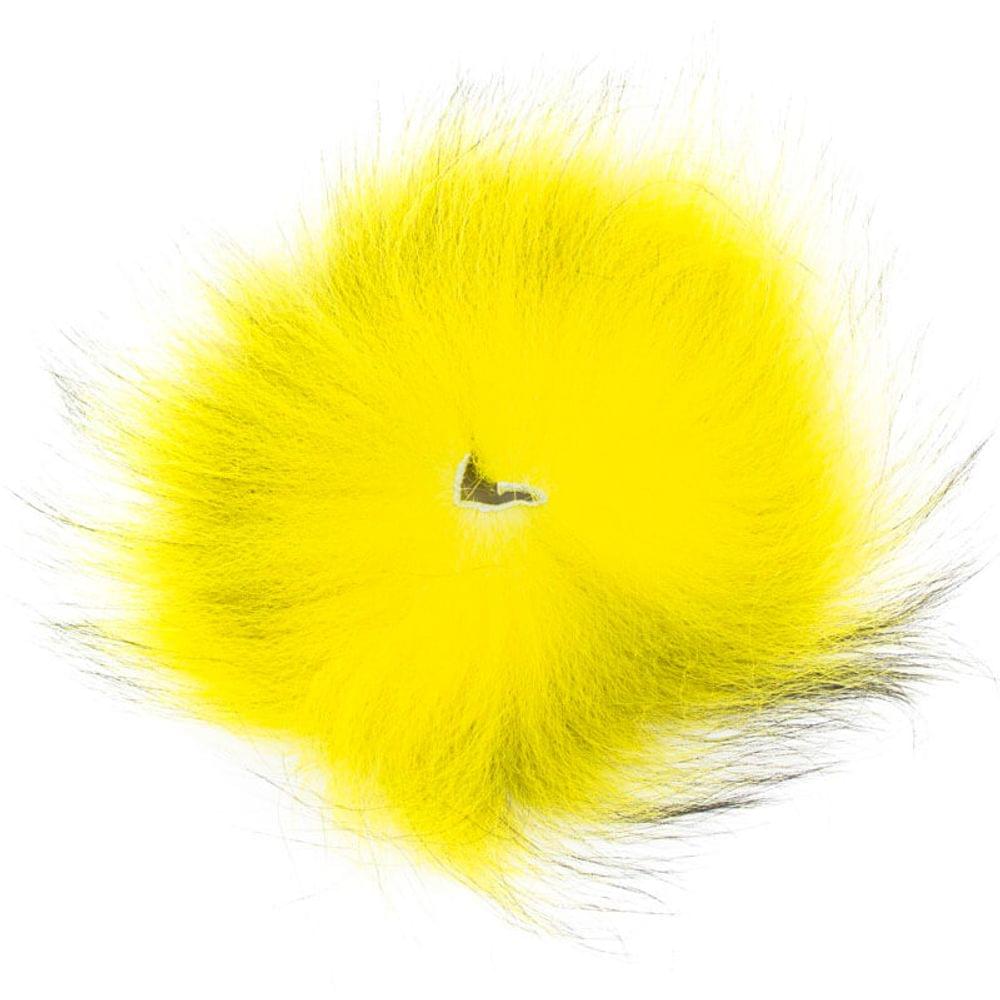
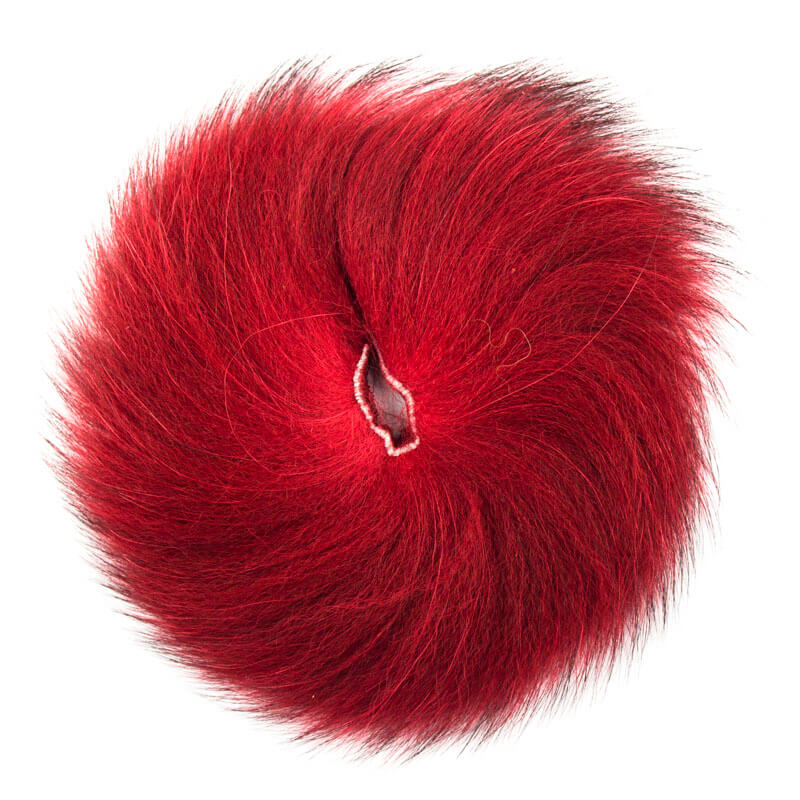
Arctic Mutation Fox Tail
Natural Arctic Fox Tail for Streamers, Hair Wing, Salmon and Steelhead Flies
Arctic Mutation Fox Tail is a premium natural Arctic Fox tail featuring long, soft and exceptionally mobile fibres. It is one of the most popular natural materials for tying Hair Wing streamers, Tube Flies, Salmon, Steelhead and Saltwater patterns because the fibres pulse and breathe with even the slightest movement of the current or fly line, creating an incredibly lifelike appearance underwater.
Mutation Fox represents the natural summer colour phase of the Arctic Fox, displaying beautiful shades of brown, grey and cream. Besides its attractive natural coloration, the fibres offer an excellent balance between softness and resilience, producing full, flowing wings without adding unnecessary bulk or weight to the fly.
What is Arctic Mutation Fox Tail?
Arctic Mutation Fox Tail is a complete natural fox tail containing fibres of various lengths, allowing fly tyers to create everything from compact trout streamers to large predator patterns. The long guard hairs provide elegant taper and profile, while the soft underfur adds natural volume and movement.
After removing the underfur, it can also be used as a natural dubbing material, making the tail an exceptionally versatile fly tying material.
Why Choose Arctic Mutation Fox Tail?
Exceptional Natural Movement
The fibres come alive with the slightest current or retrieve.
Long, Soft Fibres
Perfect for creating elegant wings, tails and flowing streamer profiles.
Low Water Absorption
Large flies remain surprisingly lightweight and comfortable to cast.
Beautiful Natural Colouration
The unique summer colours are ideal for realistic baitfish and natural predator patterns.
Extremely Versatile
Suitable for freshwater, Salmon, Steelhead and Saltwater flies.
Ideal For
- Hair Wing Streamers
- Pike Streamers
- Tube Flies
- Salmon Flies
- Steelhead Flies
- Saltwater Streamers
- Large Trout Streamers

|
FLYFISHING.BG RECOMMENDATIONCompared with Bucktail, Arctic Mutation Fox produces dramatically more movement and a much more lifelike swimming action, while Bucktail excels at maintaining a slim, stable profile. Compared with Snowrunner / Nayat, Mutation Fox has shorter fibres and creates a more compact silhouette, making it an excellent choice for medium-sized streamers, Hair Wing flies and Tube Fly patterns. If your priority is natural movement without excessive bulk, Arctic Mutation Fox is one of the finest natural materials available. |
Classic Applications of Arctic Mutation Fox Tail
Arctic Mutation Fox is widely used for wings, tails, collars and underwings on Hair Wing streamers, Salmon flies, Steelhead patterns, Tube Flies and Saltwater streamers. The soft underfur can also be removed and blended into natural dubbing for nymphs, wet flies and streamer collars.
Technical Specifications
| Material | Natural Arctic Mutation Fox Tail |
| Type | Natural Fox Tail |
| Structure | Long, soft and highly mobile natural fibres |
| Main Uses | Wings, tails, collars and underwings |
| Best Suited For | Streamers, Hair Wing Flies, Tube Flies, Salmon, Steelhead and Saltwater Patterns |
| Manufacturer | Arctic Fisherman |