


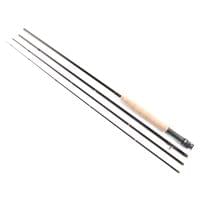
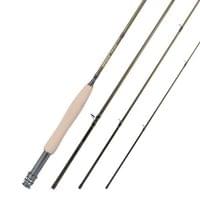
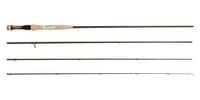
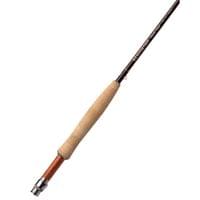
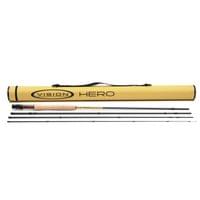
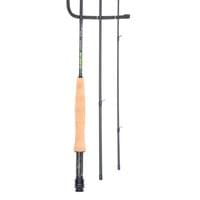
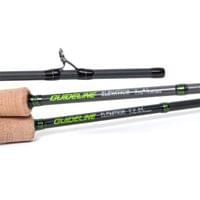
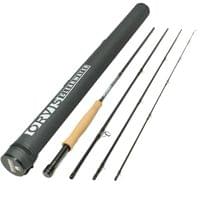
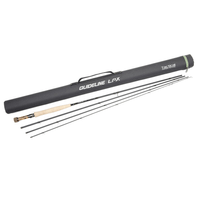
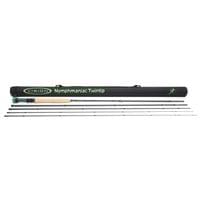
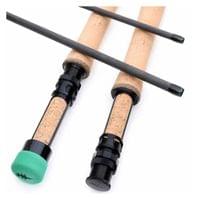
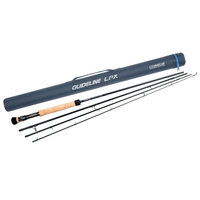
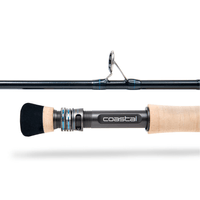

Choosing a fly rod is by no means easy. We will tentatively divide the fishing rods with artificial fly and line according to the different specifications and principles, but in reality the choice is very subjective.
Weight of the fly rods
here the principle applies that the smaller the flies, rivers and fish and the thinner the tippets - the lower class and vice versa - for the big streamers, big rivers and fish - high class. Most standard fly rods are in the 2nd to 12th grade range, but of course there are exceptions outside of this range. Typically, small to medium size trout in small mountain streams use class 3 to 5 rods, larger trout or mullet in larger rivers use class 5-6, which you can now cast and streamers, 6-7 class rods are used for trout in closed ponds, for fishing other predatory fish with streamers, flies are already from 5th to 10th class, and for large saltwater fish, rods from 8th to 12th class
Fly rod length
generally similar principles apply here - on small rivers shorter rods are used - usually 7'6" - 8'6", for medium and larger rivers 8' - 9', for euronymphing the flies are around 10' - 11' long, slightly longer than average rods are also used for lakes - 9'6”, with two handed fly rods the sizes are now between 11' and 15'. These limits are naturally very conditional and it is normal to have many flies outside them. Longer rods allow for easier casts such as roll-cast, switch-casts and variations, all kinds of mending, as well as nymph fishing, but shorter rods have an advantage when casting in small and noisy rivers and in wind. Naturally, the weight of the long rods in the same class is greater than the shorter rods.
Action
This is a term that usually refers to the speed at which the line recovers after being bent. They are conventionally divided into "fast", "medium" and "slow". Fast rods are easier for beginners and "forgiving" of casting mistakes, better for use over long distances and in wind, give high line speed and turn long leaders easily. Narrow bags are obtained with ease. With slow flies, it is already cast with peace of mind, they offer superior control of the bags, incredible pleasure is obtained both when casting and when retrieving the fish. Slow rods fight fish much better and allow for safer work with very thin tippets. Naturally, the most popular and used rods are those with a medium to fast action, which combine the qualities of both fast and somewhat slow fly rods.
Number of blanks
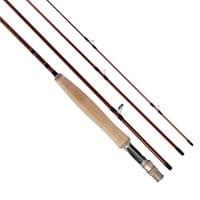
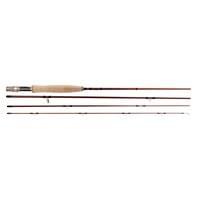
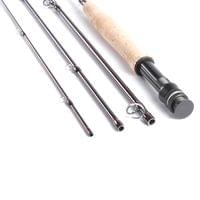
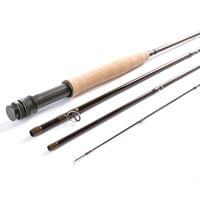
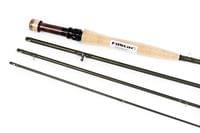
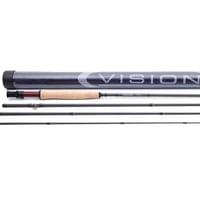
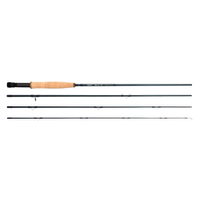
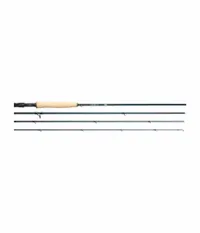
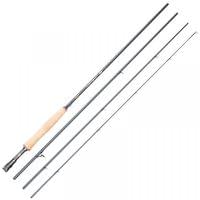
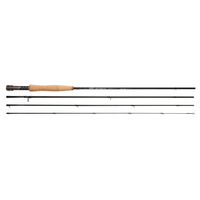
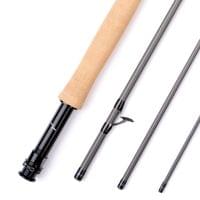
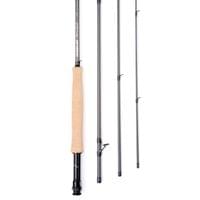
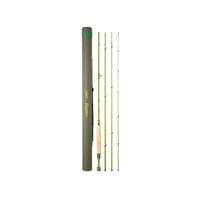
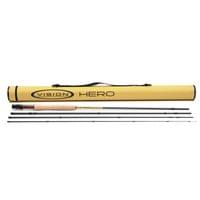
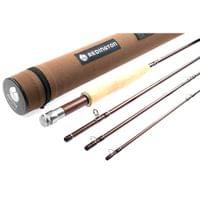
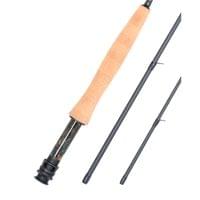
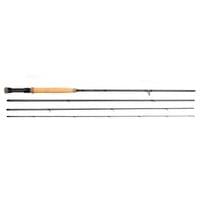
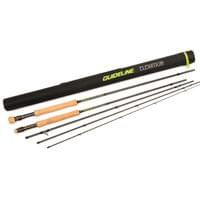
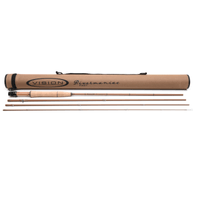
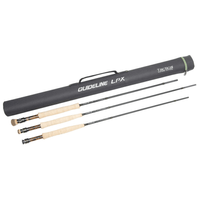
at this moment, almost all fly rods on the market are 4-legged, but of course there are also 2- and 3-part ones - usually for glass and bamboo.
Application
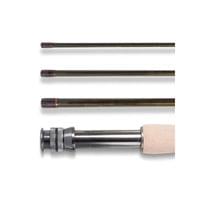
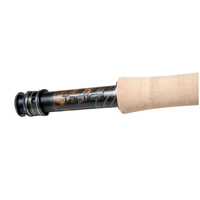
freshwater or saltwater fly rods - the difference is in the hardware used in the build - for sea, stainless materials are used for the reel seat and guides.
Price and quality
in the general case these are interconnected things, of course in the higher class there is also a lot of marketing, but the good brands offer good and accordingly more expensive rods.
Warranties and service
many of the rods have a certain warranty, and some of them a lifetime, with other brands, spare knees are maintained at good prices for all models, rarely some brands do not offer service and warranty.
In any case, there are no universal flies, and usually in the arsenal of a fly and line angler there are at least a few different ones.