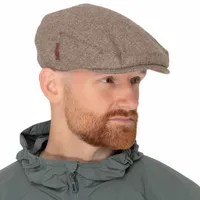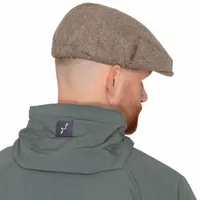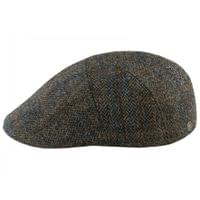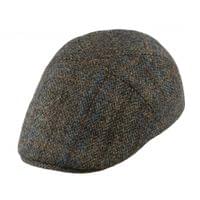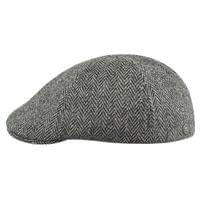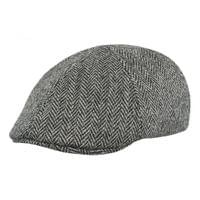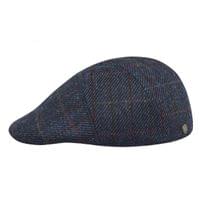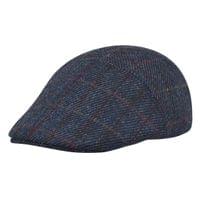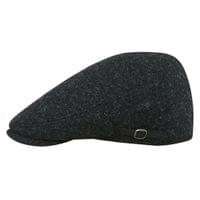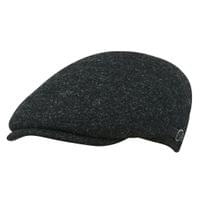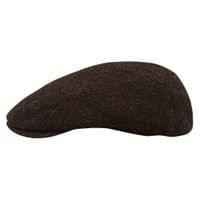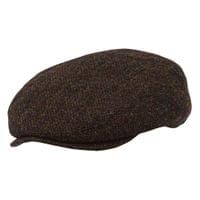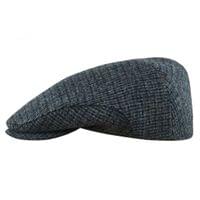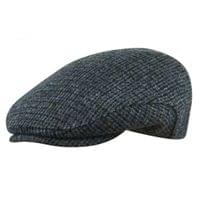

Harris Tweed Caps by Sterkowski
Harris Tweed
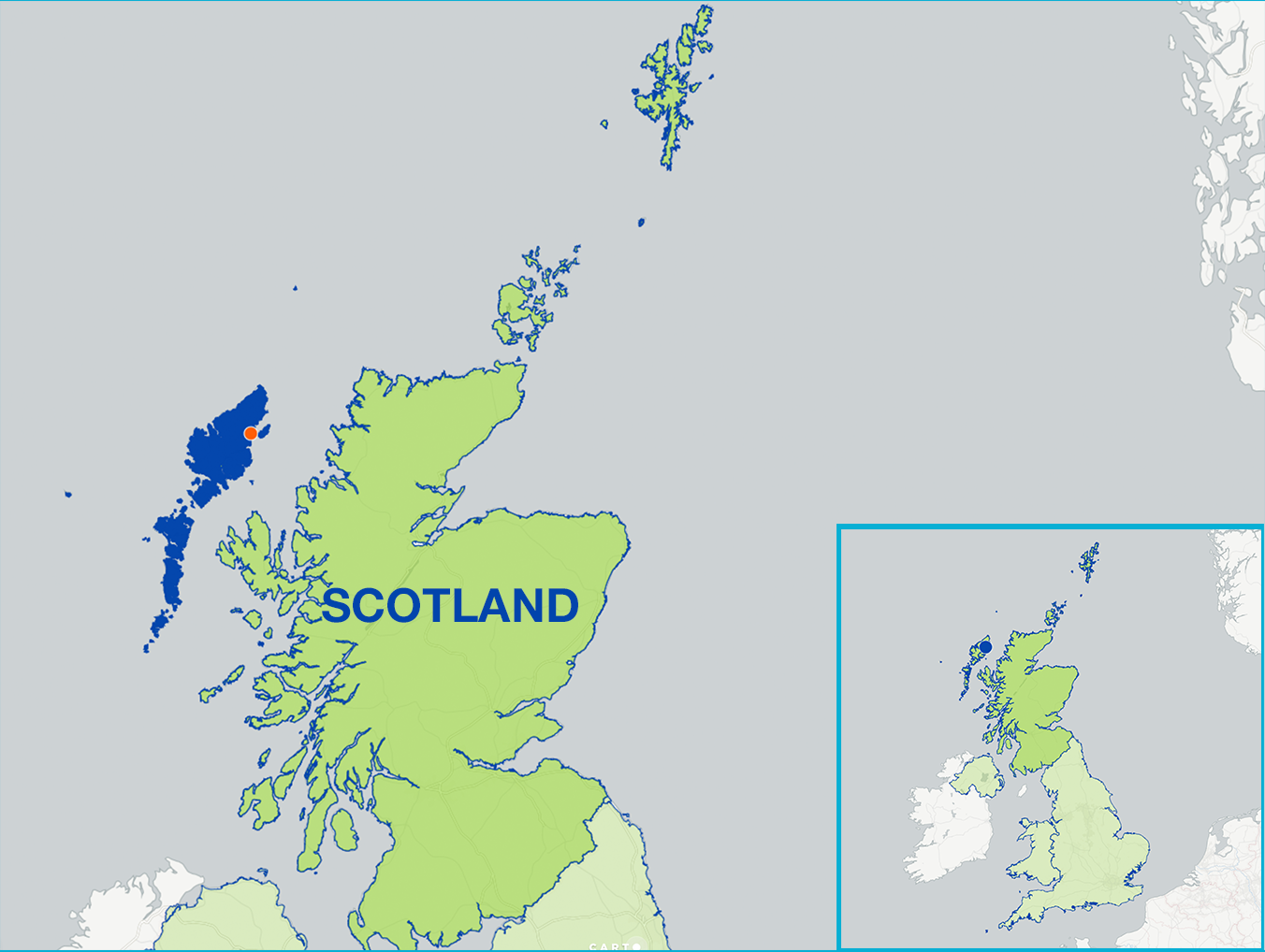
In the most north-western part of Scotland lies a long, rugged and barren archipelago called the Outer Hebrides. It is formed by the islands of Lewis and Harris, the Uists, Benbecula and Barra. On the largest and northernmost of them - Lewis and Harris are the three Harris Tweed factories - Kenneth Mackenzie Ltd, Carloway Mill and Harris Tweed Hebrides.
These islands are home to every Harris Tweed weaver, dyer, blender, spinner, finisher and cloth inspector. No part of the process takes place elsewhere. As such, the land and the people are woven into the very fabric of the cloth, reflecting the colors of the landscapes, the beauty of the Scottish vistas and the values of the Icelanders.
From the remote islands of the Outer Hebrides, Harris Tweed fabric is exported to over 50 countries. From the traditional markets of Europe, North America and the Far East to the emerging nations of Brazil, Russia, India and China, fabric finds its way to every corner of the planet.
The original name of the tweed fabric is "twill", the Scottish word for the textile herringbone pattern. There are a number of theories as to how and why the 'twill' was renamed 'tweed' - in one, a London merchant in 1830, after receiving a letter from the Hawick firm inquiring about 'tweels', mistook the spelling for a trade name taken from the river Tweed, which flows through Scotland (one of the best rivers for salmon fly fishing). The goods were subsequently advertised as 'tweed', a name which is still used today.
The process
The wool for Harris Tweed is obtained from two Scottish breeds of sheep raised on the islands. After being sheared, the wool is washed in soft peat water before being delivered in large bales to the mills of the three tweed manufacturers, where it is then dyed in a wide variety of blending colors (dyes derived from native plants and lichens).
Harris Tweed is truly dyed in the wool, meaning the wool is dyed before it is spun, as opposed to dyeing other yarns. This means that waves of different colors mix to create a myriad of complex shades. One thread can contain up to 21 shades.
Dyed waves are weighed in predetermined proportions and thoroughly mixed to precise recipes to produce the perfect hue. They are then carded between mechanical toothed rollers that break up and mix the fibers before they are separated into a fragile yarn. The soft yarn is spun to give it maximum strength for weaving. The spun yarn is wound onto bobbins to provide the ingredients for the loom
After that, the already thousands of threads gathered into long threads in a certain order are delivered to the weavers at their homes. All Harris Tweed is woven on looms in islanders' homes, not mills. The warp and weft yarns arrive from the mill. The weaver then sets to work, tying the new yarns by hand to the tails of the previous weaving to facilitate threading the loom. Harris Tweed is characterized by a tight, bias weave. The most common pattern is herringbone
The tweed is returned to the mill again, and here it passes through the nimble hands of experienced, sharp eyes, who correct even the smallest defects. Dirt, oil and other impurities are removed by washing and scouring in baking soda and soapy water before being dried, steamed, pressed and cut to perfect, flawless condition
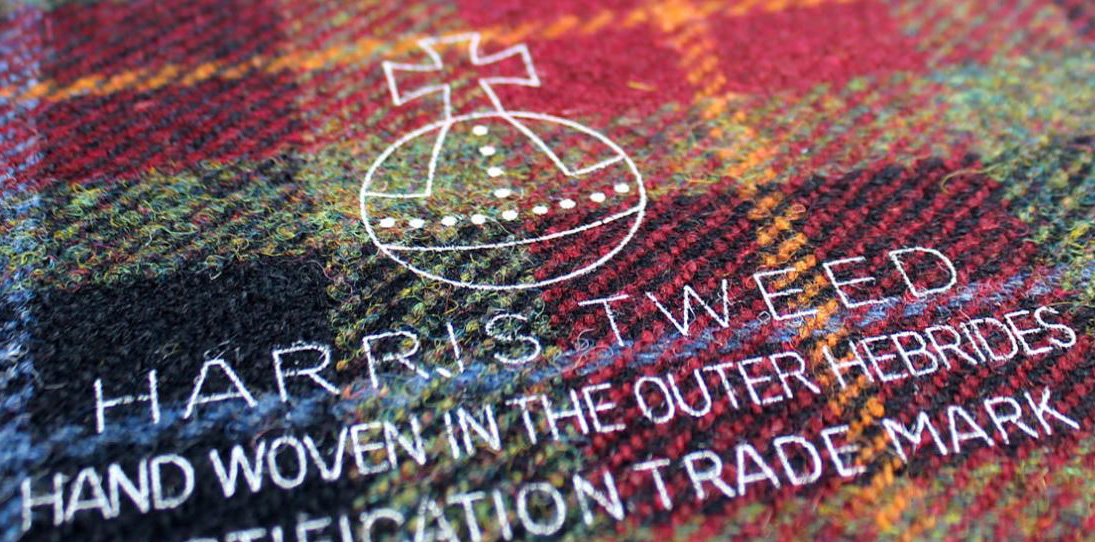
The final stage of the process is the inspection by the independent inspector of the Harris Tweed Authority, who, when satisfied that the fabric meets the standards, applies the famous Orb certification mark, which is ironed onto the reverse side of the fabric. This is the ultimate seal of authenticity.
Authenticity
Harris Tweed is the only material in the world that has been protected by an Act of Parliament since 1993, the Act of Parliament 1993 established the Harris Tweed Authority with new statutes to replace the Harris Tweed Association originally established in 1909.
By law, Harris Tweed fabric must be produced 100% according to traditional, timeless principles: "Handwoven by the islanders at their homes in the Outer Hebrides, finished in the Outer Hebrides and made from pure virgin wool, dyed and spun in the Outer Hebrides .”
The law ensures that all fabrics certified with the Harris Tweed Orb symbol meet this definition. Through meticulous control methods, each meter of Harris Tweed fabric has its own identification number that allows the weaver to be traced. This ensures that we know who made the material for the particular collection, when and under what conditions. Today, every 50 meters of Harris Tweed is inspected by an inspector from the Harris Tweed Authority before being hand-stamped with the Orb Mark.
This legislation - along with the work of the Harris Tweed Authority - allows the name, quality and reputation of Harris Tweed to be preserved.
The Harris Tweed Authority Board is made up of volunteers who understand the vital role the Harris Tweed Authority plays in protecting the Harris Tweed industry as a sustainable part of the local economy.
Learn more about Harris Tweed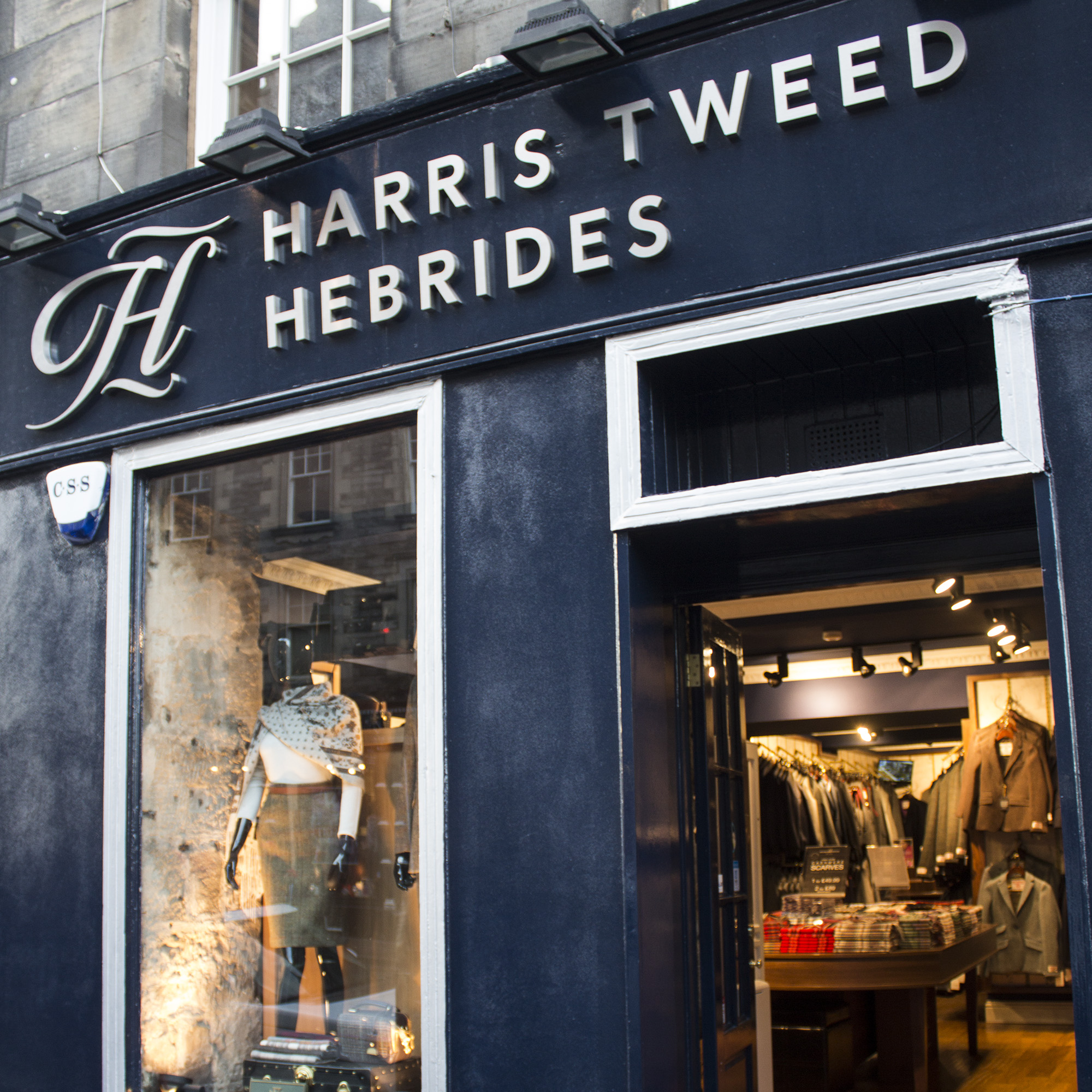
Sterkowski
Sterkowski is a Polish family company that has been in existence since 1926. It is currently staffed by the third and fourth generations dedicated to this craft.
They do not mass produce. Much of their products are sold in very small lots or to order. They have been faithful to traditional handcrafting techniques for hats for 95 years. They are a workshop and intend to remain so, and that is their choice. Therefore, we are honored to be approved to be their partner.
They carefully select the materials for their hats. Hats should offer above-average comfort, provide ergonomics and be comfortable on the head. That's why they use materials such as pure wool, cotton, natural linen, natural leather and Harris Tweed, the collection we present in our online fly shop.
The official website of Sterkowski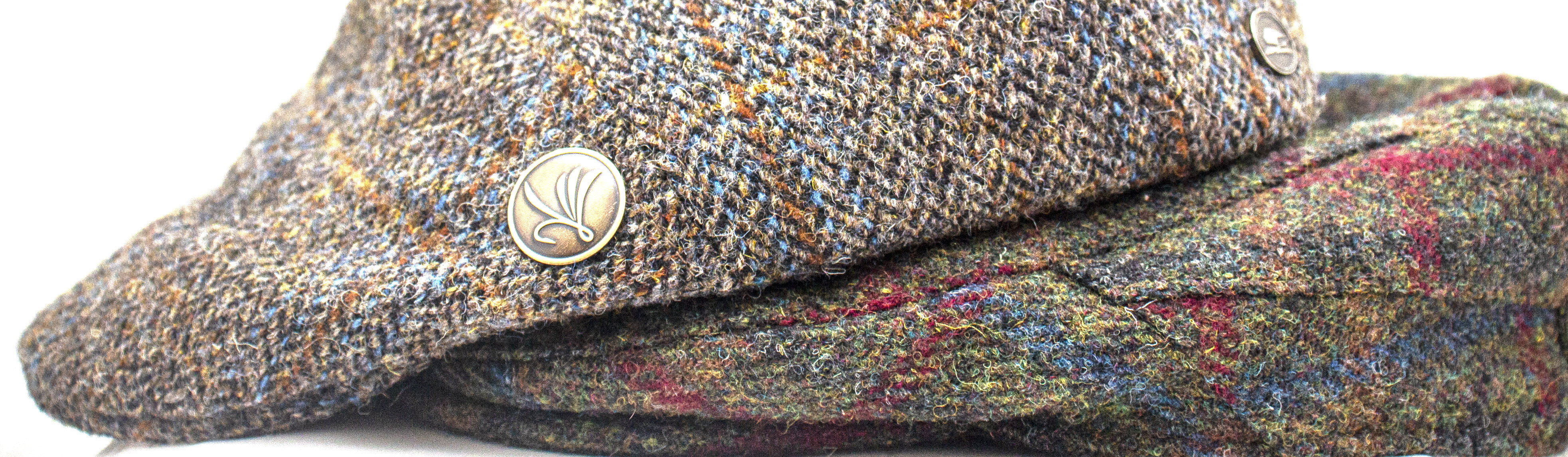
Fly Fishing BG
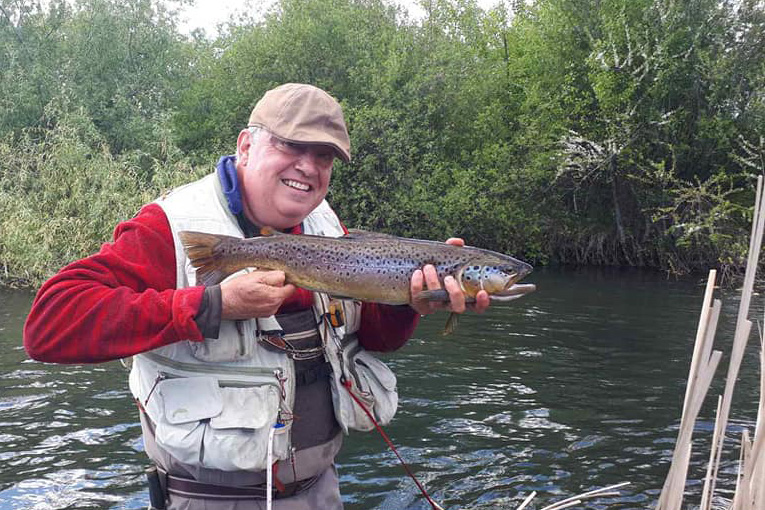
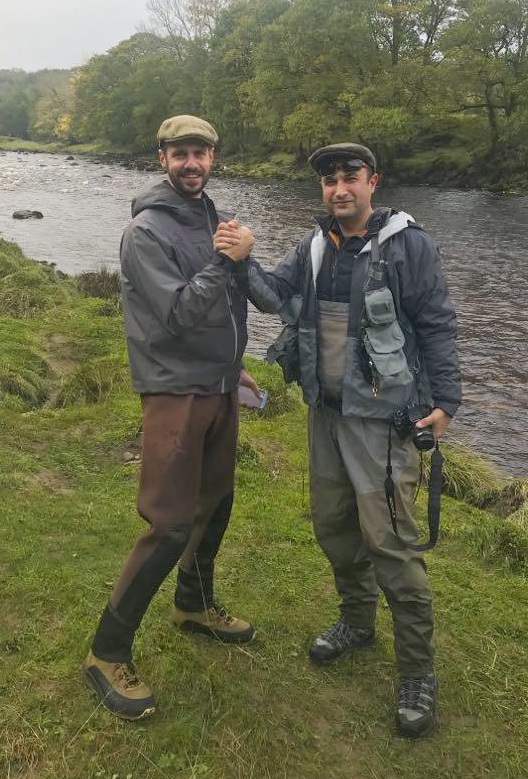
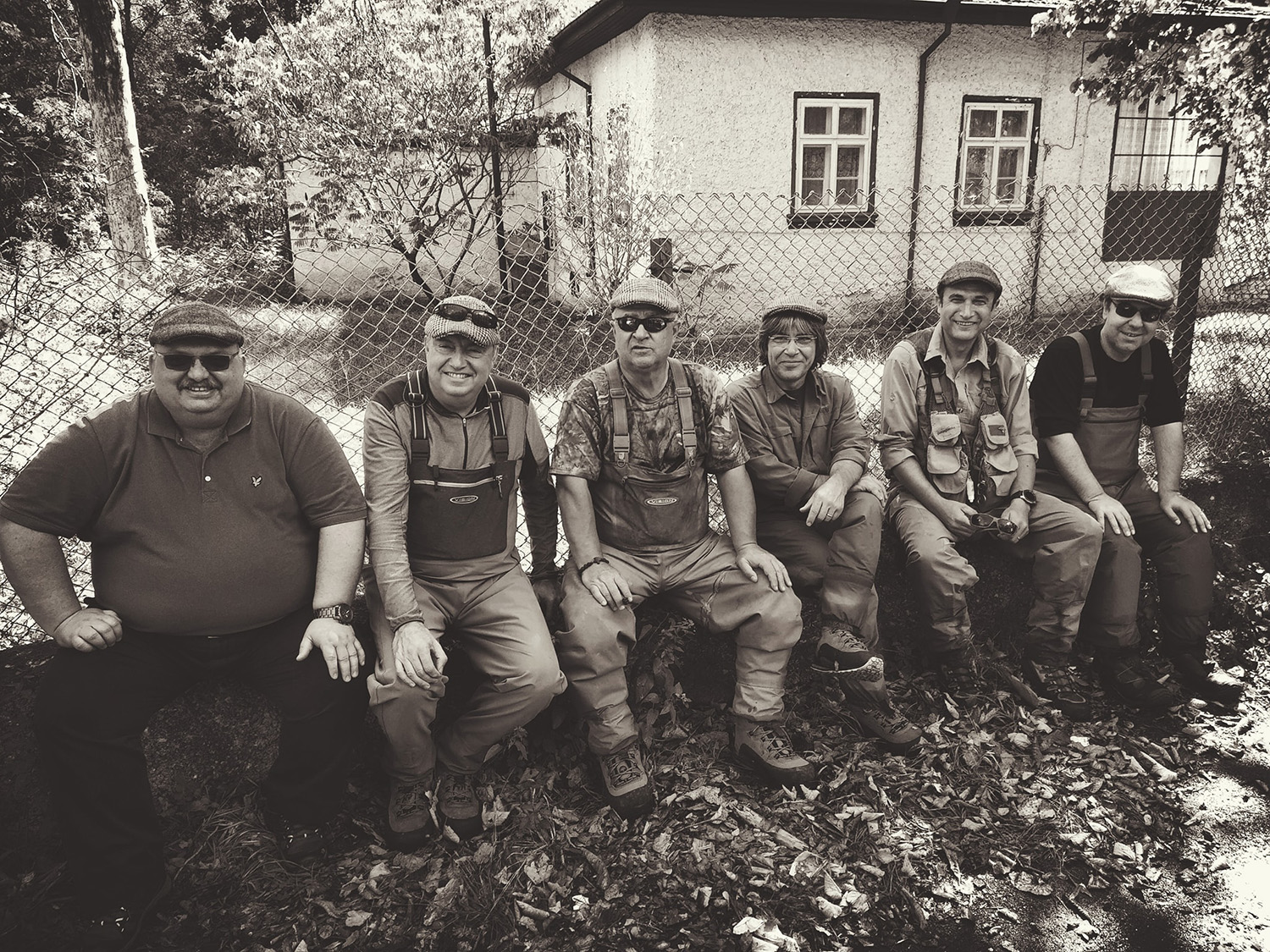
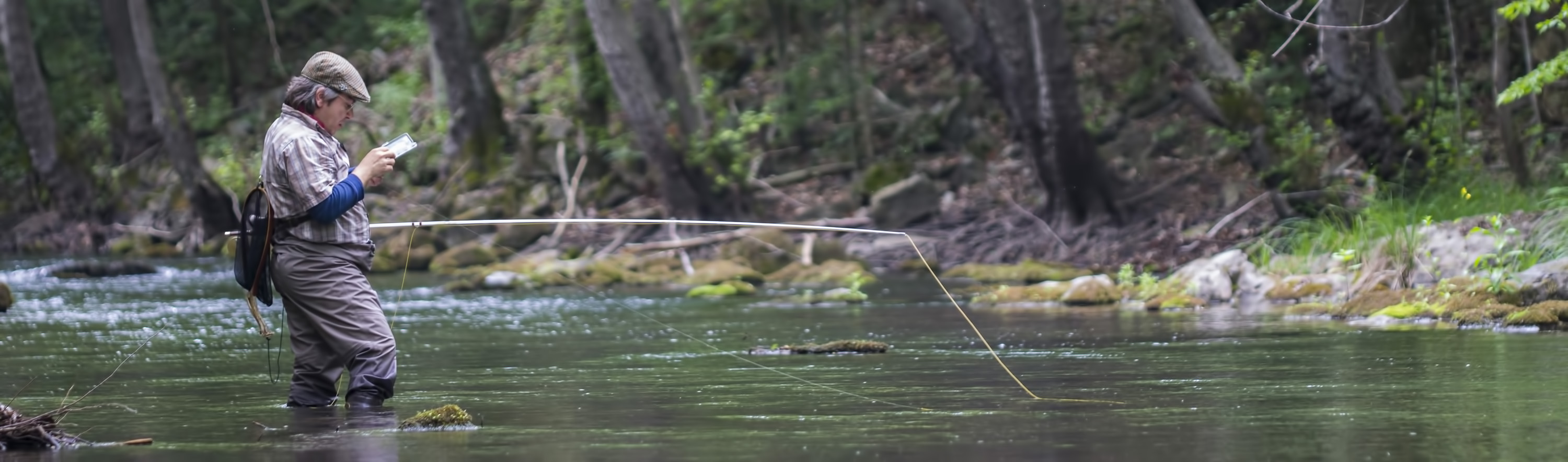
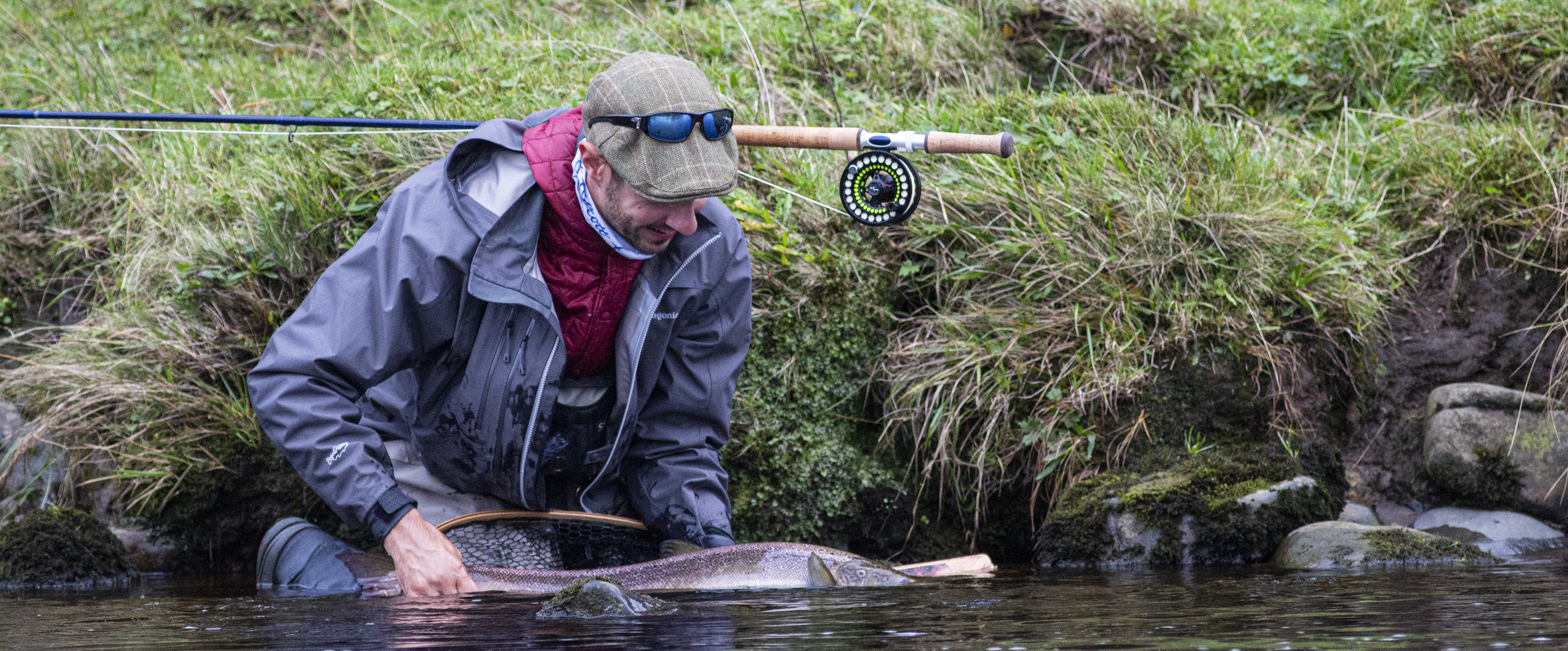
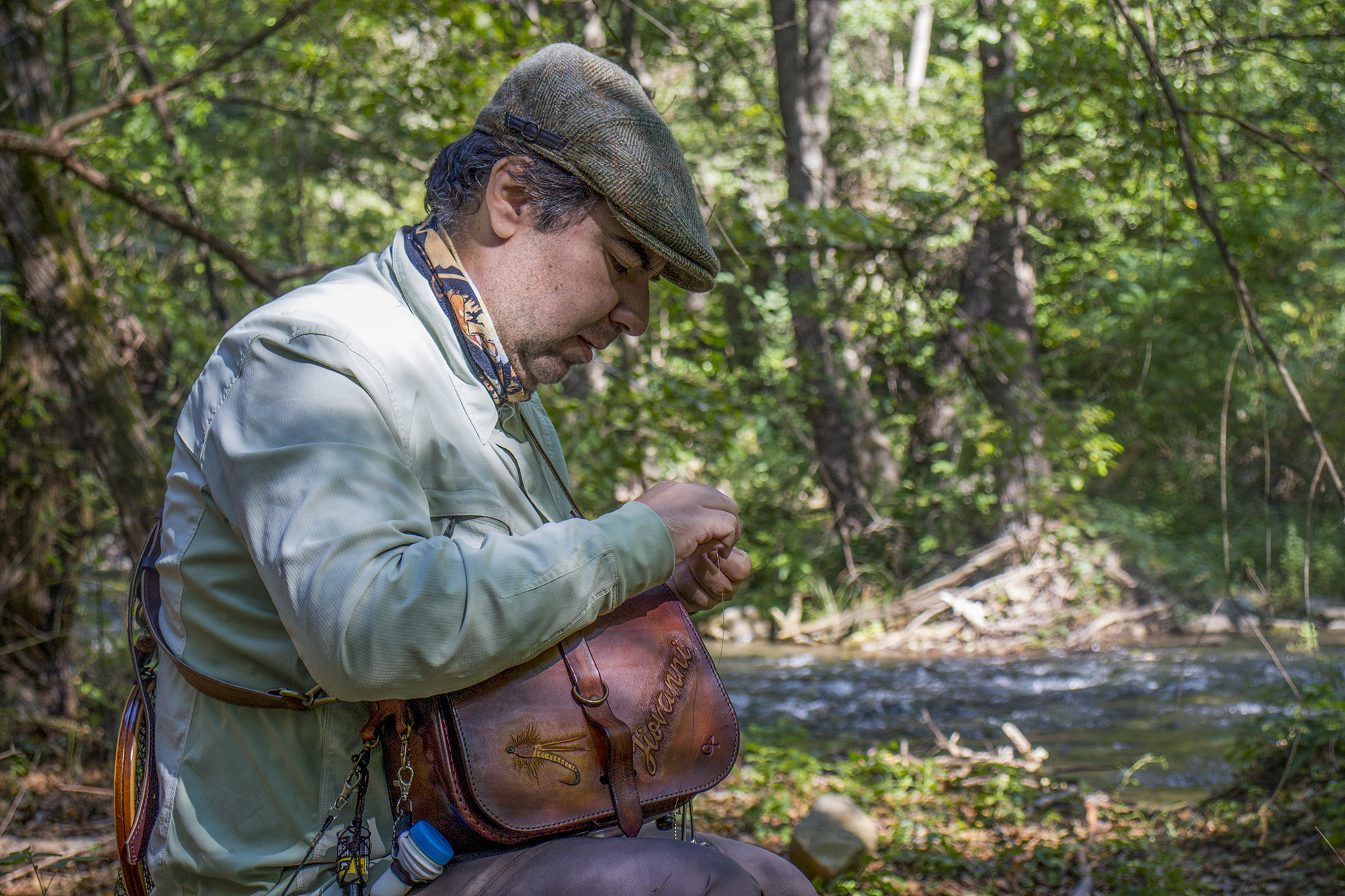
There is no need to draw any parallels between fly fishing and Harris Tweed caps - they are simply inextricably linked since the development of fly fishing. Naturally, the old traditions that originated on the Island have long since entered Bulgaria and since a long time ago, just as it is not strange to see fishermen with fly and line in our rivers, so it is not strange to see fly fishermen with Harris Tweed caps.
Following the line of being a true fly shop at a very high level and because fly fishing is a way of life for us - it is only natural that we offer our customers extremely high quality handmade Harris Tweed caps!