

Some fishing trips end when you put the rod away. Others only begin when you sit down and tell the story.
That is how the first conversation in our new “After the Trip” series began – a few days after Konstantin Karagyozov returned from Norway and a five-day fishing trip on the River Rena.
This time, the goal is not simply to count the fish. The conversation is about the river, the unusual conditions, large brown trout, dry flies, mistakes, local knowledge and those small moments that ultimately stay with you long after the trip is over.
🎥 Watch the full conversation
Why the River Rena?
Konstantin had already been to Norway, but his previous visits had been during the colder part of the year. Summer on the Rena is something different – different water conditions and an opportunity for the kind of fishing that comes much closer to his idea of classic fly fishing with casting and dry flies.
So before the trip, he made a conscious decision: this time he would not rely on the techniques he already knew – European nymphing and streamers.
He wanted to fish in a way he rarely has the opportunity to fish in Bulgaria – casting at distance and fishing dry flies.
The Big Brown Trout Are the Goal
The goal is large brown trout.
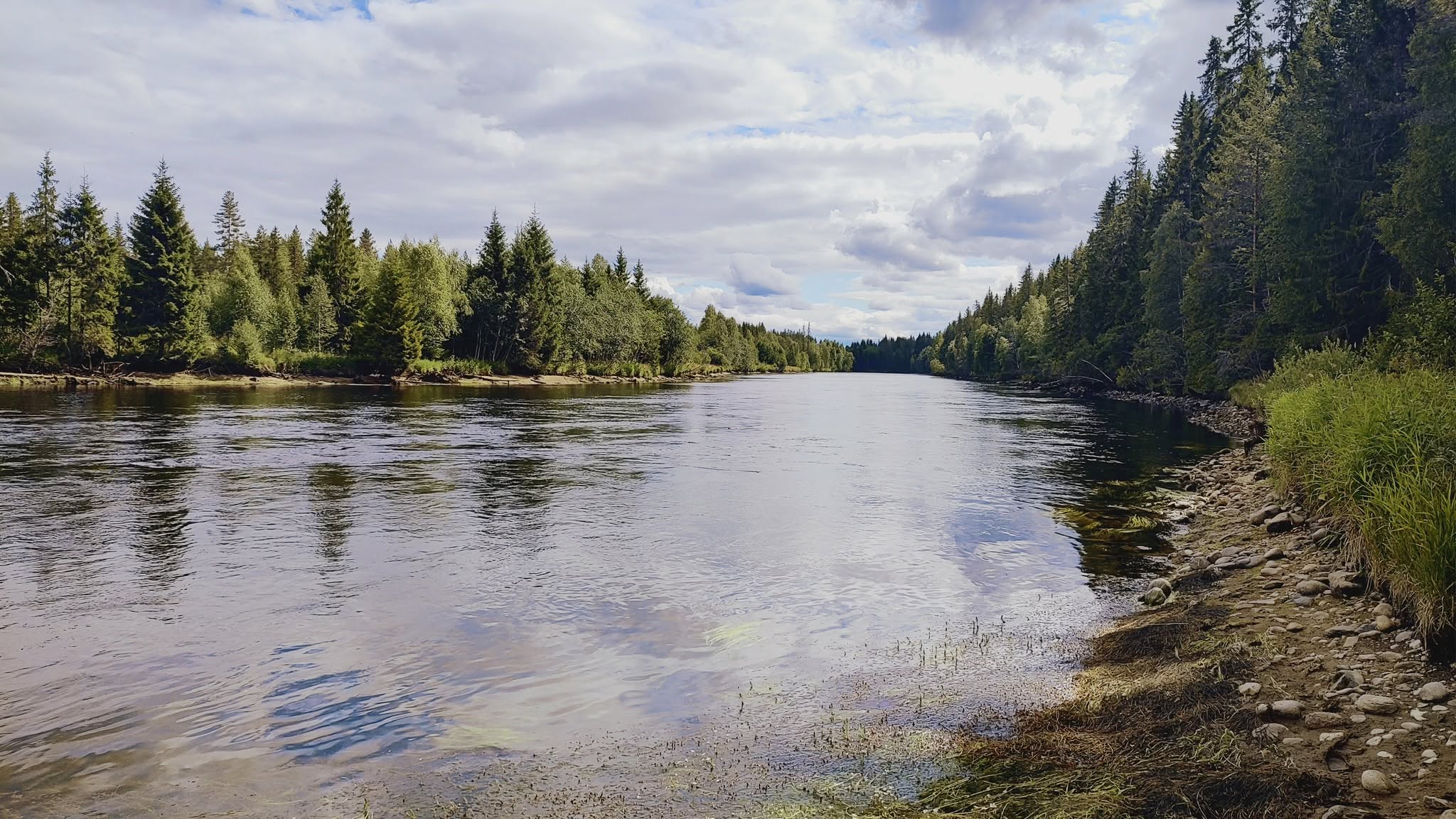
There are particular stretches of river known to hold big fish. The problem is that the Rena can be difficult to wade. At normal water levels, its depth and width limit access to some of these areas.
This time, however, conditions are unusual. The river is considerably lower than normal. The low water makes it possible to reach stretches that would be practically inaccessible under normal conditions. In an unexpected way, what initially seems like poor conditions becomes part of the strategy for finding the larger fish.
But low water has another side. Water temperatures are rising, and at one point there is even a real possibility that fishing could be restricted if the water reaches a critical temperature.
The trip already has an unknown factor before it has properly begun:
Will the river even allow them to fish?
The Fishing Begins When the River Starts Talking
They observe. They wait. They look for the first signs of activity.
The evening fishing begins around eight o'clock. You stand on the bank, watch the current and wait. Where will the first fish show? Where will the next rise appear? And most importantly – what will make the larger fish come to the surface?
The answer comes with the insects.
Caddis.
One Evening Changes Everything
There is wind. The fish are not active. So they wait. Around 11 p.m., the wind gradually dies down.
And then the river changes. The caddis begin to hatch. The fish become active.
At first, the two anglers keep their distance so they do not disturb the fish. They watch where the rises appear and only when the activity becomes clear enough do they carefully move closer. It is one of those moments when fishing has very little to do with simply casting a fly.
First, you have to read the river.
Then understand the fish.
Only then do you make the cast.
Not Just a Dry Fly – The Right Way to Fish It
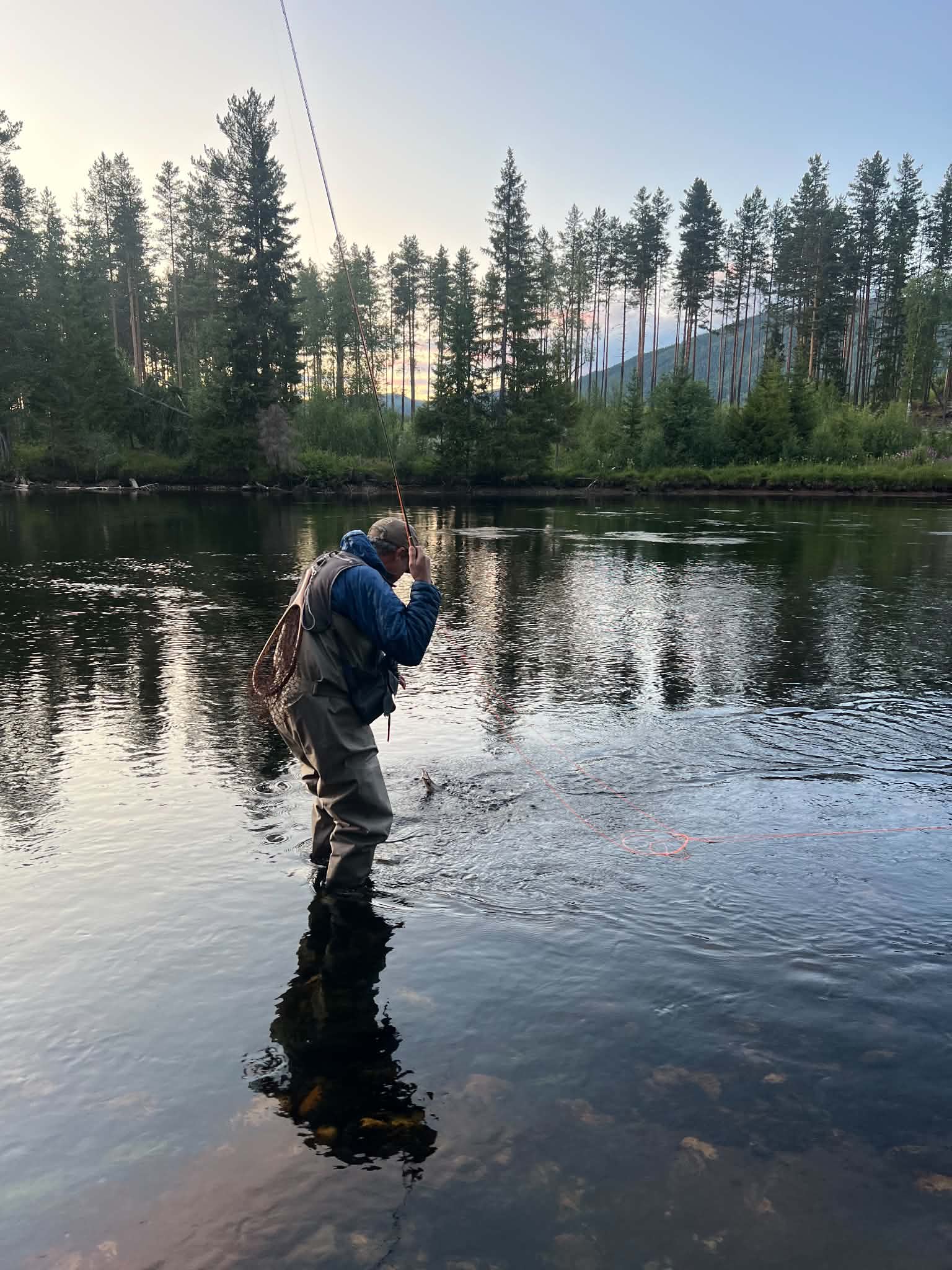
At first, Konstantin watched the local anglers because he wanted to understand exactly how they were doing it. Gradually, it became clear that the movement of the fly was what triggered many of the takes.
The fly was presented at different angles to the current, followed by a controlled movement across the surface – enough to leave a visible track, but not so much that it looked completely unnatural.
Later, it became clear why this worked so well. Between the weed beds were channels where the fish were holding.
When a caddis began moving across the surface, the fish had only a very short time to react.
And they did.
The Big Fish That Stayed in the River
Konstantin hooks a very large fish. A very large one. The fight goes on for a long time. The fish moves from one side of the river to the other, runs both upstream and downstream, and simply refuses to be controlled.
At one point it comes to the surface right in front of his friend. Everything seems possible. And then the line goes slack.
The fish is gone. It is not landed. But sometimes those are the fish that stay longest in your memory. Because they are not simply centimetres or kilograms.
They are the story of those few minutes when you found yourself up against something much stronger than you.
Sometimes All It Takes Is a Duck
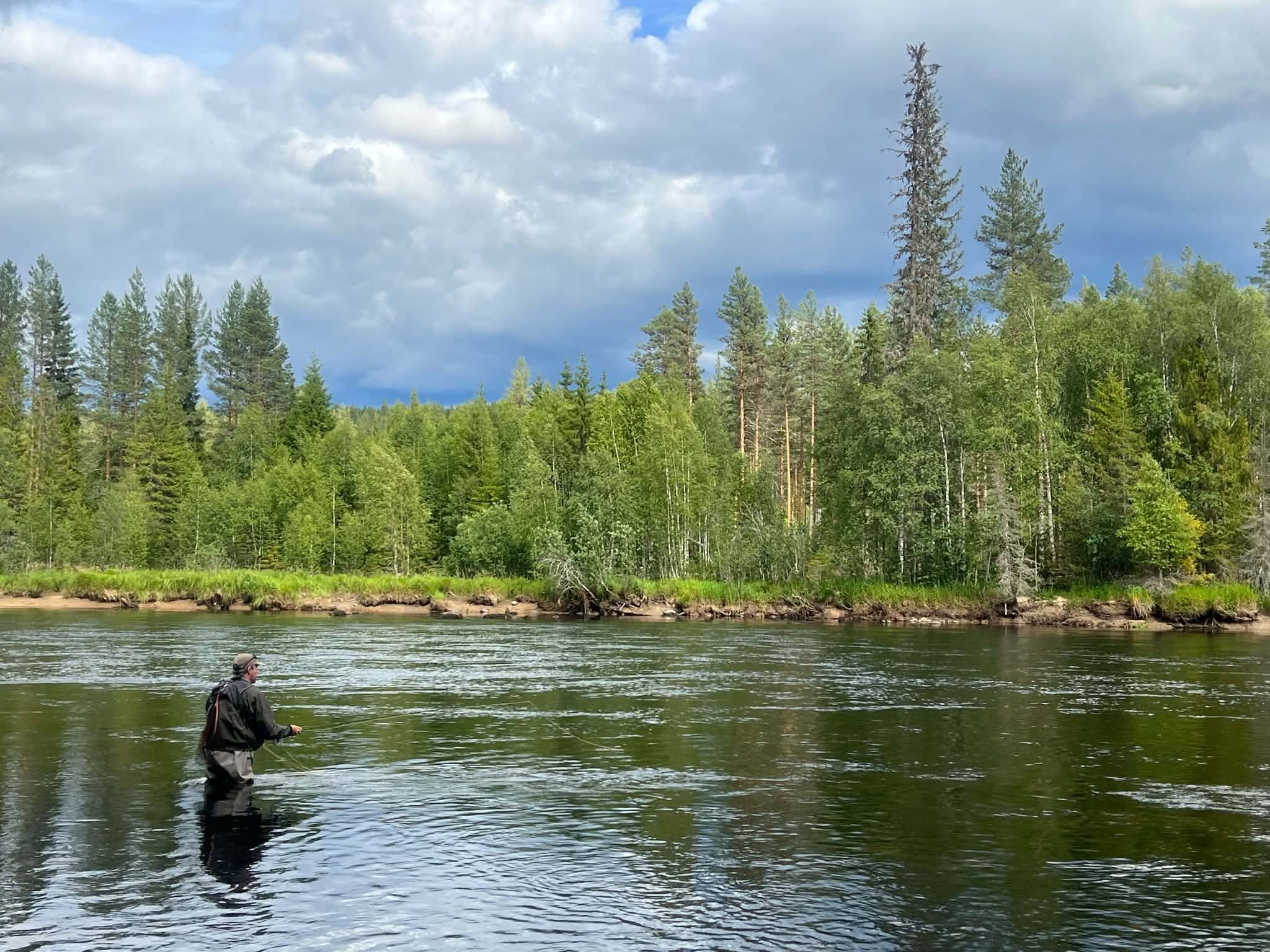
Konstantin finds a promising stretch, enters the river and begins casting.
On the second cast, a large fish rises. But shortly before that, there is a duck nearby. And the duck starts quacking. For a fraction of a second, Konstantin's attention shifts.
That is exactly when the fish takes. The reaction is powerful, but this time the encounter ends almost immediately with a break-off. And perhaps that is one of the most human moments in the entire conversation.
Because no matter how much experience you have or how well you know your technique, sometimes you simply look away at exactly the wrong moment.
The Flies Are Tied on the River
Instead, he wanted to see what the local anglers were using.
And tie flies there. On the river.
This turned out to be particularly interesting because the local anglers were using patterns he had never seen before. Some were highly specific to the area, designed around the local insects and the way the fish were feeding.
So some of the most valuable information from the trip did not come from a book or the internet. It came from watching someone who spends a great deal of time fishing the same river.
Going Somewhere Is One Thing. Learning How to Fish It Is Another.
Konstantin puts it very clearly toward the end of the discussion. When you travel somewhere new, it is very easy to assume that you already know enough. You pick up the rod.
You start casting.
You fish the way you fish at home.
And nothing happens.
The problem is not necessarily the river or the fish. Sometimes you are simply not doing the right thing, at the right time, or in the right way. That is why, when fishing unfamiliar water, Konstantin prefers to observe the locals.
To see what they do. To ask questions. To learn. And that, he believes, is one of the most valuable ways to gain experience.
The Fish Are a Bonus
The landscape there is extraordinary.
The river, the forest, the blueberries, the wildlife, the cabins beside the water – all of it is part of the experience.
And then Konstantin says something very simple: “The fish are a bonus.”
Perhaps that is the best way to describe the entire trip. Because for more than an hour, the conversation is not really just about fish. It is about the river. About learning to read it. About the people who know it. About travelling somewhere unfamiliar and allowing the river to teach you something.
And, of course, about those big brown trout that did not all make it to the net this time.
What Remains After the Trip?
He returns with new experience.
New flies.
New ideas.
A better understanding of a type of fishing that is difficult to experience in Bulgaria. And a desire to return. Because next time he will know more. There will be new things to try.
And perhaps some of the big fish that stayed in the Rena this time will still be there.
Maybe next time the ducks will be quieter, too.
After the Trip
This was the first conversation in our new “After the Trip” series – conversations that begin after the fishing is over and continue where some of the best stories usually begin: in the memories. The next trip will have its own story.