

What is dubbing?
Dubbing is a material consisting of fine natural or synthetic fibers that are twisted around the rigging thread or placed in a dubbing loop to shape the body or cephalothorax of the fly.
Its main function is to create a natural silhouette and texture that resembles larvae, nymphs, pupae, adult insects or other organisms that fish feed on.
Modern dubbing can be made from natural fur, synthetic fibers, or a combination of both materials.
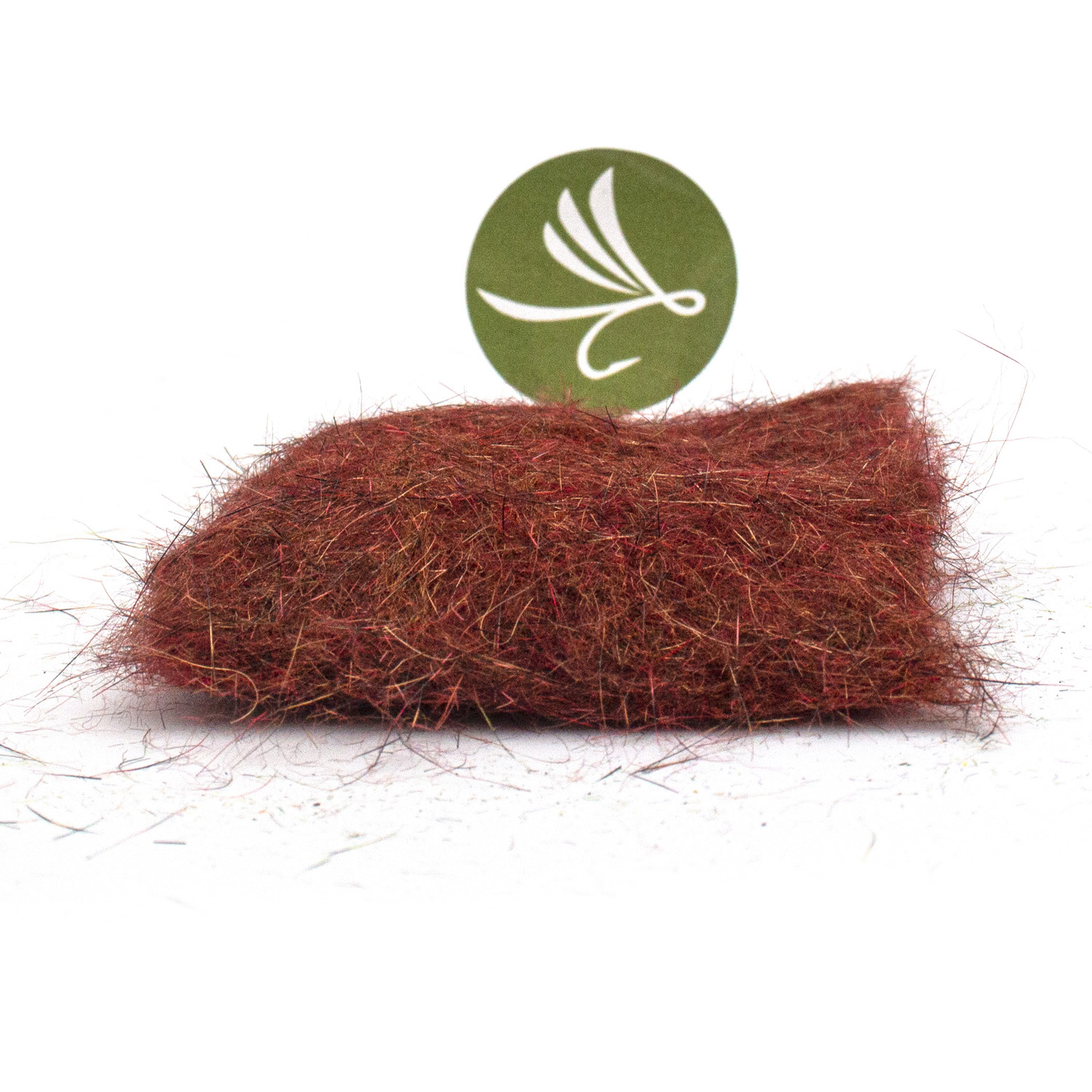
Natural or synthetic dubbing?
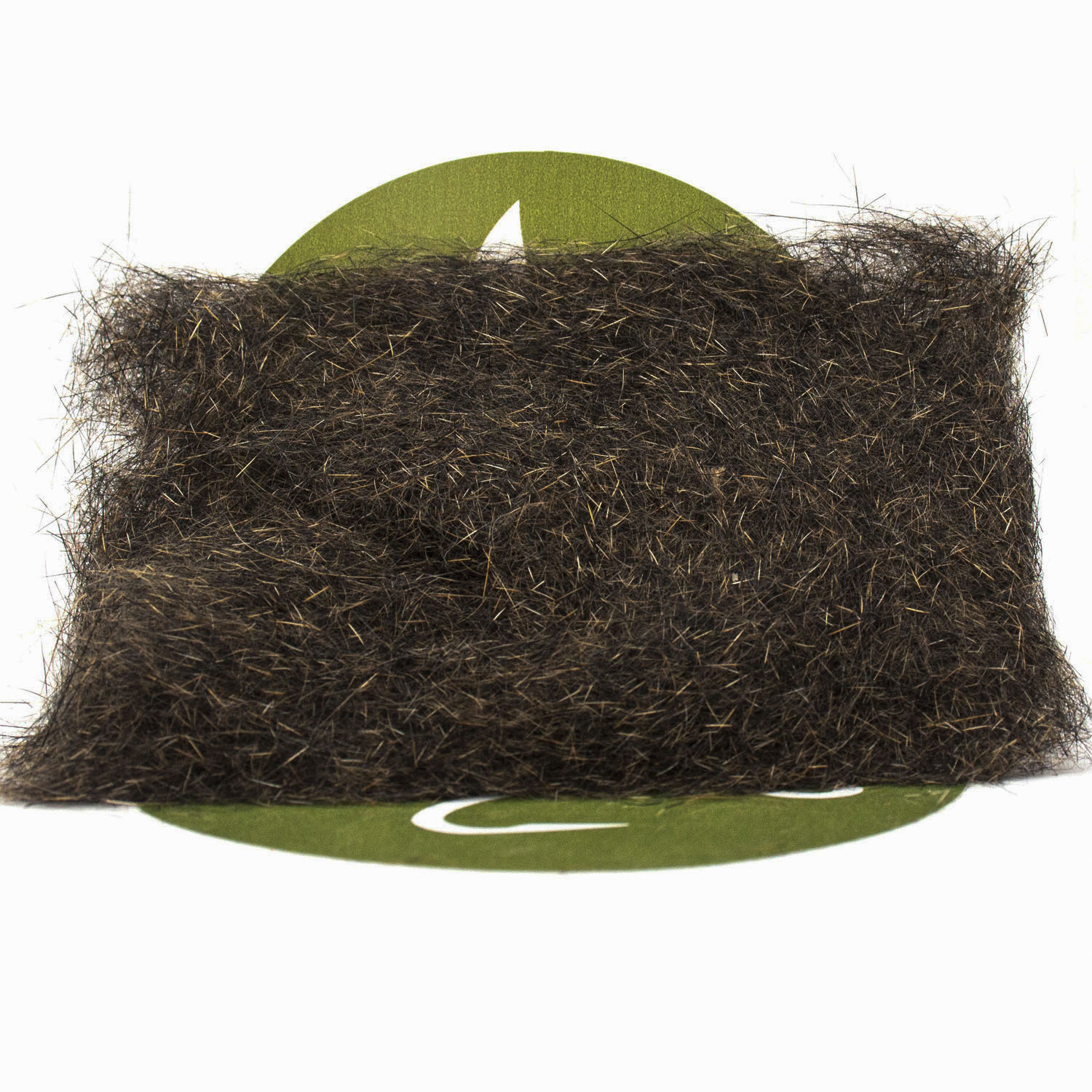
Natural dubbing
Natural dubbings are made from various types of fur such as rabbit, hare's mask, squirrel, muskrat, beaver, nutria, opossum, seal, camel, fox, etc. Their main advantages are:
- Extremely realistic texture
- Natural movement of fibers in water
- Excellent imitation of aquatic insects
- Easy ruffle to create legs and gills
They are a preferred choice for: classic nymphs, wet flies, emergers, realistic models
See all natural dubbingSynthetic dubbing
Synthetic materials offer a significantly greater variety of colors, UV effects, and reflective properties. Their main advantages are:
- Bright and durable colors
- UV reflection
- High durability
- Excellent transparency
- Ability to create attractor models
They are widely used in: competition nymphs and all modern Euro-nymph techniques, streamers, saltwater flies, attractor patterns
See all artificial dubbing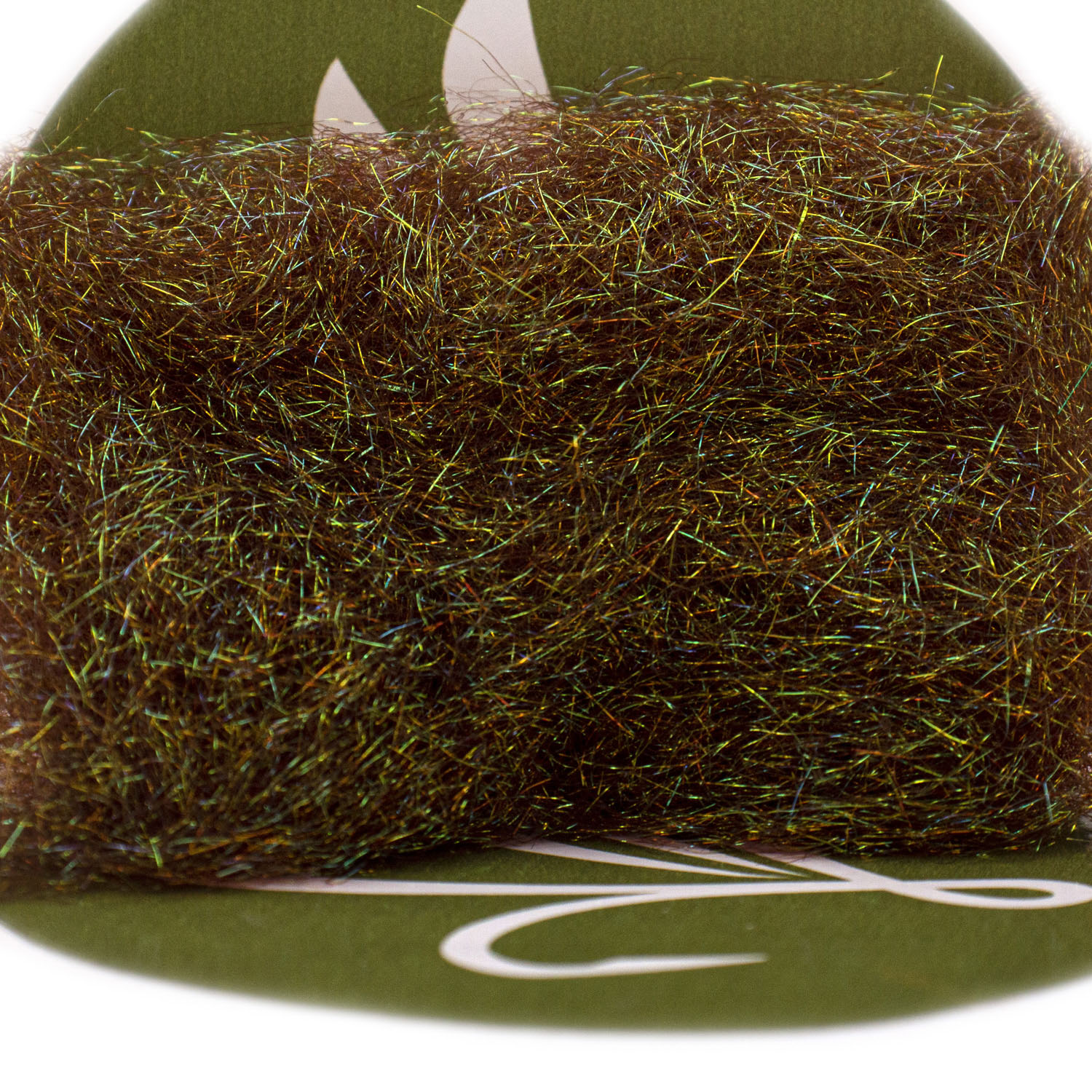
Selection by fly type
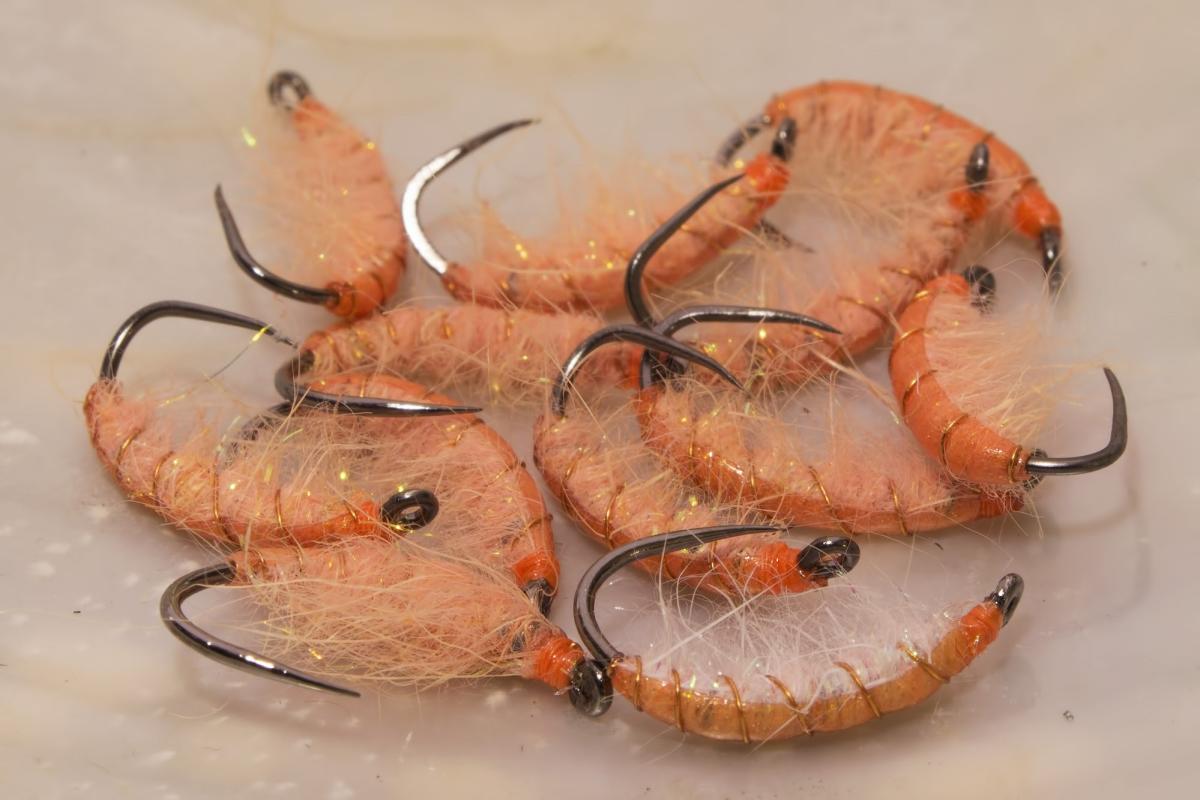
Dubbing for nymphs
Nymphs are one of the most popular types of flies. The following types of dubbing are very suitable for them:
- Hare's Mask
- Nutria
- Scud Dub
- Spectra Dubbing
- UV Dubbing
- SLF Dubbing
For classic models or realistic nymphs, natural materials are preferred, while for modern or racing models, synthetic mixtures with a UV effect are often used.
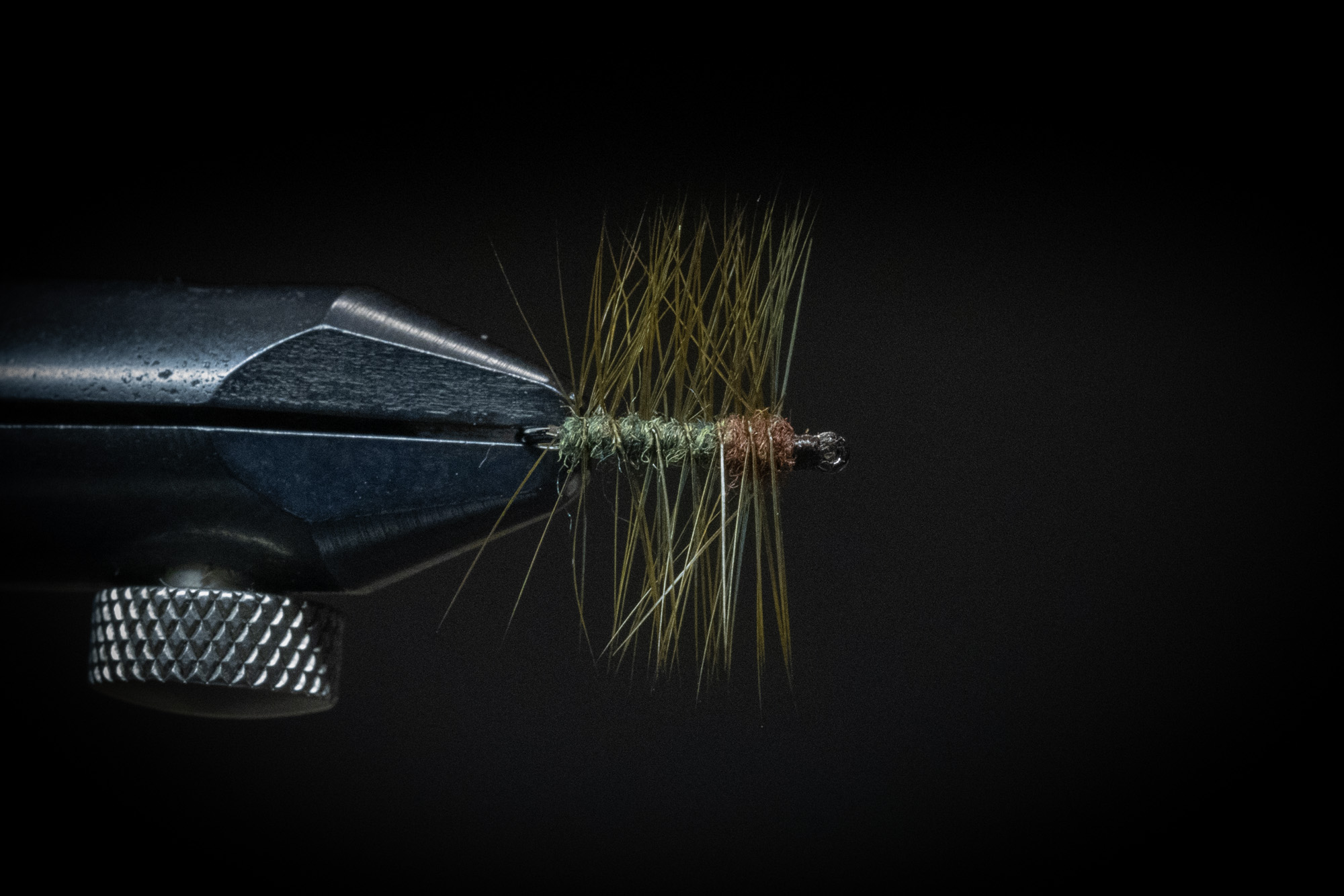
Dry fly dubbing
With dry flies the main goal is to achieve good buoyancy and fine bodies. On the other hand, the dubbing used should not retain ("drink") water and sink the dry flies. Suitable are:
- Superfine Dubbing
- Beaver Dubbing
- Muskrat Dubbing
- Kapok Dubbing
- Mole dubbing
These materials allow the formation of compact bodies without unnecessary volume.
Dubbing for emergers
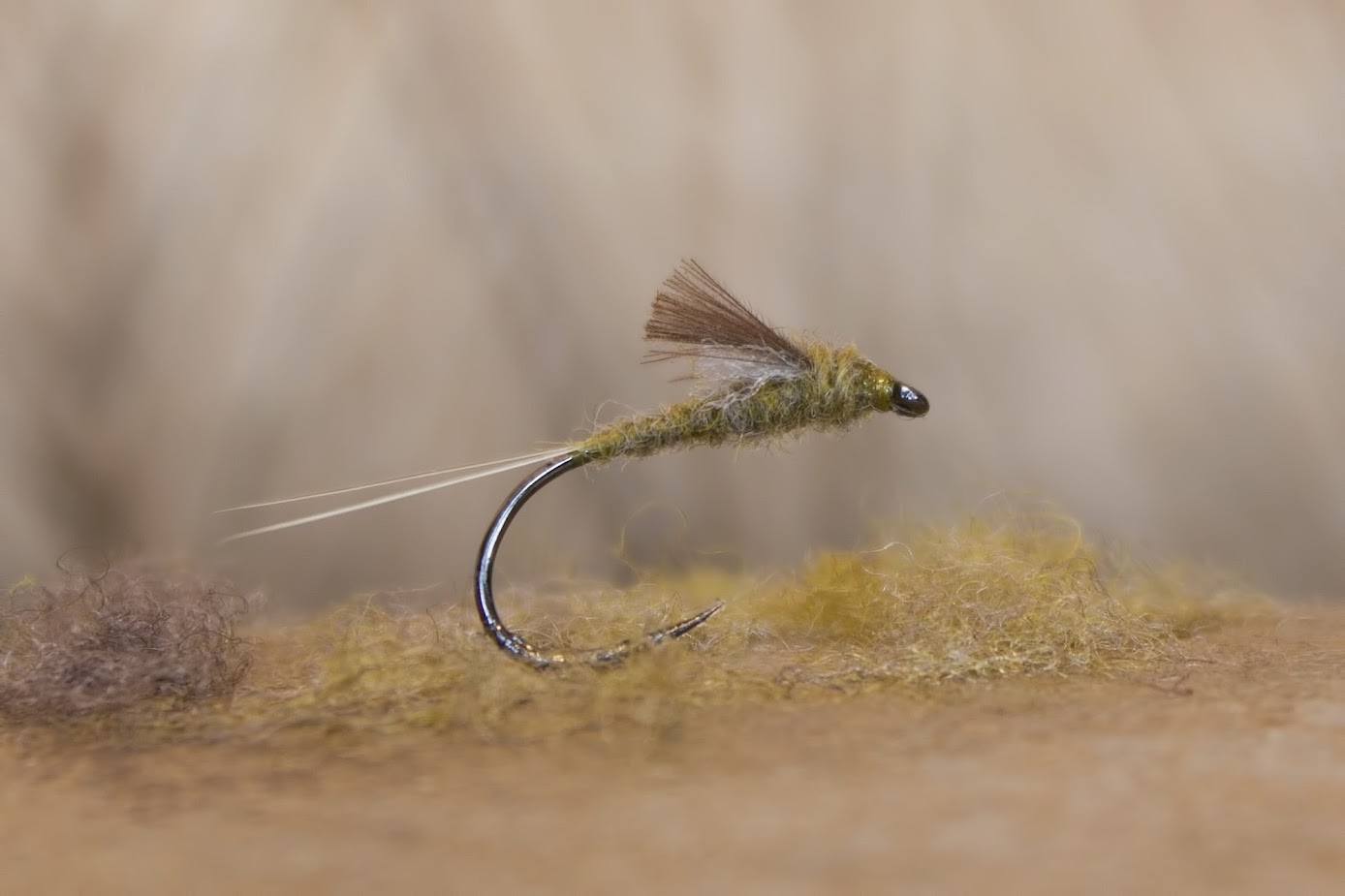
Emergers require materials that create translucency and a delicate silhouette. The most commonly used are:
- CDC dubbing
- Superfine Dubbing
- Hare's Mask
- Spectra Dubbing
- Muskrat
Dubbing for streamers
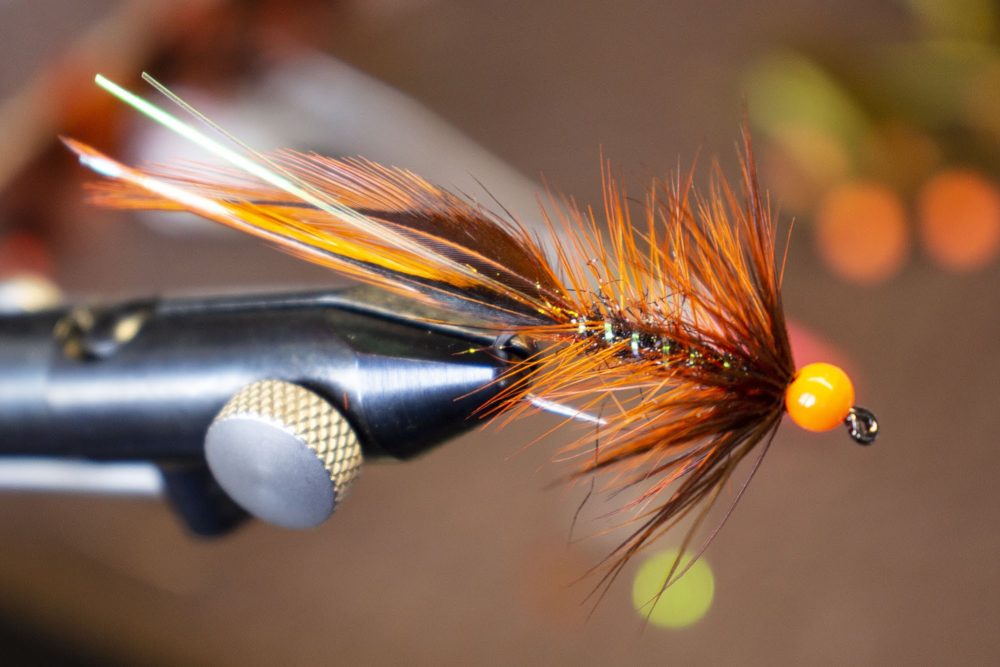
Streamers usually look for more volume and movement. Suitable are:
- SLF Dubbing
- Flash Dubbing
- UV Dubbing
- Saltwater dubbing
- Squirrel dubbing
- Hare dubbing
These materials create voluminous bodies and attractive reflections underwater.
What texture should we choose?
In addition to the type of material, its structure is also important.
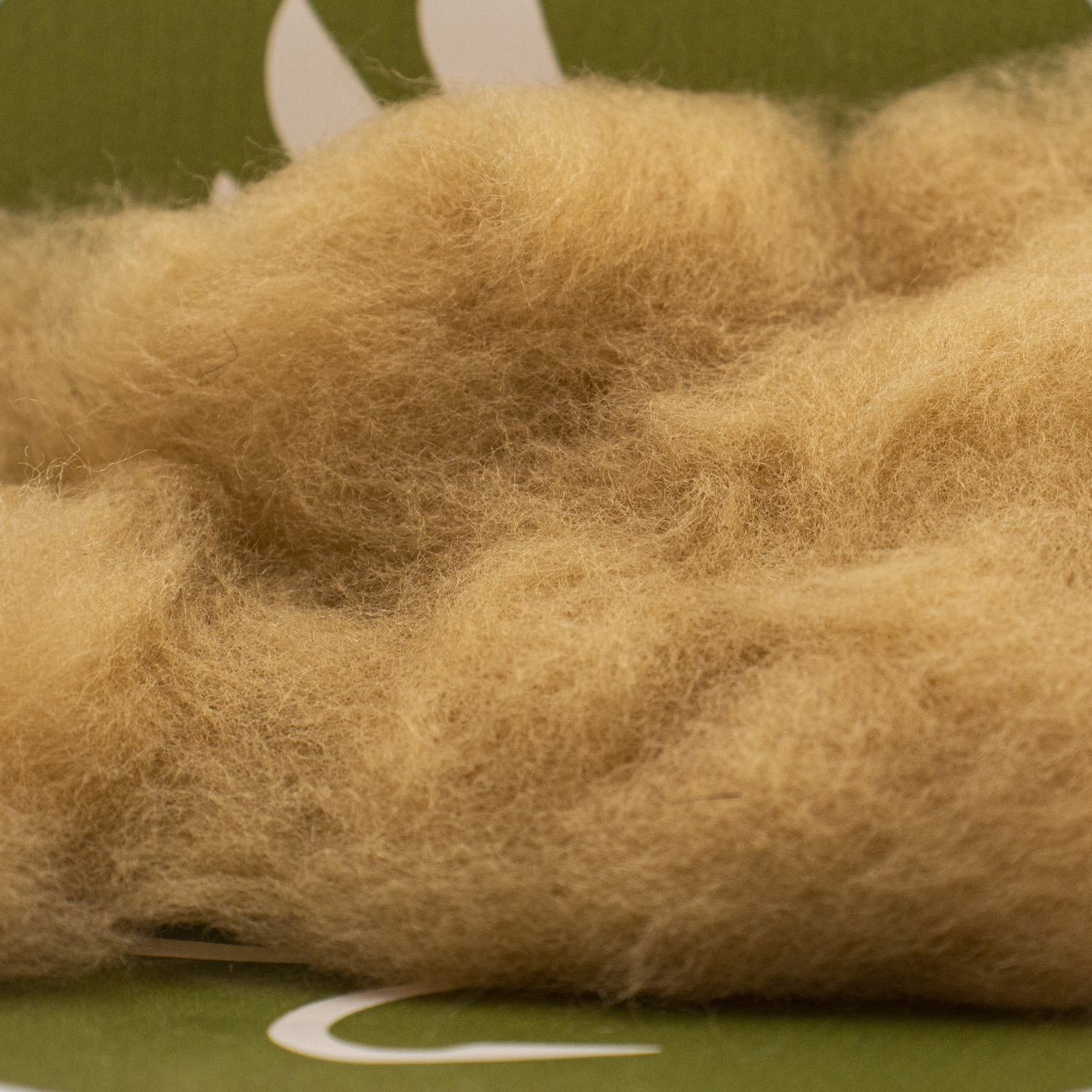
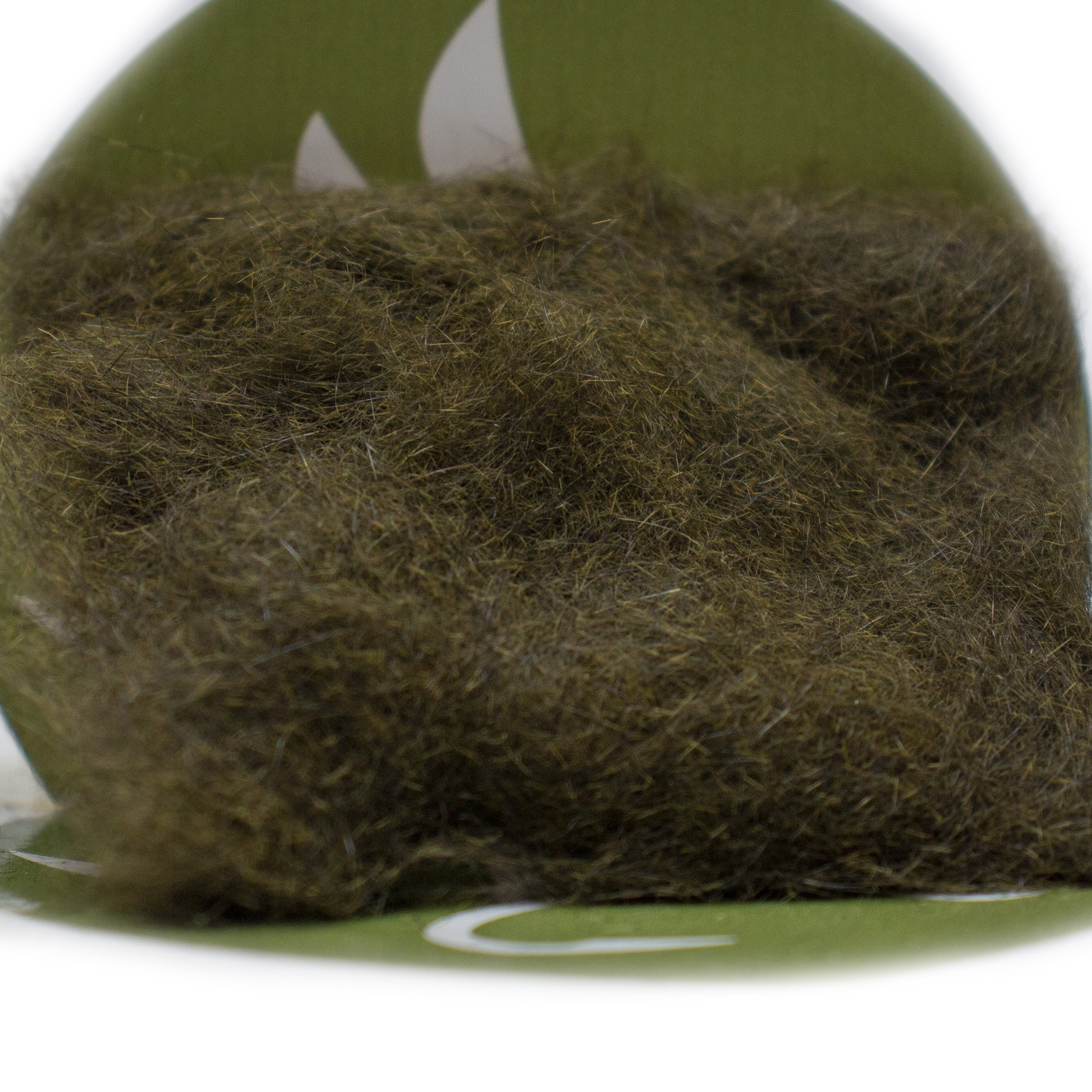
Fine dubbing
Suitable for:
Allows the shaping of thin and clean bodies
Medium rough dubbing
Suitable for:
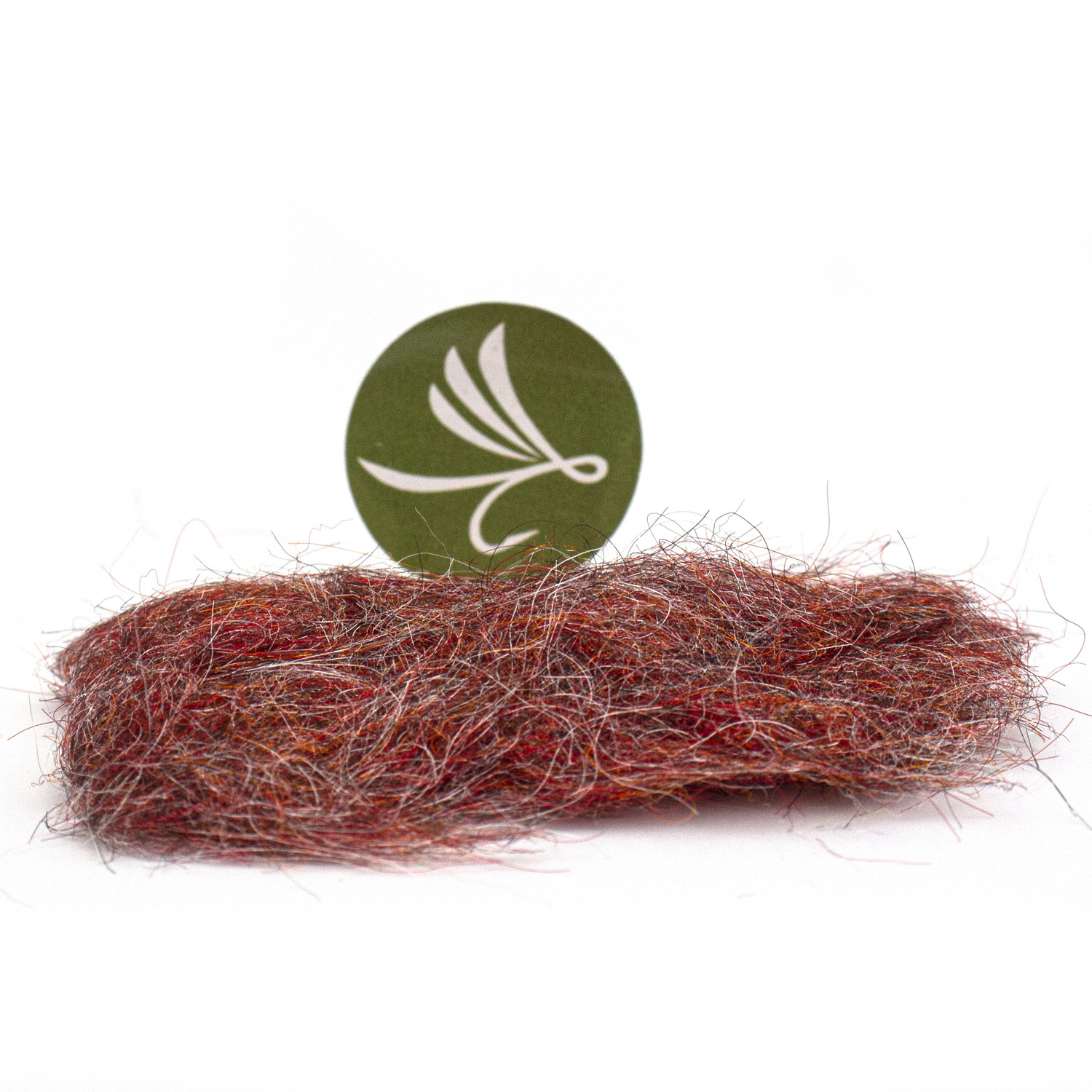
This is the most versatile option for most fly tyers.
Rough or "Buggy" dubbing
Suitable for:
Creates a natural shaggy silhouette and more movement in the water
When should we use wax?
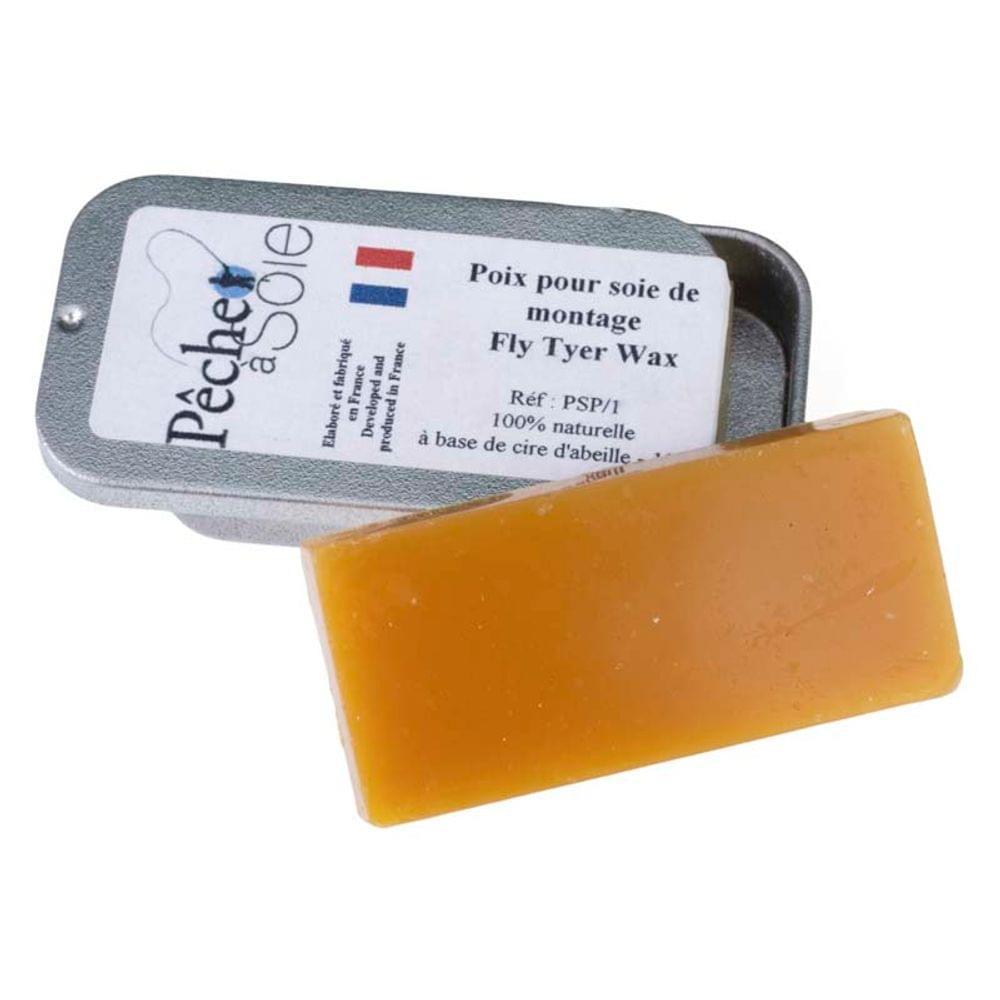
With many types of dubbing, especially fine synthetic fibers or shorter natural hairs, attachment to the thread can be a challenge. Wax increases the adhesion between the thread and the fibers, allowing for more precise control over the amount of material and the formation of more compact bodies. Key advantages of using dubbing wax:
- Easier attachment of dubbing to thread
- Stronger and more compact bodies
- Better control when working with small flies.
- Makes dubbing loop creation easier.
- Reduces dubbing breakdown during tying.
Dubbing dispensers
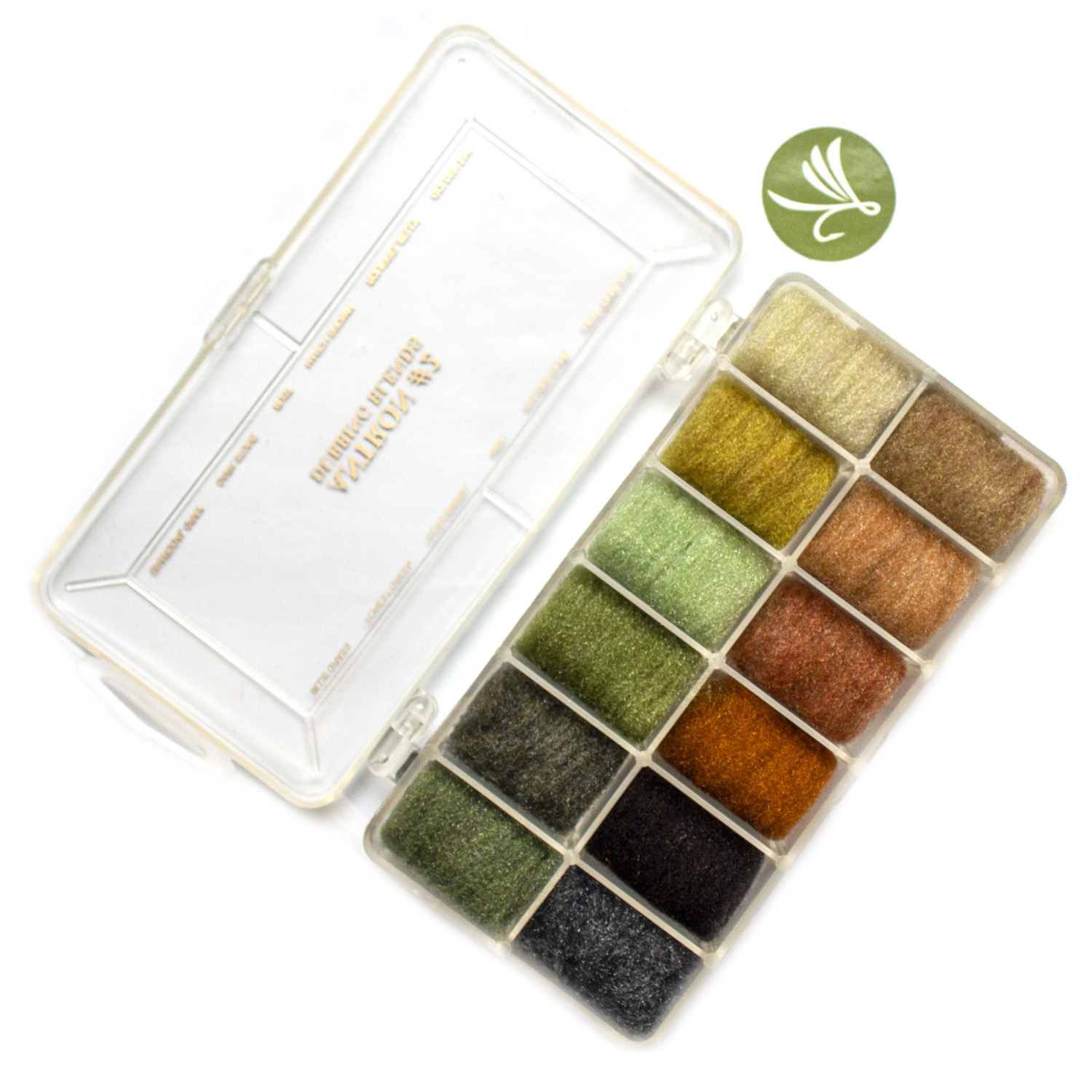
Every fly tyer sooner or later accumulates a large collection of different dubbing. Over time, finding the right color or material can become a challenge. This is where the advantages of dispensers come in:
- Compact storage of multiple colors in one box
- Quick access to material during tying
- Better workplace organization
- Protecting dubbing from dust and dirt
- Easy to transport when traveling or demonstrating.
- Ability to have an entire color series at your fingertips.
Choosing the right dubbing is a combination of knowing the material, the type of fly and the conditions it will be used in. Natural dubbings offer realism and natural movement, while synthetic dubbings add transparency, UV effect and durability.
The best approach is to build up a diverse collection of natural and synthetic dubs to allow you to experiment and adapt your flies to your particular reservoir conditions.
Ultimately, there is no one-size-fits-all dubbing solution. It is the variety of materials and the ability to combine them that makes fly tying such an interesting and creative activity.
If you are just starting out with fly tying, there is no need to buy dozens of different types of dubbing. A few good quality Hare's Masks, a few packs of rabbit dubbing, a few packs of Superfine dry flies and a UV synthetic blend will cover most of the most popular trout fly patterns. As you gain experience, you will gradually discover which materials best suit your tying style and the conditions you are fishing in.