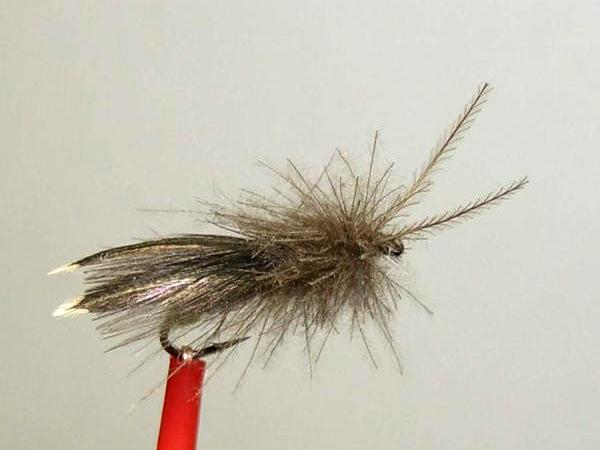

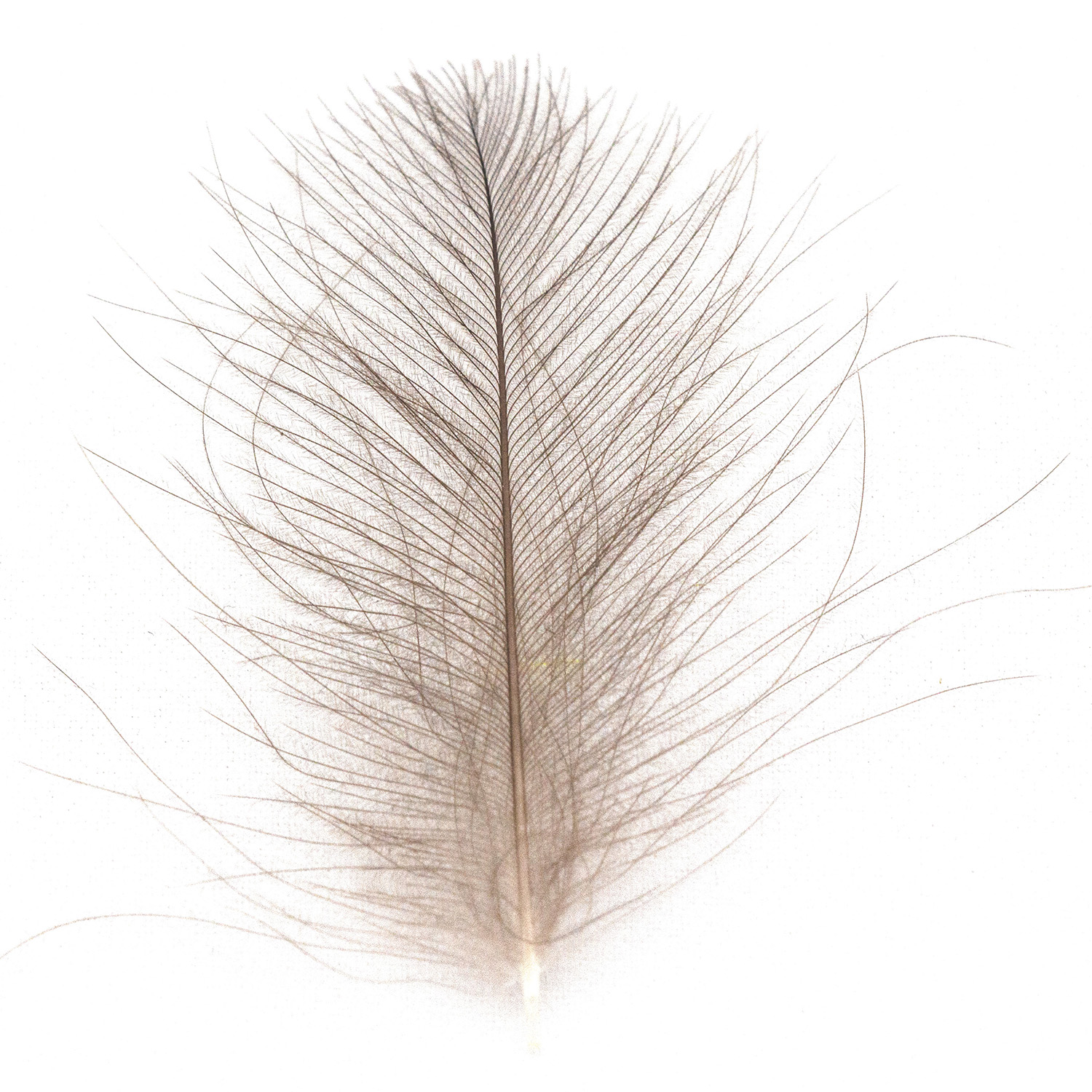
What is CDC "Cul de Canard"
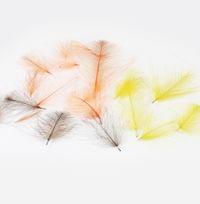
CDC feathers are one of the most used materials and we can hardly imagine the modern fly tyer without them. CDC ("Cul de Canard" or translated from French "Duck Butt") is literally a "pinch" of feathers that are located above the duck's rump and are covered with other feathers. CDC feathers are found on top of the waterfowl's uropygial gland, which secretes oil and with this oil the birds waterproof their feathers.
Almost any fly element can be made with CDC feather - traditional mayfly wings and caddis, hackles, parachute bibs, thoraxes, there are tail options such as extendite bodies, feather wrapped or CDC dubbing bodies, scarves on nymphs, wet fly hackles – their application is truly limitless. And their widespread use is by no means accidental - CDC pens have huge advantages, but of course also some disadvantages.
Advantages of CDC feathers
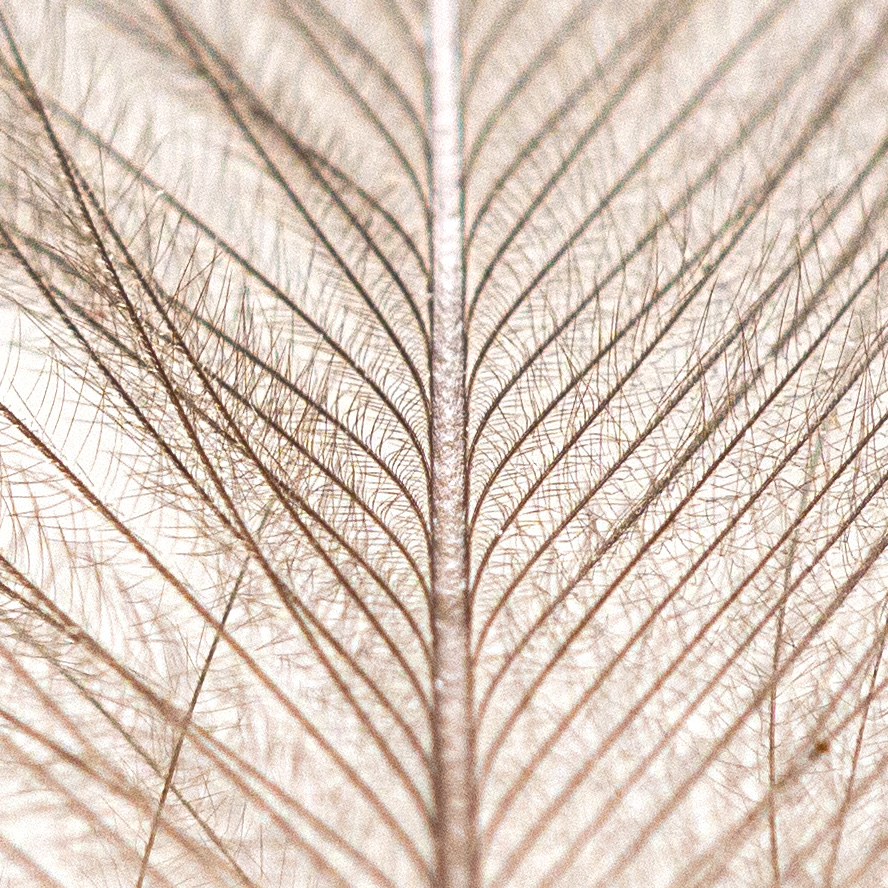
First of all - CDC feathers are naturally oily - there are no other feathers with such hydrophobic properties. Simply because they are right on the oil producing gland. The second (though perhaps it should come first) extremely important reason why flies using CDC swim so well is their structure - each hair ('barb' or scientific 'branch') of the feather has a huge number of 'barbuli' ” (“barbules”) - they hold a huge number of small air bubbles and this keeps the feather on the surface. Therefore, it is extremely important both when tying the fly and when using it - that these barbules are not damaged in any way. You have to be very careful with the lubricants - they must be for CDC feathers and must be applied in a very thin film - precisely so that the barbules are not "glued" to the bristles. The third huge advantage of CDC feathers is their vitality - above water, on the surface and under water - they are so "energetic" that they bring life to your fly. With the slightest breeze over the water or the slightest current in the water - they move and make your imitation extremely successful. The structure of the CDC feather traps air while the oil prevents the feather from absorbing water.
The downside of the flies made by the CDC is the fact that after a fish is caught, their buoyancy is destroyed - once due to the slime from the fish, but mostly due to the destruction of their structure (sticking of the barbules to the hairs). Therefore, it is necessary to wash the fly in the water from the mucus, then dry it - the classic way for this is to use Amadou - a desiccant made from a natural tree sponge, extremely hygroscopic, which in a few seconds sucks the moisture from the fly and she is ready to go again. Other options are various modern dryers from many companies or even a piece of household paper can be used. A good option is to use a small rubber band attached to the vest, the fly is attached to it, the rubber band is slightly pulled and very quickly the fly is dried by the micro-vibrations.
A brief history of the CDC
Already in the 20s of the last century with flies in which CDC is used (such as collar hackel) began to fish somewhere on the border between Switzerland and France. The great popularity of CDC feathers, however, came after Marian Fratnik from Slovenia showed in 1980 his F-Fly - a basic fly made of thread that covers the body and a tip of 1-2-3 CDC feathers (depending on the hook size), with which the fly's wing is made of. Then the excess is cut from the front, the head is shaped and the fly is ready - perhaps the most basic and yet most ingenious fly - all thanks to the properties of the CDC.
A pioneer in popularizing these feathers to this day is Marian Fratnik's friend - the Swiss Marc Petitjean. Already in 1985 he introduced many new things such as a single CDC feather fly, the making of a CDC feather body by twisting, the innovative use of CDC to separate two wings, and in 1992 he included the use of CDC in subsurface flies - nymphs and streamers. Very successfully developed a series of tools designed to work only with CDC feathers, sells a very good series of selected CDC in many colors, has also published an extremely good book with over 400 CDC flies - step-by-step. Between 1985 and 1993 the German Gerhard Laible published a number of articles about CDC feathers in German fly fishing magazines and published a book specifically about flies with these feathers, which popularized them a lot in Germany.
In 1988, the Dutchman Hans Van Klinken (whom everyone knows with the Klinkhammer Special fly) created another genius fly by turning the CDC feather upwards - the Once&Away emerger, from which all the models with the general name "Shuttlecock" start - the emergers with which we fish so much in our country . Another Dutchman Hans Willeman in 1992 created another extremely popular and catchable fly - CDC & Elk. In the late 1980s, quite naturally, the CDC's fame spread overseas and became very popular in America as well.
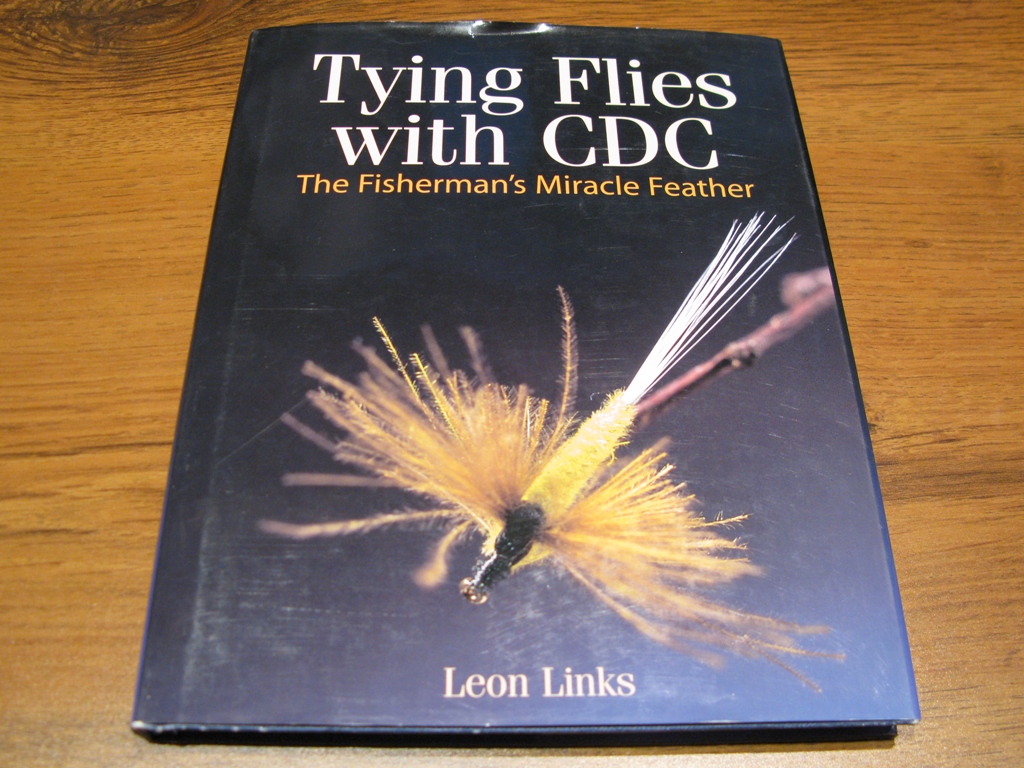
Tying Flies with CDC
There is a wonderful book by Leon Links (also one of the pioneers) - "Tying Flies with CDC" which describes in great detail the history of using CDC feathers in fly tying (the above facts are from there) and many personalities (besides those listed under -above), who have contributed to the popularization of this wonderful material throughout the world. There are many CDC fly patterns and it is definitely extremely useful.
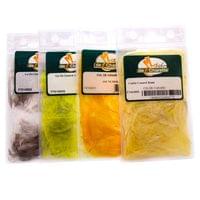
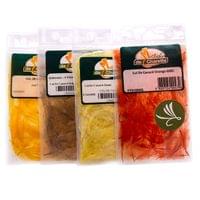
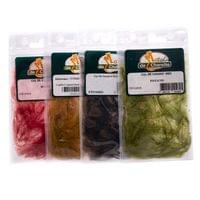
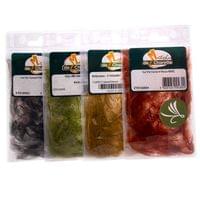
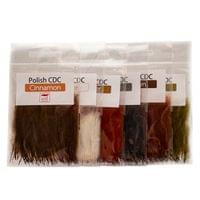
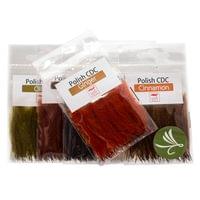
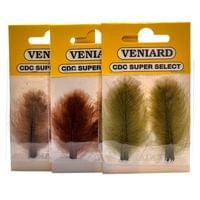
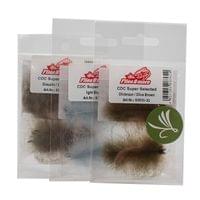
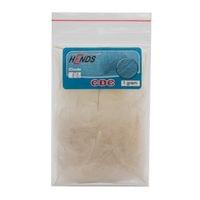
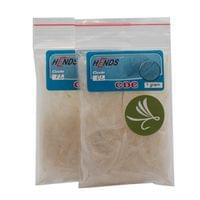
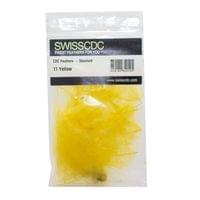
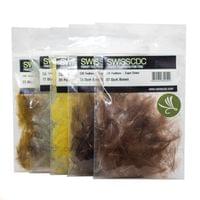
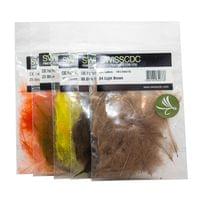
We already have a huge selection of precious CDC feathers in our country - many different sizes and colors










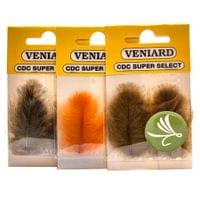


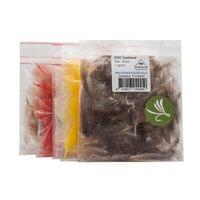
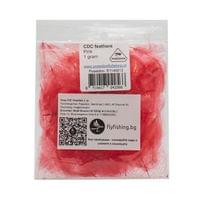


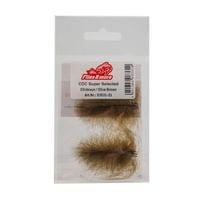



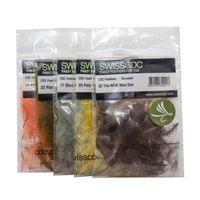


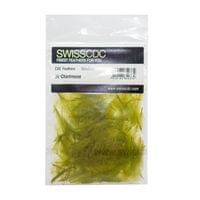
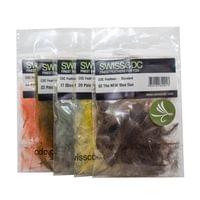


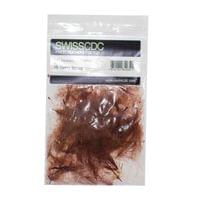
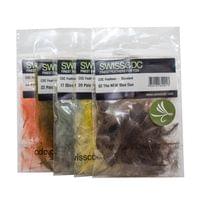


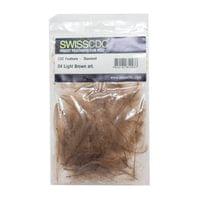
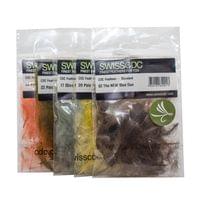

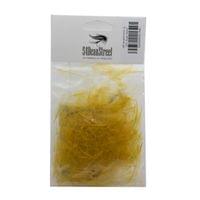
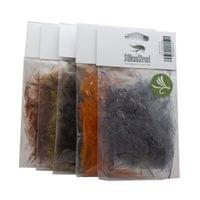


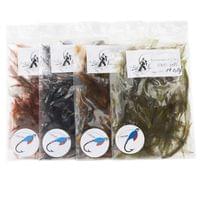
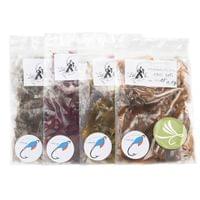


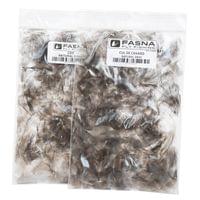
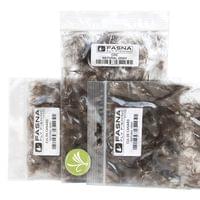
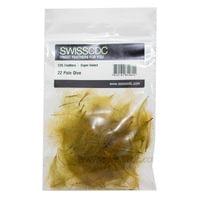
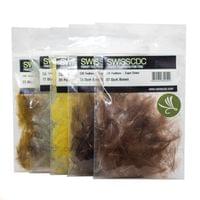
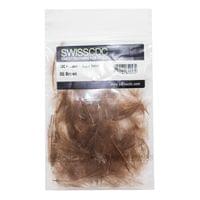



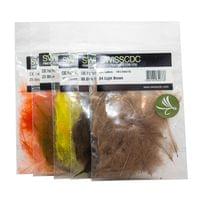
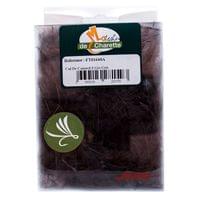
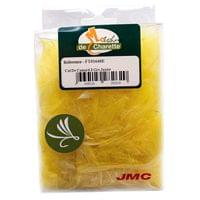
Here are more ideas and ways to use CDC pens
October Caddis
CDC feathers are used to make the wing of the large October caddis
CDC Tan Caddis
Igor used CDC feathers to make the underwing and hackle of the caddis shown
CDC Loop Wing Emerger
A specific technique for using CDC feathers to make imagers
Theo's May Fly
Theo Atanasov's Mayfly, where he uses CDC feathers for wings, thorax and legs
CDC Dun
A small CDC bottom presented by Naditsa Stancheva, using CDC for wings
MP-52 - CDC Caddis
This is a variant of Marc Petitjean's MP-52 fly, made only from CDC feathers
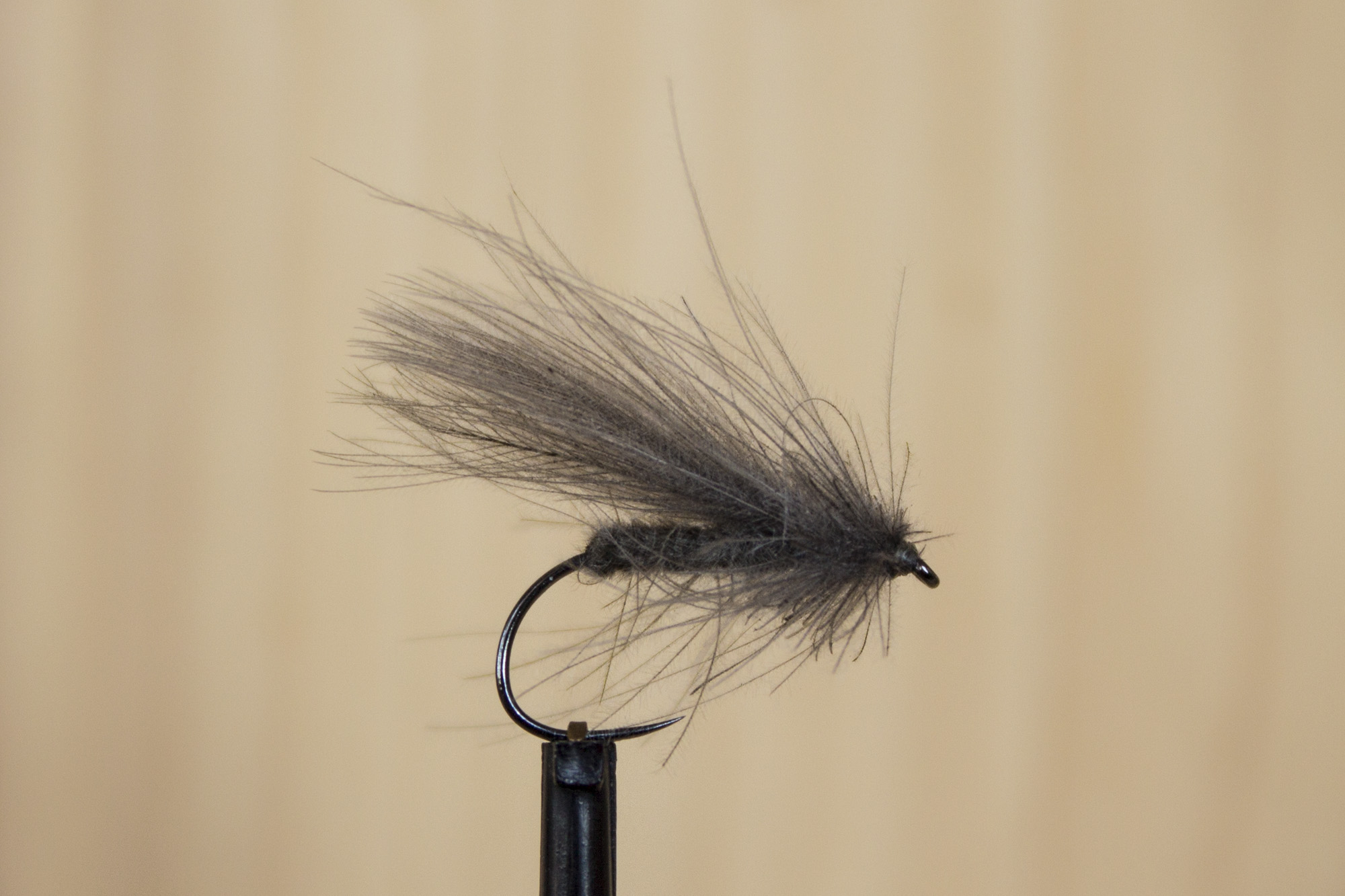
Erwin Tibad May FLy
Erwin Thibad's mayfly, where he uses CDC wing feathers
Black Ant
Bane used CDC feathers to make the ant's wings
BWO CDC Emerger
A huge variety of so-called "Shuttlecock" imagers that use CDC feathers
Egg Lying Sedge
A useful technique for making caddis wings with CDC feathers
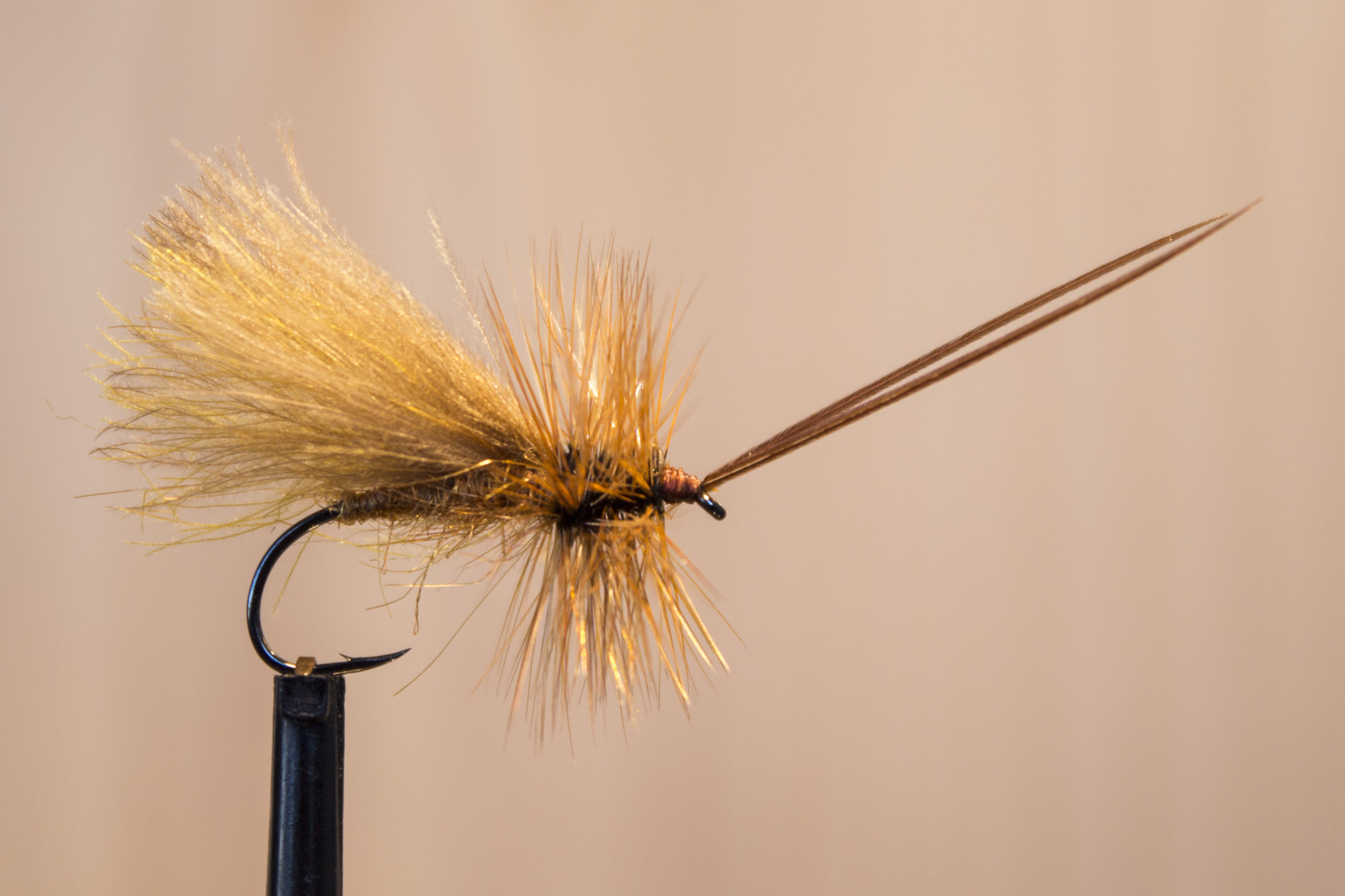
Tier-Wing Sedge
A very good option for making CDC caddis wings. Flies made in this way swim extremely well in all conditions.
CDC Parachute BWO Dun
Making a parachute-type fly tip from CDC feathers
CDC & Elk Caddis
This fly (the original CDC&Elk is by Hans Willemann), tied by Todor Atanasov, we photographed at the Fly Meeting in the village of Osenovo on the evening of September 5, 2009. An extremely elegant fly, easy to tie, made of only two materials - a CDC feather and a bundle of deer fur
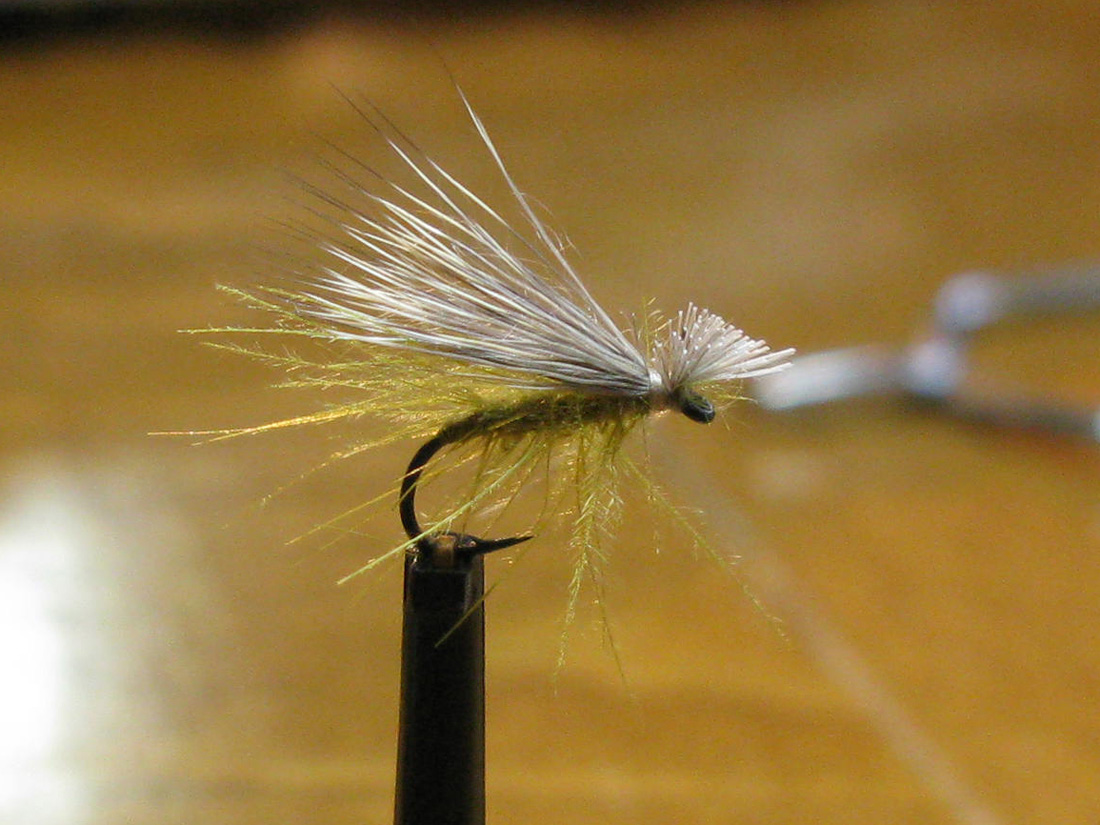
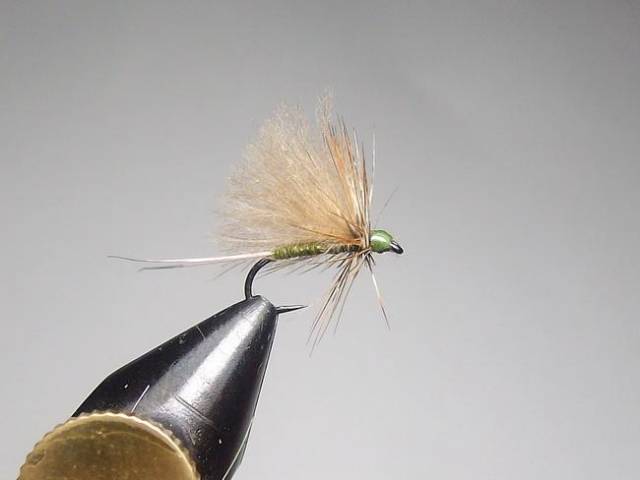
Smal May Fly
A very good option for making CDC wings of small mayflies.
T.A. Starling UV Sedge
Making the body, underwing, thorax and antennae by CDC in Theo Atanassov's lovely fly