

Classic Irish Wet Fly
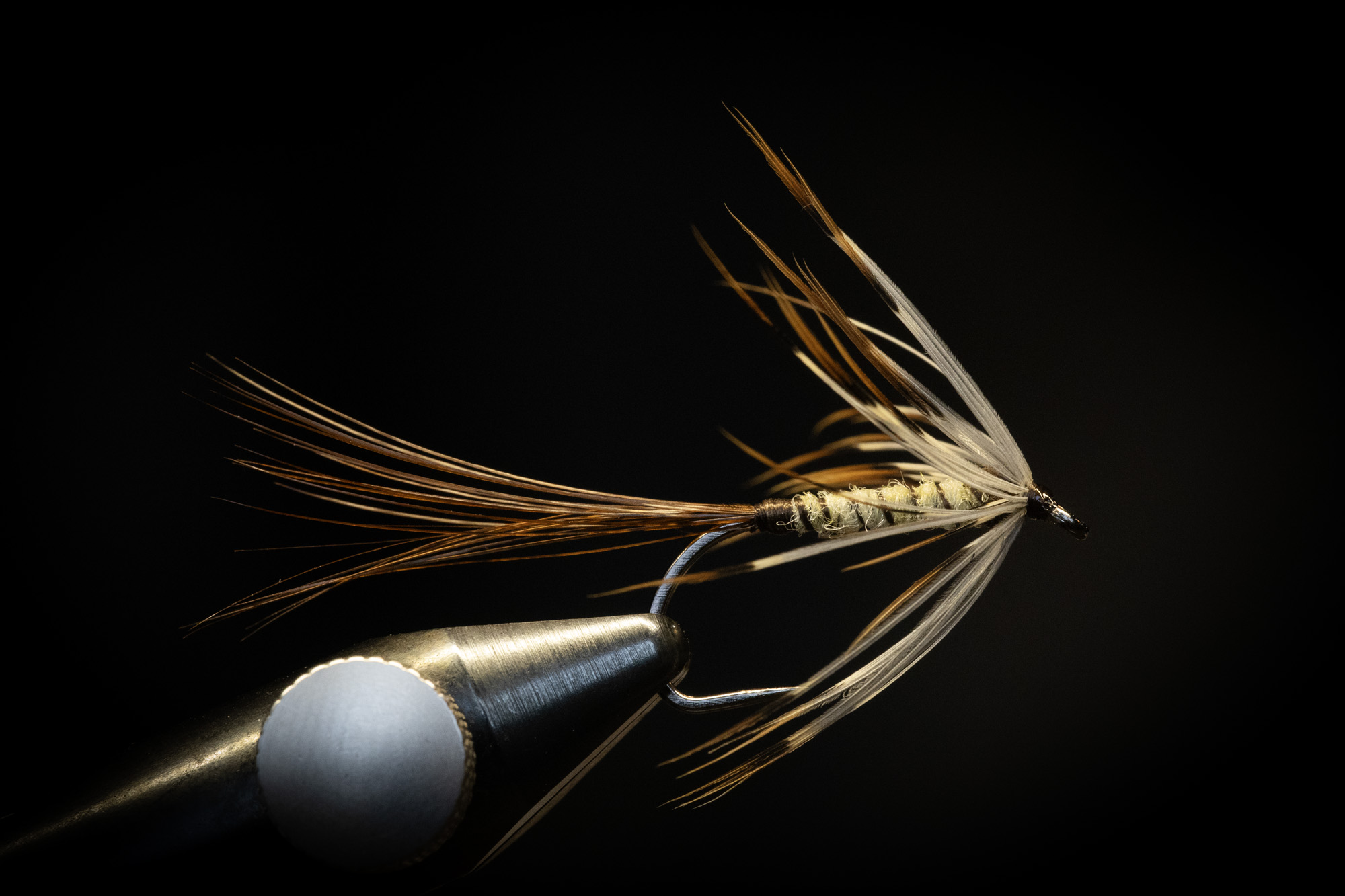
The French Partridge May Fly is one of the most famous traditional Irish wet flies, created to imitate the Mayfly that annually produces impressive hatches on the limestone lakes of Ireland. Despite its name, it is not a French model, but an Irish classic, getting its name from the use of French Partridge feathers.
This is an elegant and relatively simple fly that suggests the form and movement of Ephemera danica rather than imitating it precisely.
History of the fly
The history of the French Partridge May Fly begins in the 19th century on the famous Irish Loughs in western Ireland. During the mass hatching of mayflies (Ephemera danica), trout and especially large lake brown trout began to actively feed on both the emerging nymphs and the adults that fell to the water surface. Irish anglers noticed that a completely accurate imitation did not always bring the best results. Instead, the soft feathers of the partridge create an extremely natural movement under the water, which provokes the fish even when they are not actively feeding. This is how the French Partridge May Fly appeared - a pattern that soon became an indispensable part of the boxes of anglers on lakes such as: Lough Corrib Lough Mask Lough Conn Lough Carra. In the first half of the 20th century, the fly was already present in almost all catalogues with classic Irish patterns.
Original tying materials
The classic option usually includes:
- Hook: traditional wet hook #8–12
- Thread: yellow or light brown
- Tail: pheasant or partridge hair
- Body: yellow or cream natural dubbing
- Pisces: fine gold wire
- Hackel: soft feather from a French partridge
- Head: thread, varnished
The main distinguishing feature is the soft hackle, which "breathes" with every movement in the water.
Dry Fly Variant
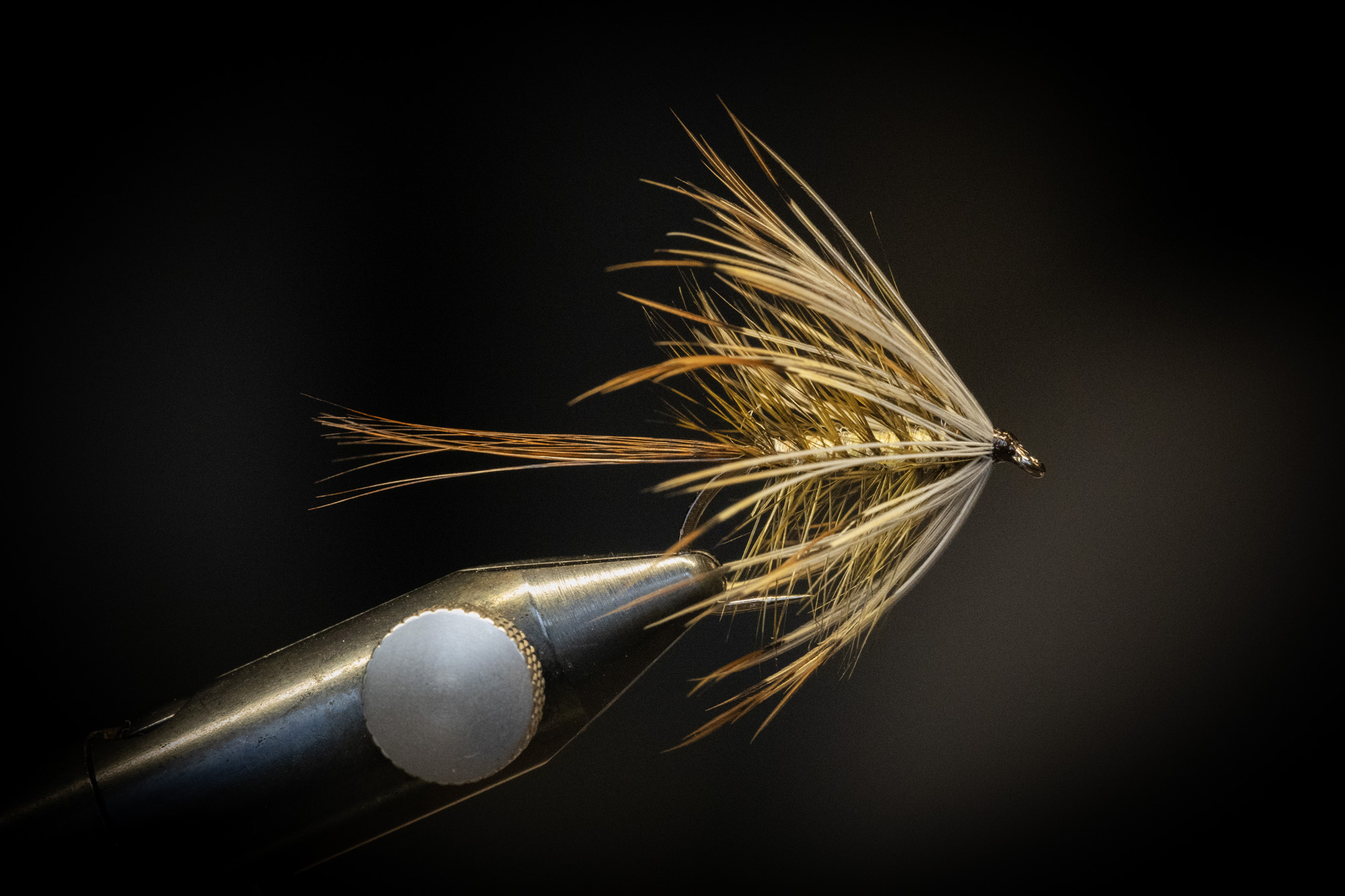
A palmered hackle variation can easily convert the pattern into a highly effective dry fly
CDC Variant
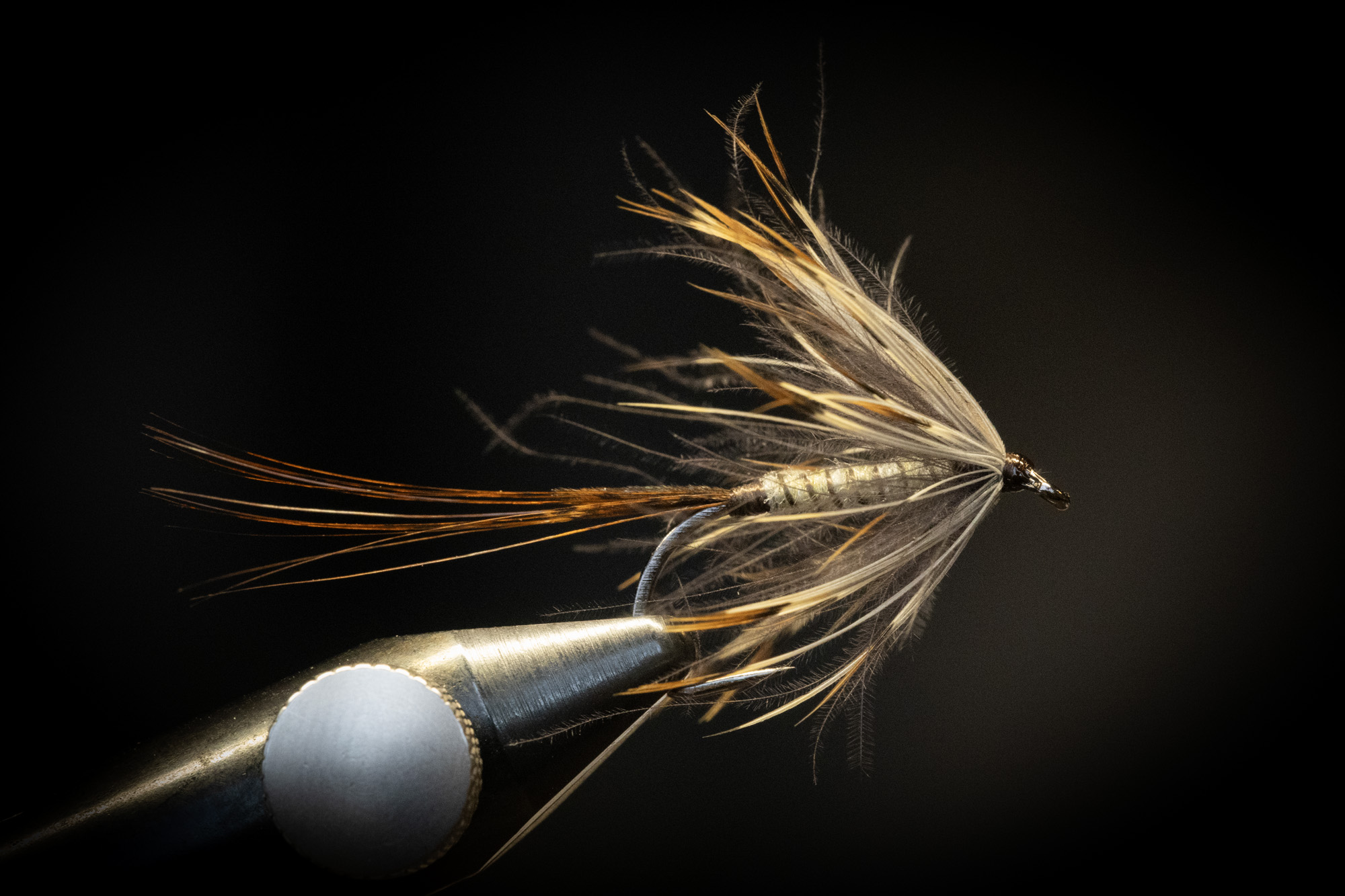
Under the French partridge hackle you can twist a CDC single feather hackle and this way the fly also becomes dry.
Interesting facts
- The name French Partridge refers to the feathers, not the origin of the fly.
- This is one of the most recognizable classic Irish wet flies.
- In many old books, the model is recommended as a must-have for the Mayfly period.
- Some modern fly-timberers consider it one of the most beautiful traditional Irish flies.
Conclusion
The French Partridge May Fly exemplifies the philosophy of the old Irish masters – it is not perfect anatomical imitation but natural movement in the water that makes a fly successful. More than a century after its creation, it continues to be valued both as an effective fishing pattern and as part of the rich heritage of classic European fly tying.