

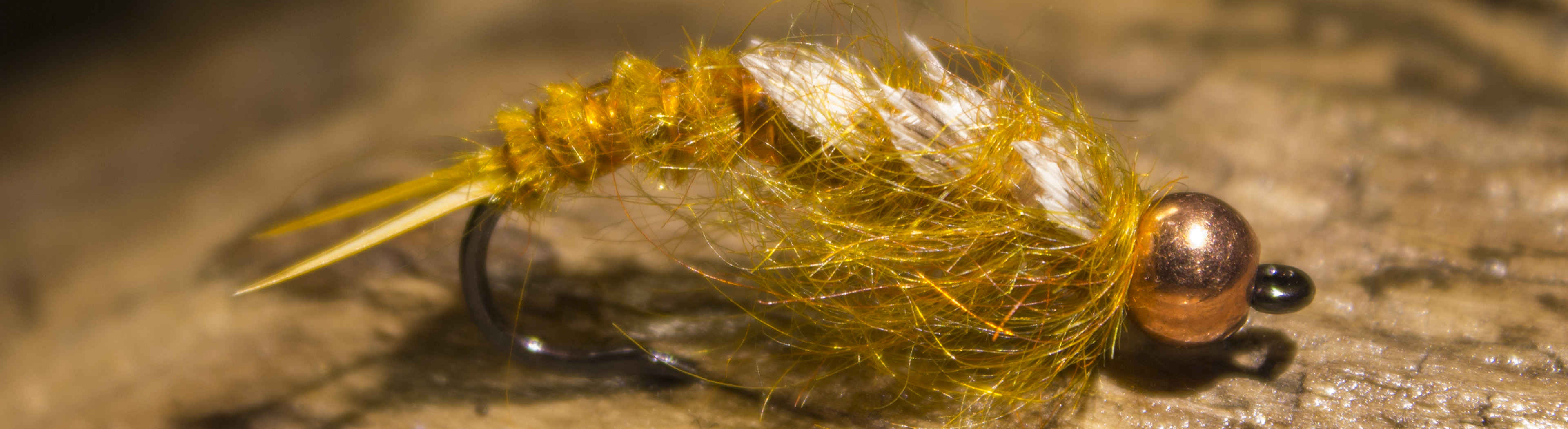
Fly Tying Dubbing
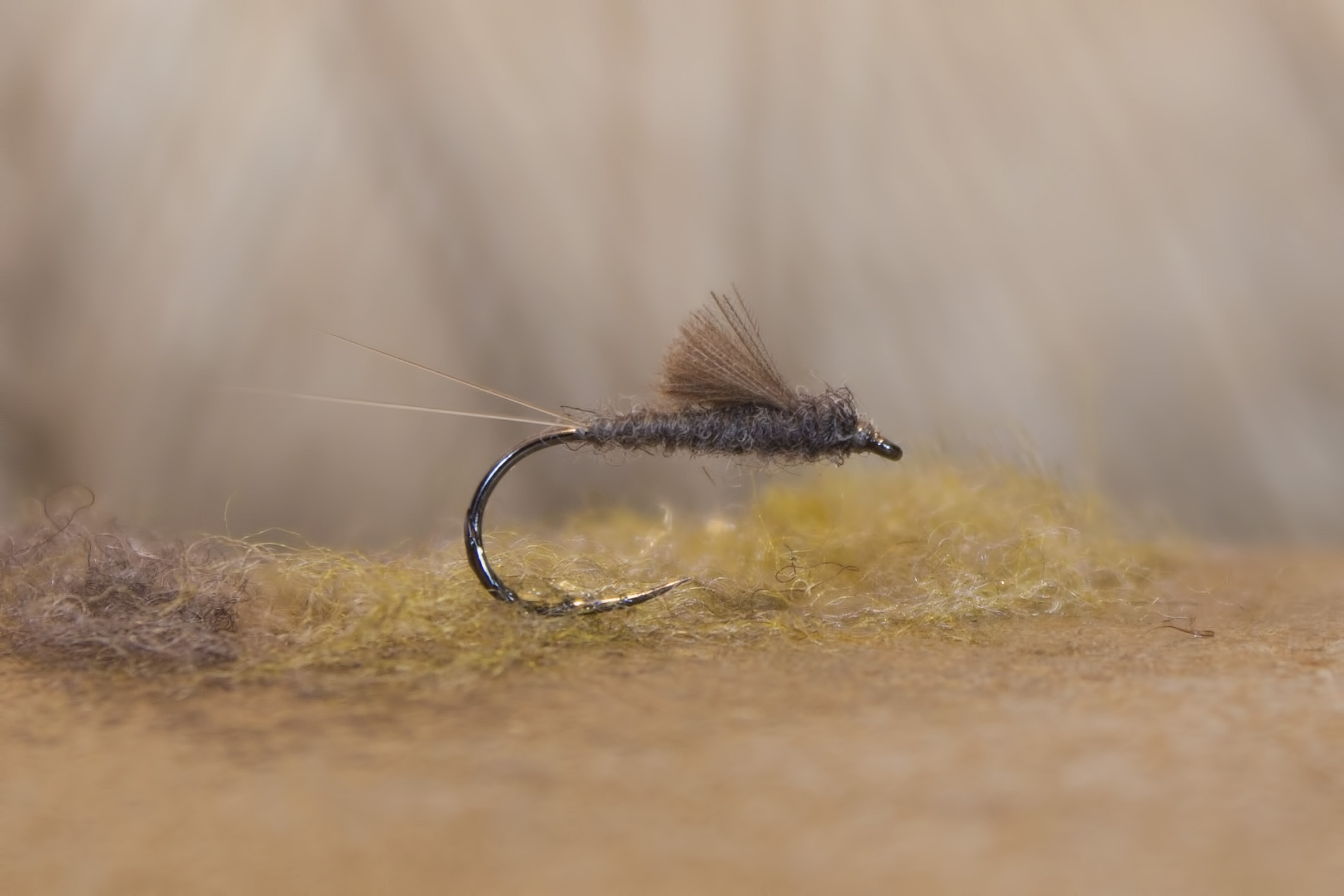
Dubbing is one of the main materials in fly tying and is used to build the bodies of artificial flies. Its main function is to create volume, texture and a realistic silhouette that imitates natural insects in the aquatic environment.
Thanks to its structure, dubbing allows control over the thickness, density and appearance of the fly's body, making it indispensable for both classic and modern models.
Dubbing is a material that underlies a huge portion of nymphs, dry flies, emergers, and streamers, and often determines not only the appearance, but also the behavior of the fly in the water.
Made from the furs of various animals
Used for the bodies and heads of most artificial flies, the variety is huge - it can be very fine or coarser, in a huge palette of colors
- Dubbing from the fur of rabbit, squirrel, hamster, mole, muskrat, possum, nutria, beaver
- Dubbing from the fur of a seal, llama, camel, deer
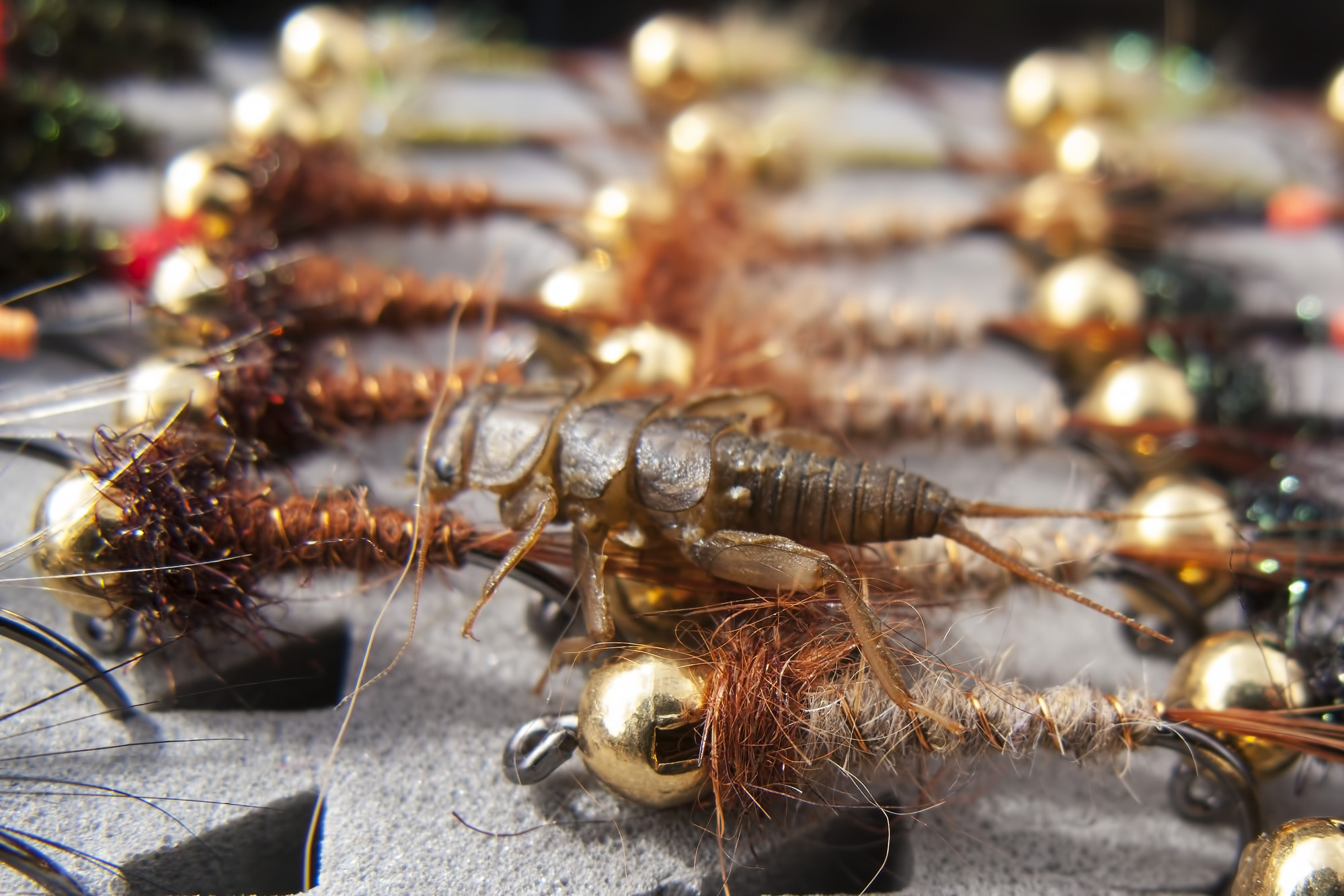
Дъбинг за муховръзване


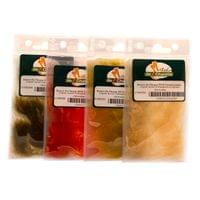
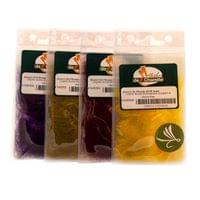


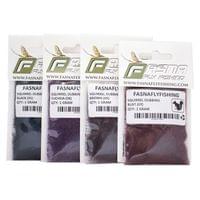
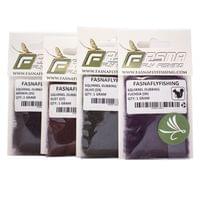


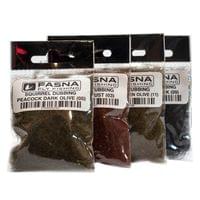
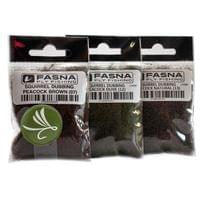


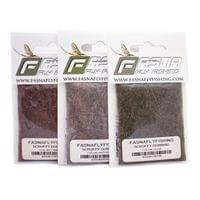
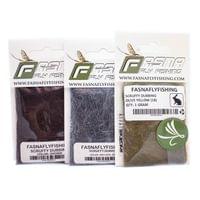


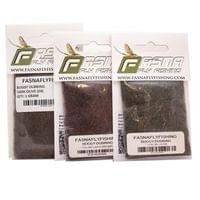
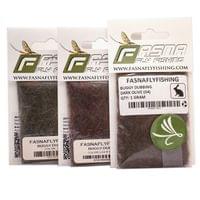


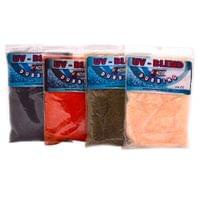
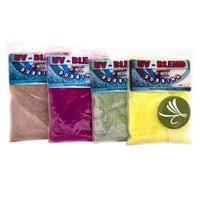


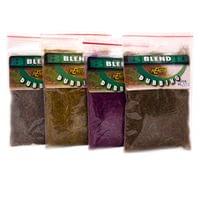
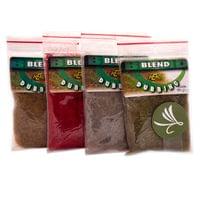


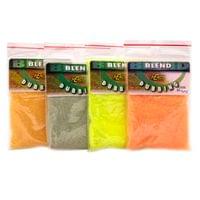
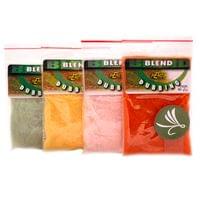


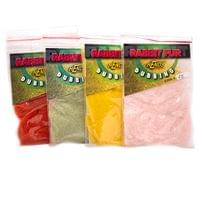
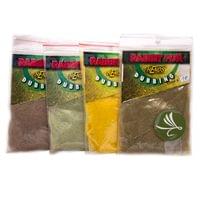


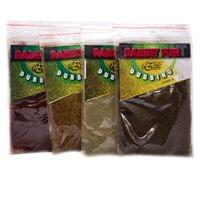
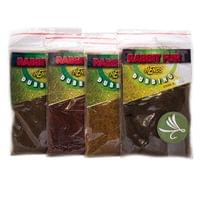


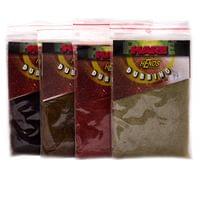
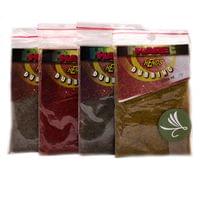


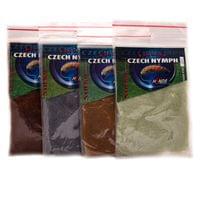
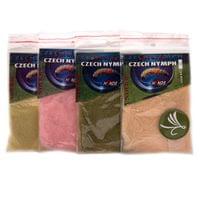


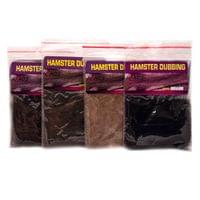
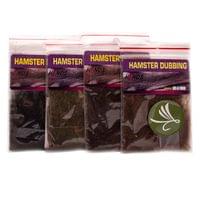


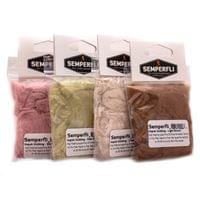
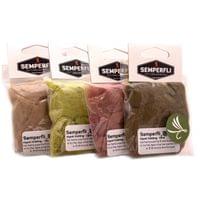


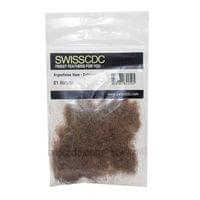
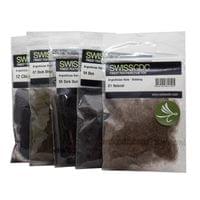


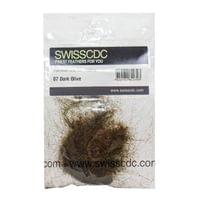
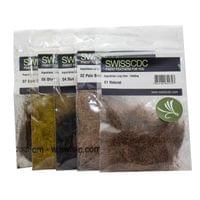




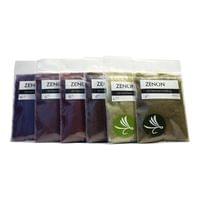


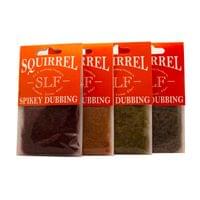
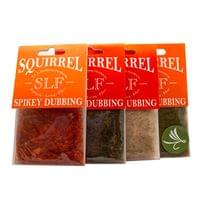


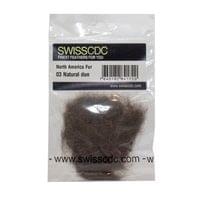
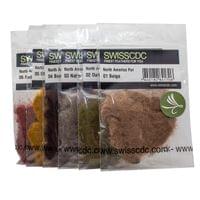


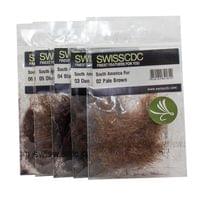


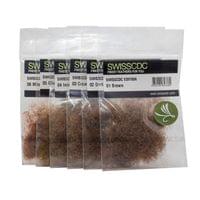


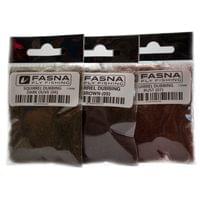
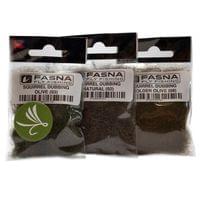


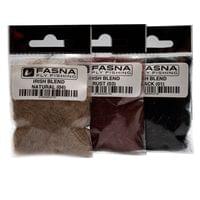
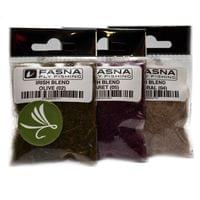


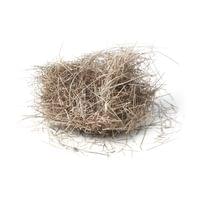
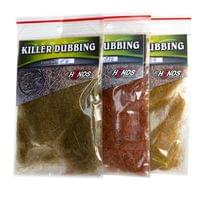
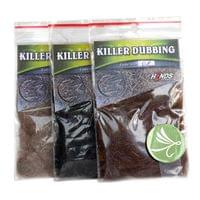



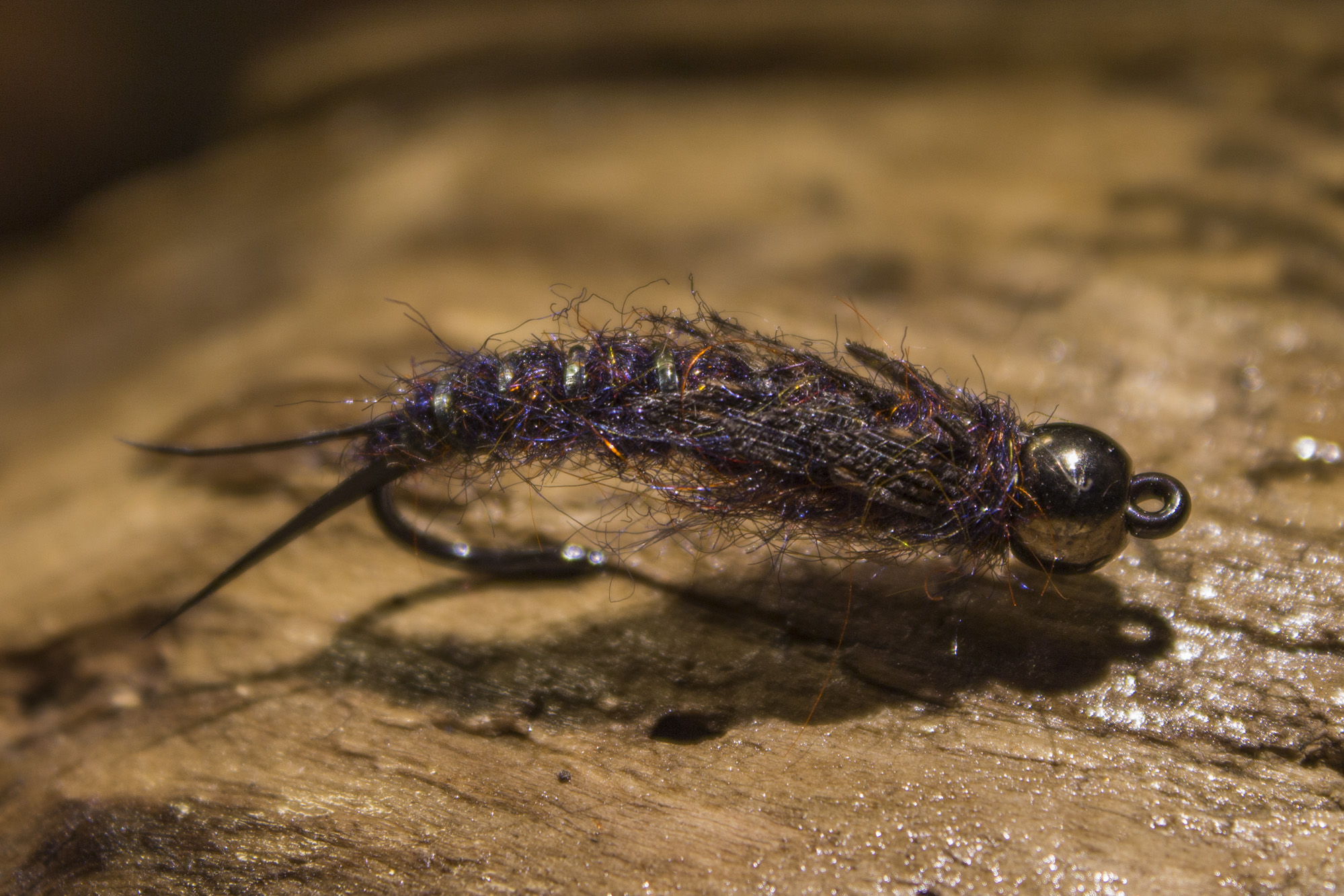
As well as the natural one, it is used for the bodies and heads of a great many flies
It can be used both alone and in combination with natural dubbing
- Superfine, Spectra, Peacock
- UV and Ice дъбинг
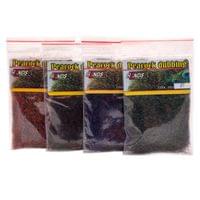
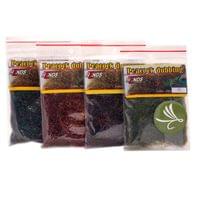


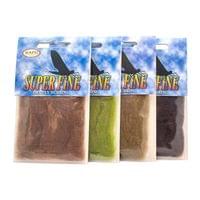
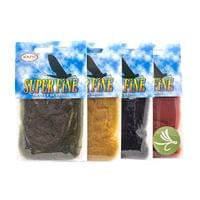


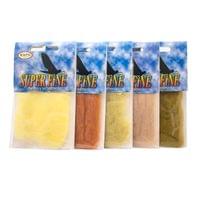
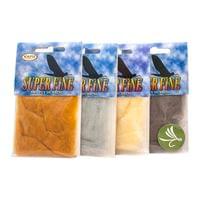


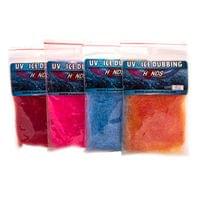
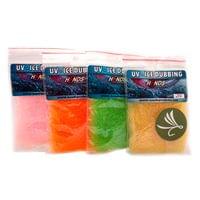


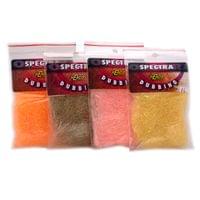
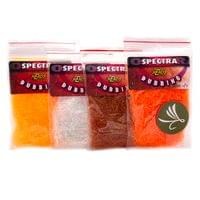


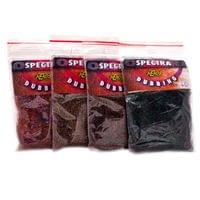
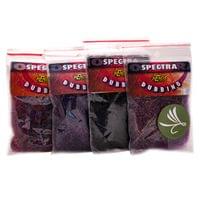


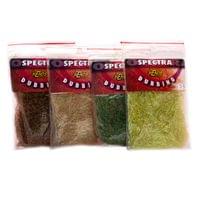
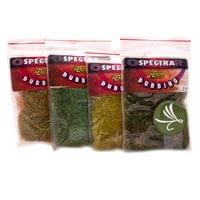


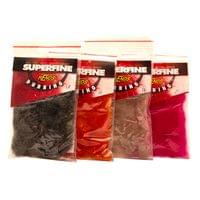
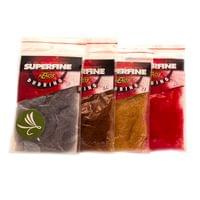


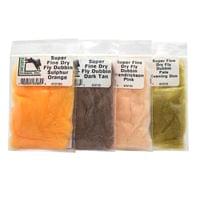
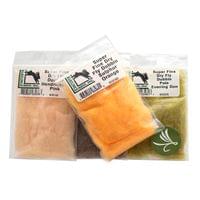


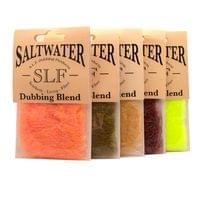
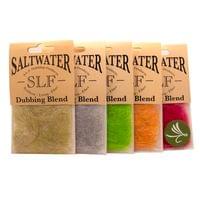


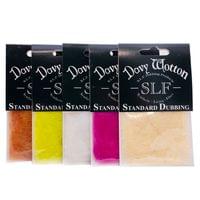
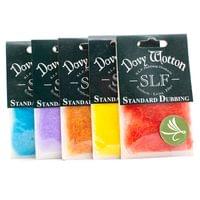


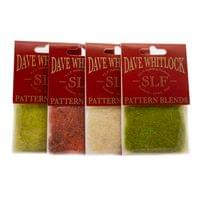
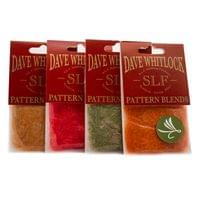


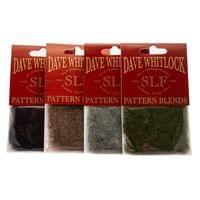
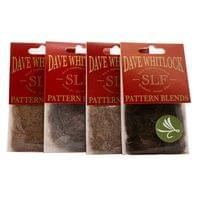


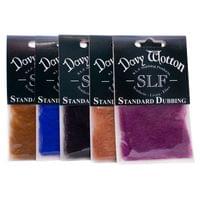
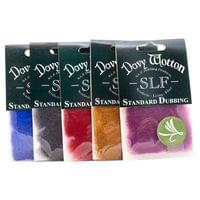


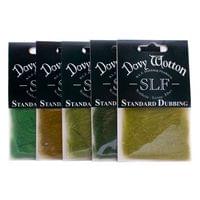
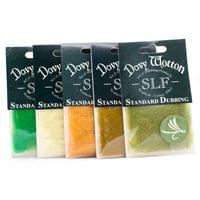


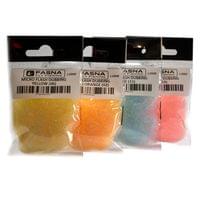
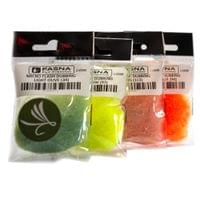


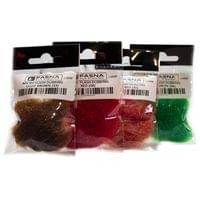
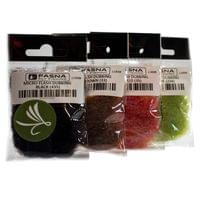


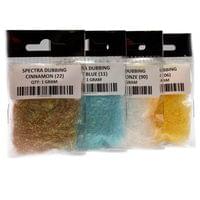
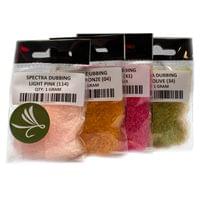


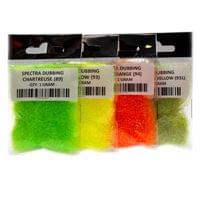
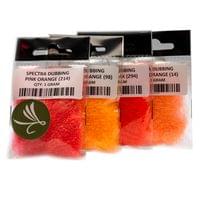


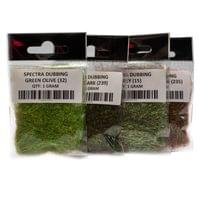
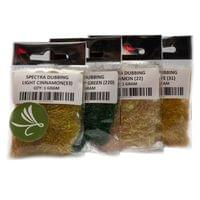


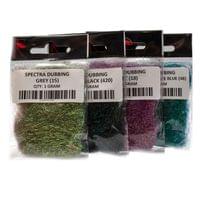
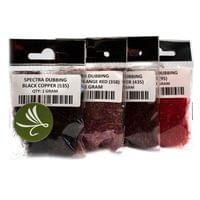


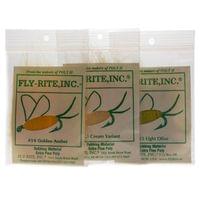
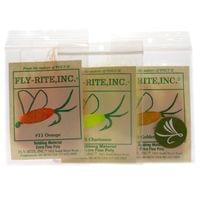


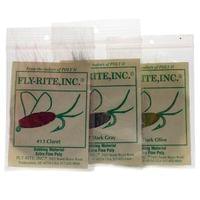
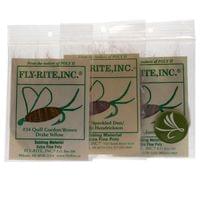


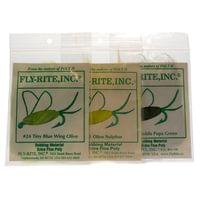
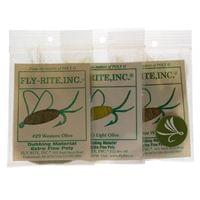


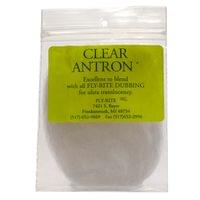
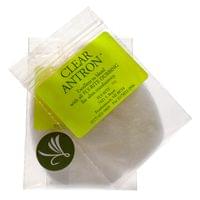
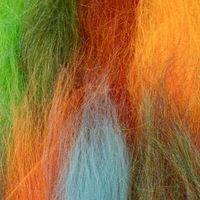
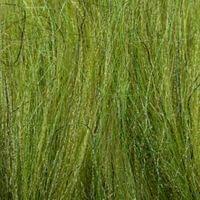
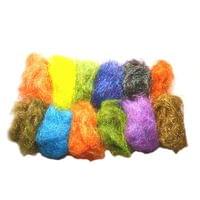
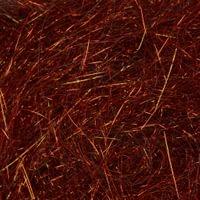
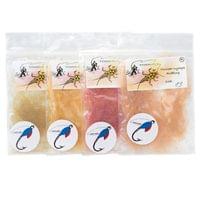
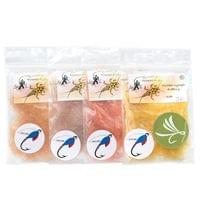


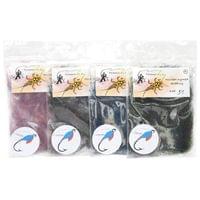
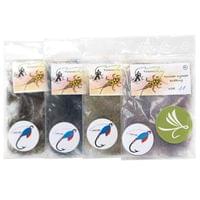


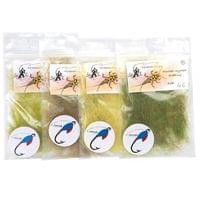
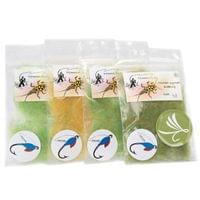


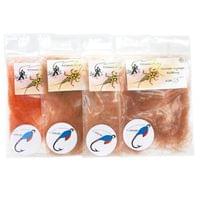
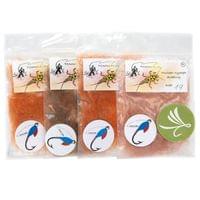


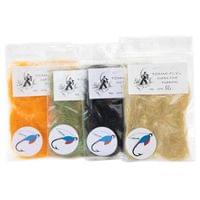
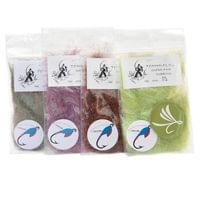



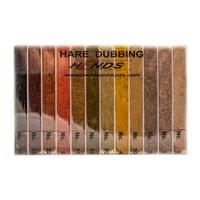
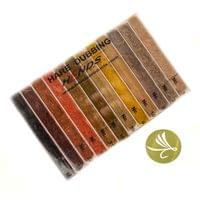
The most convenient way to use dubbing
Natural or artificial, fine or coarse, UV Ice
- Естествени или изкуствени, фини или груби, UV Ice
- Dark or light
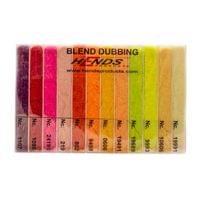
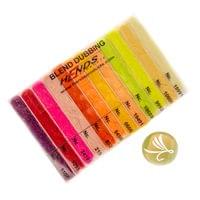
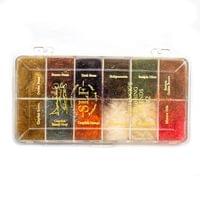
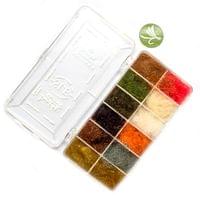
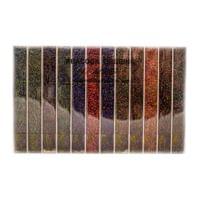
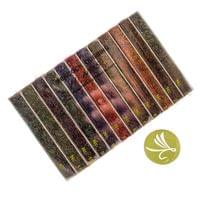
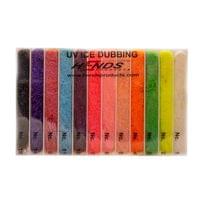
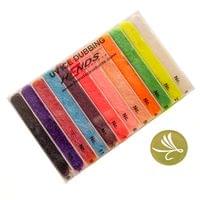
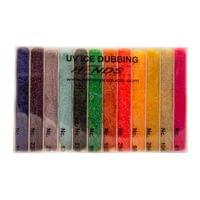
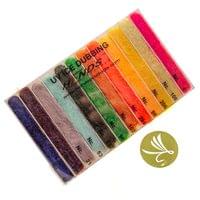
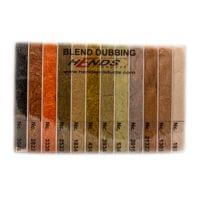
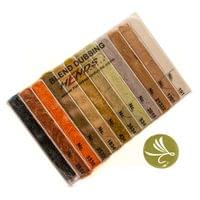
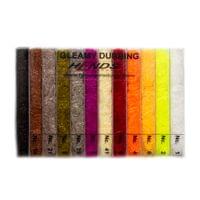
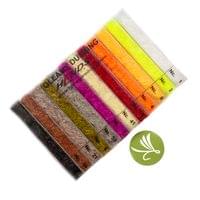
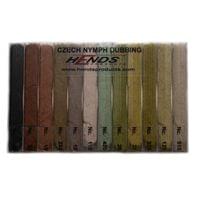
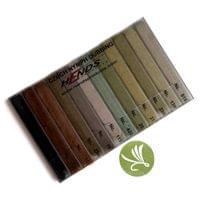
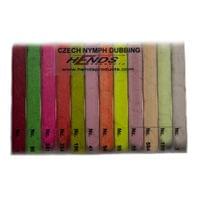
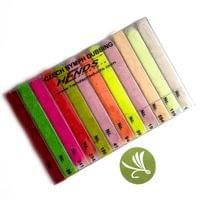
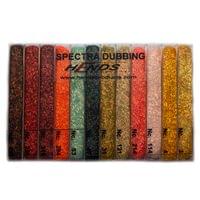
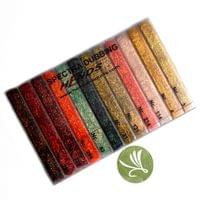
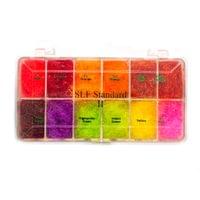
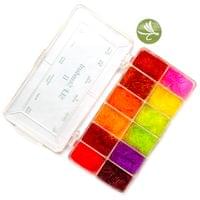
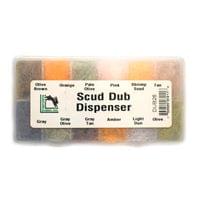
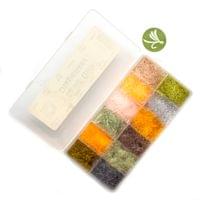
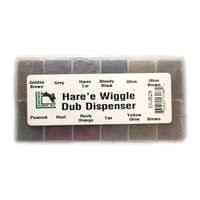
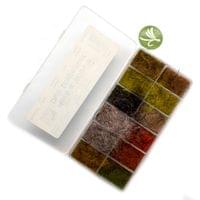
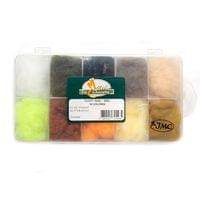
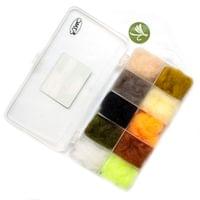
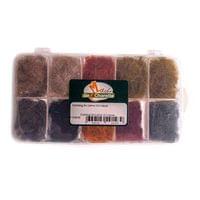
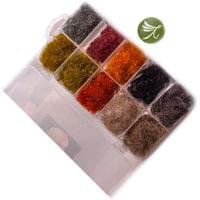
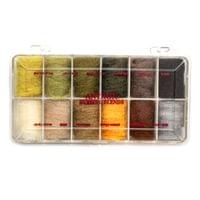
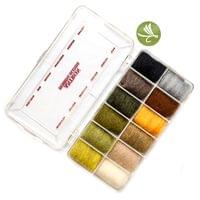
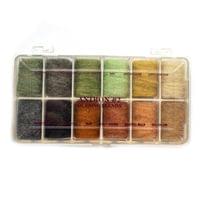
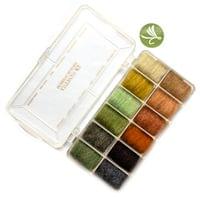
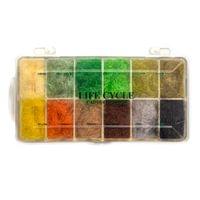
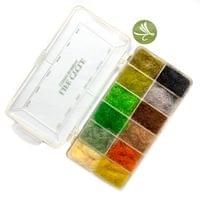
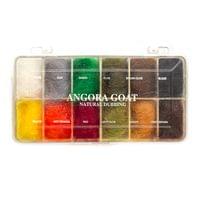
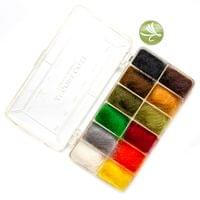
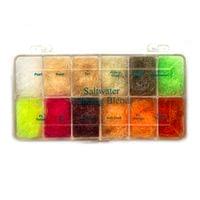
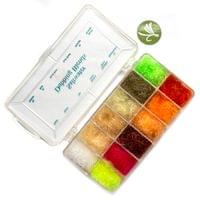
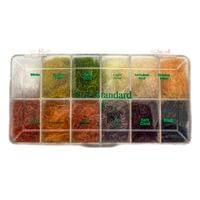
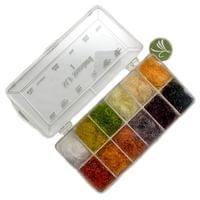
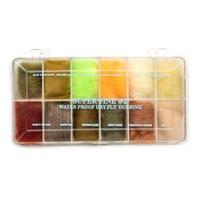
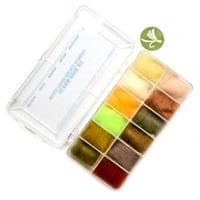
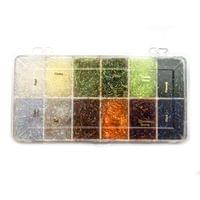
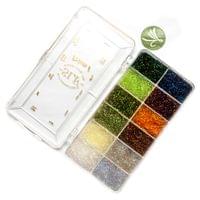
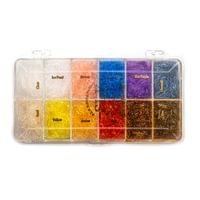
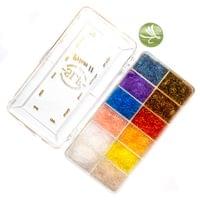
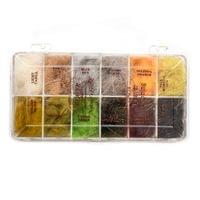
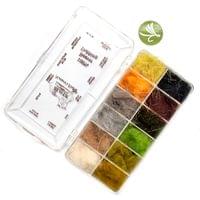
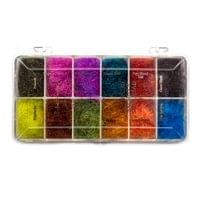
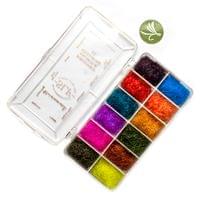
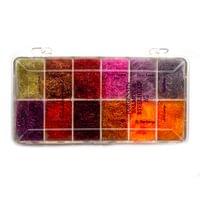
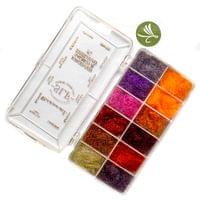
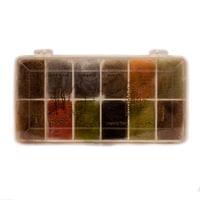
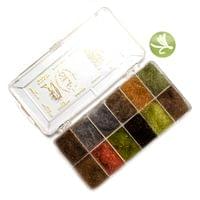
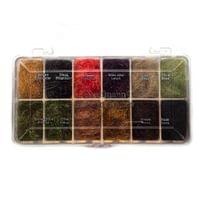
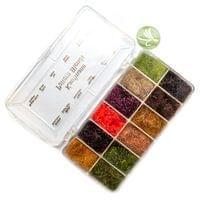
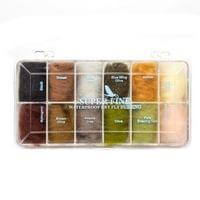
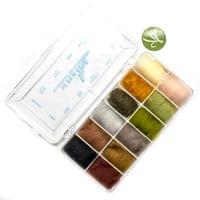
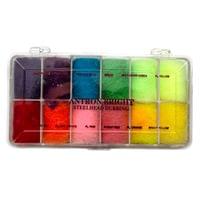
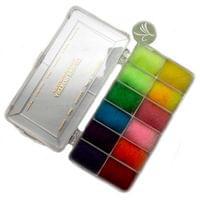
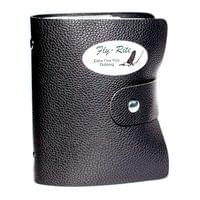
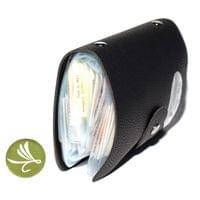

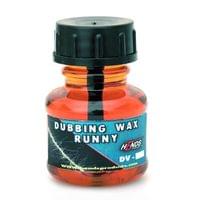
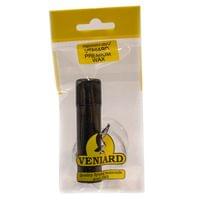
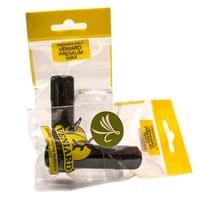
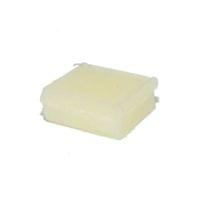
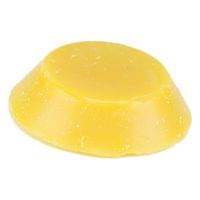
A useful consumable when using dubbing
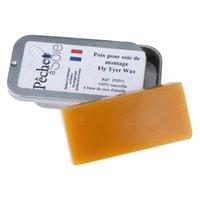
Rubbing the thread with wax helps the dubbing stick and twist it around the thread more easily
- There are different types - softer and harder
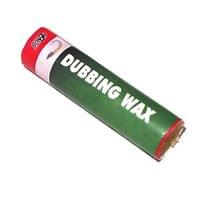
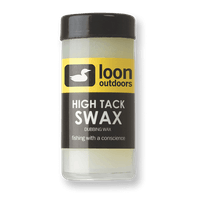
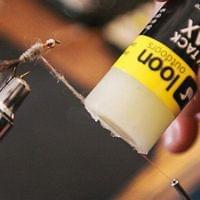
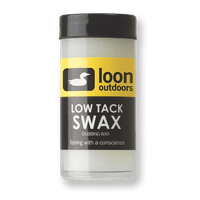
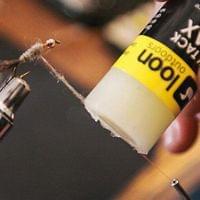
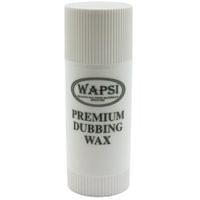
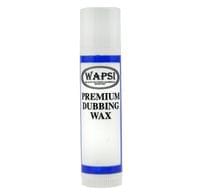
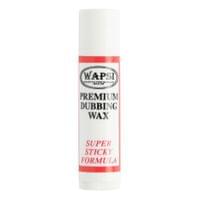
Application in fly tying
Dubbing is used in almost all types of artificial flies:
The right choice of dubbing directly affects:
How to choose the right dubbing?
The choice depends on several key factors:
👉 Thicker and heavier versions are used with nymphs and streamers
👉 Finer and lighter dubbings are suitable for dry flies and emergers
Dubbing works best as part of a fly tying material system. It is combined with:
How to choose the right dubbing?
For the complete system, also check out the "Fly Tying" categories and the other materials in the section.