


Synthetic Materials for Fly Tying
Synthetic materials represent the modern side of fly tying, designed to complement or replace natural materials by offering greater control over color, structure, durability, and behavior in water.
Unlike natural materials, synthetics allow consistent and repeatable results, making them highly valuable for both beginner and advanced fly tyers.
Main Categories of Synthetic Materials
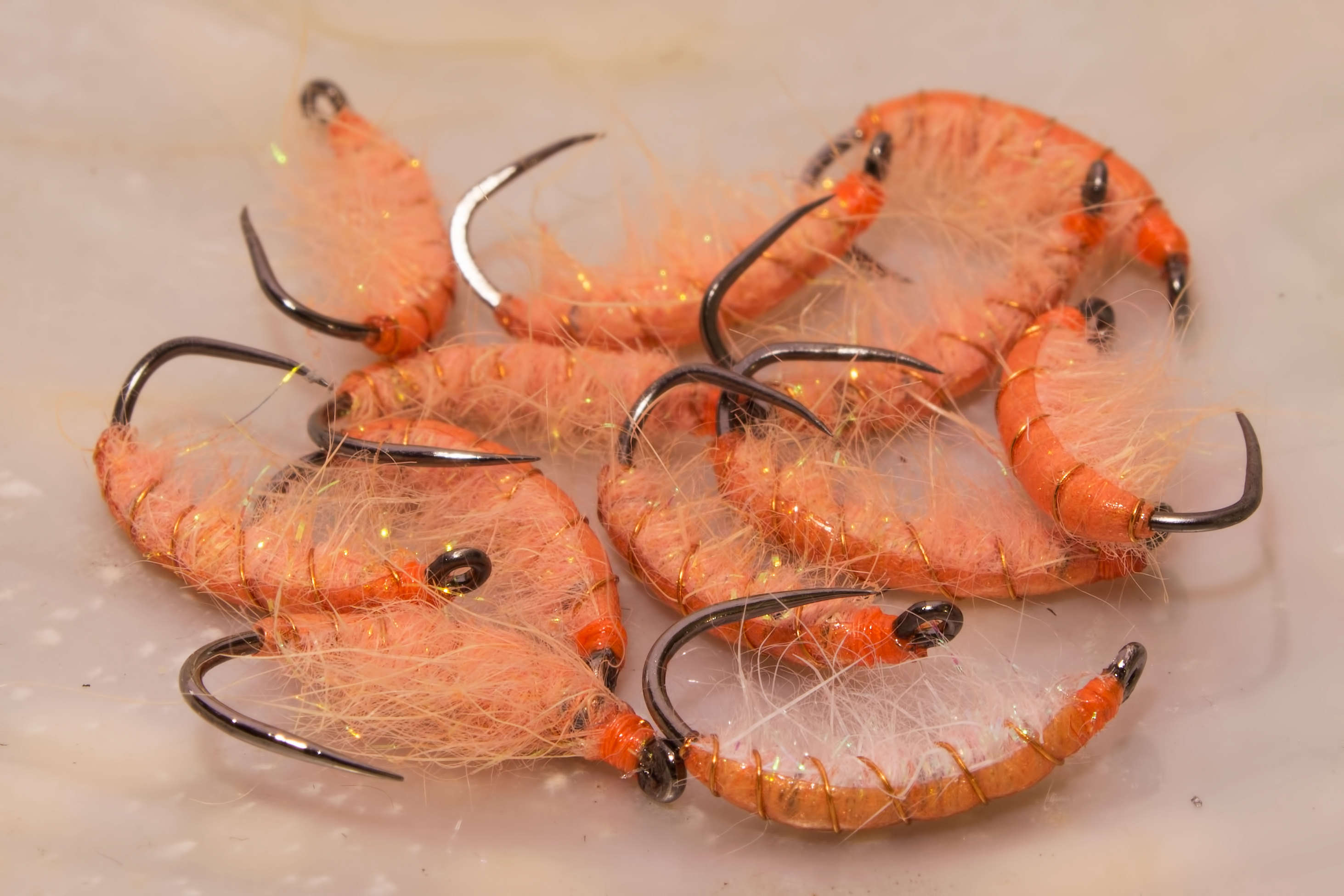
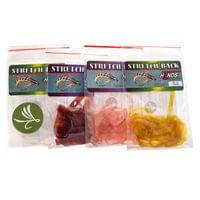
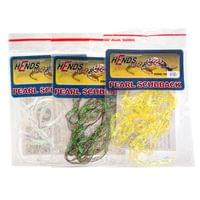
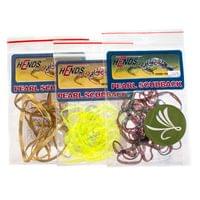
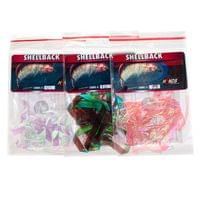
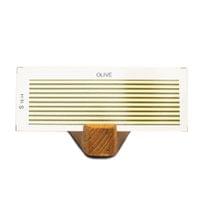
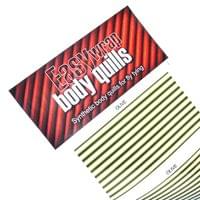
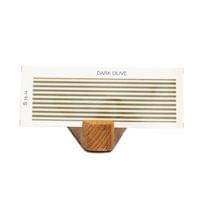
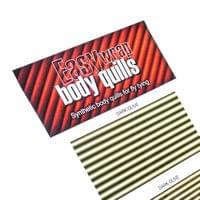
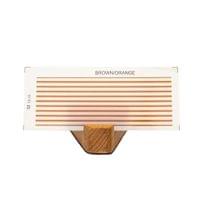
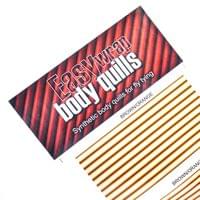
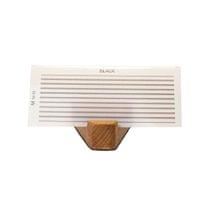
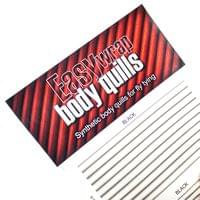
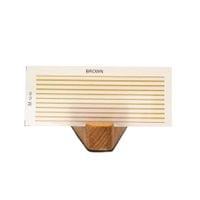
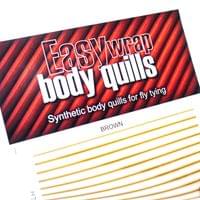
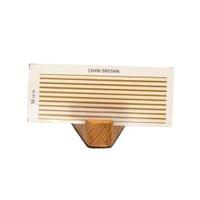
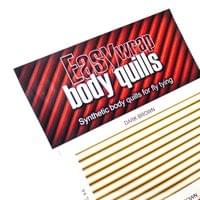
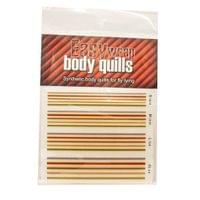
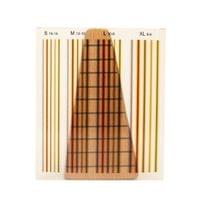
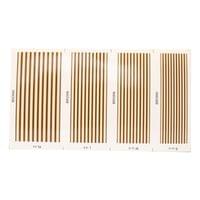
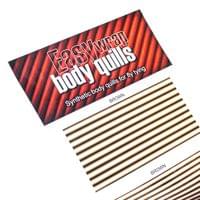
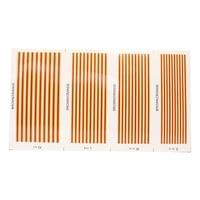
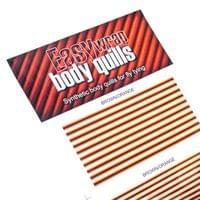
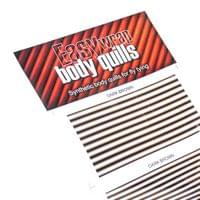
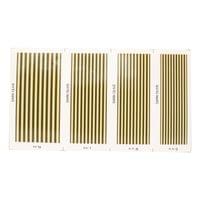
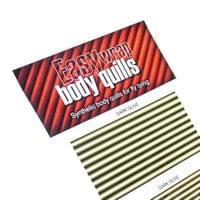
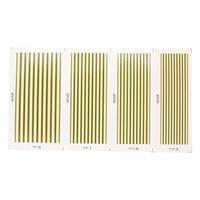
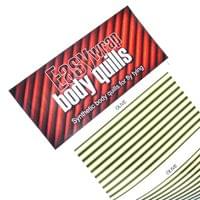
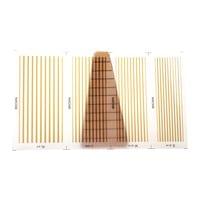
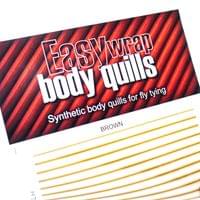
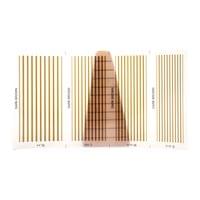
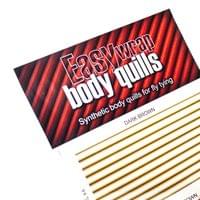
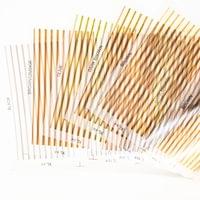
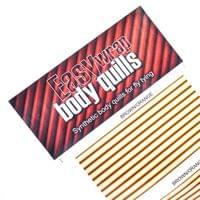
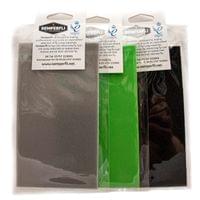
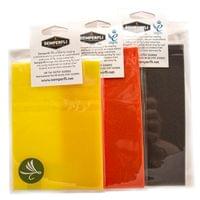
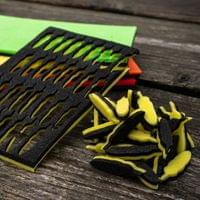
Bodies, tails, legs, backs - The elements of many artificial flies are made from synthetic materials
The choice and variety is huge
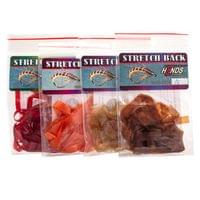
- Backs of nymphs, beetles and shrimp
- Tails and bodies of dry flies, emergers and nymphs
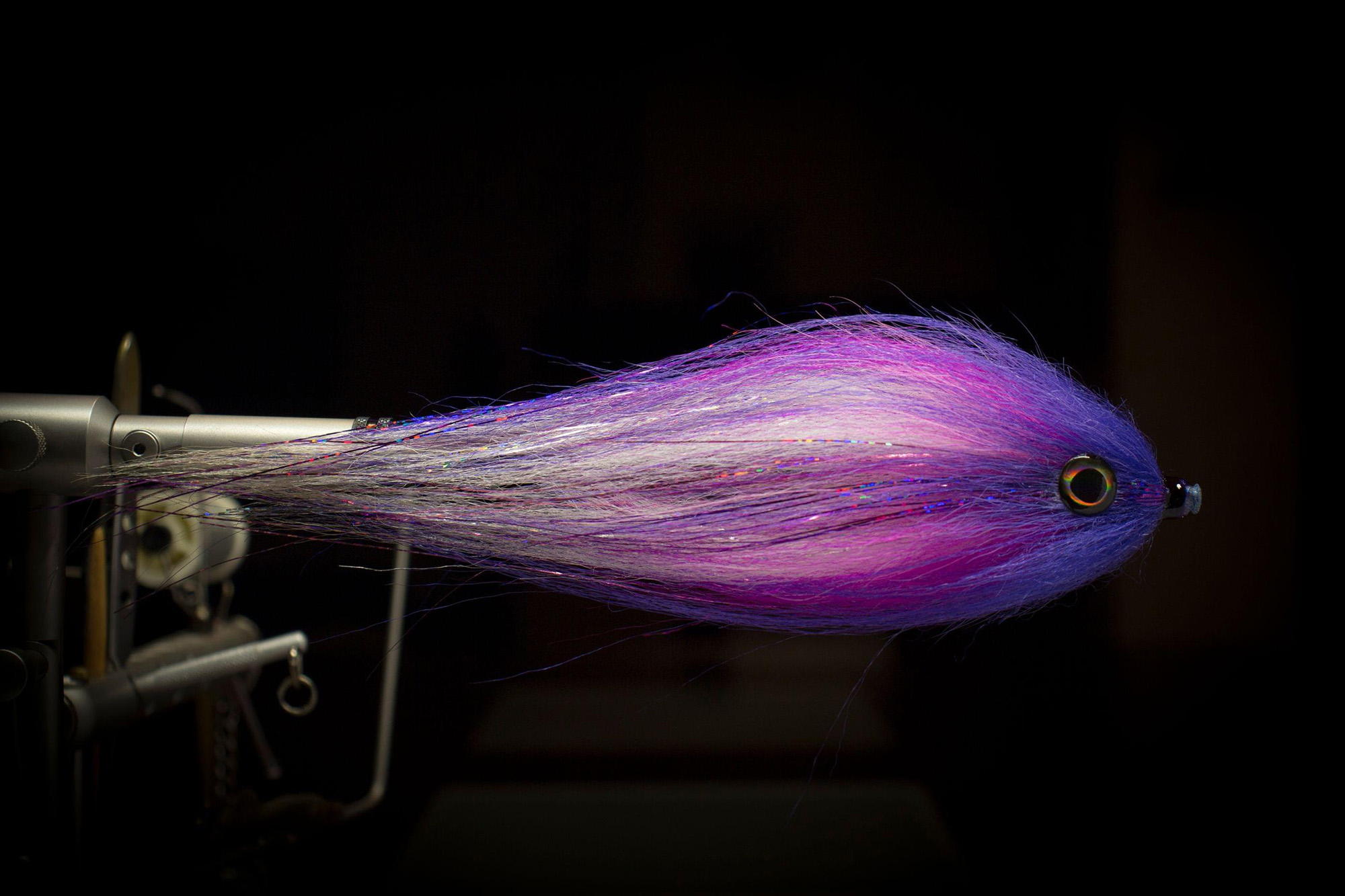
- Legs of various flies, bodies of streamers
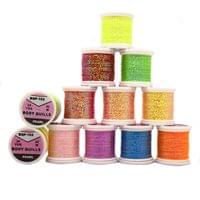
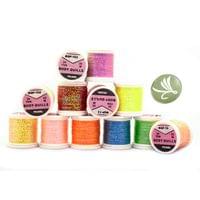


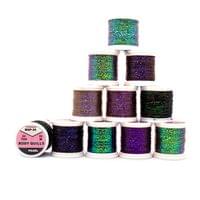
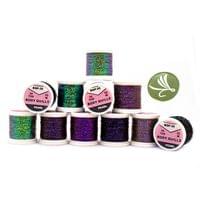


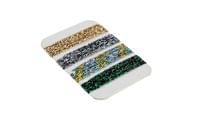
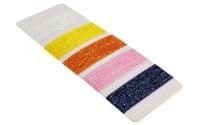
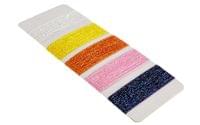
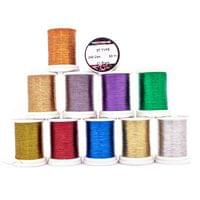
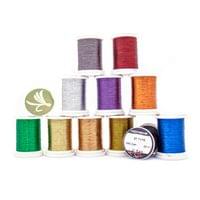


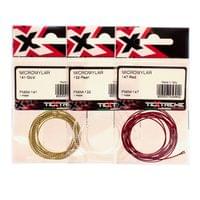
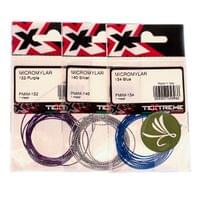


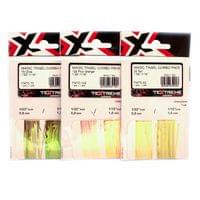
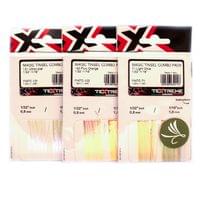


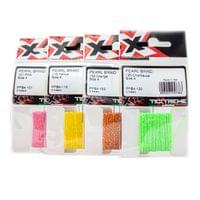
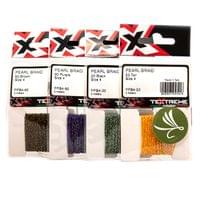


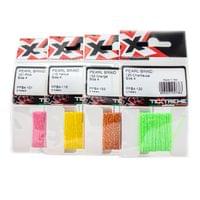
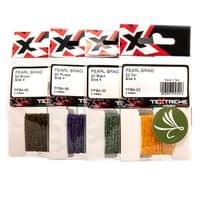
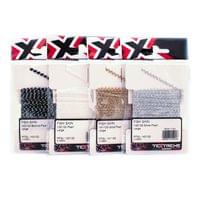
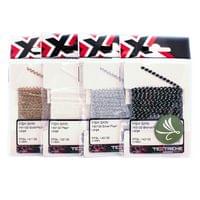


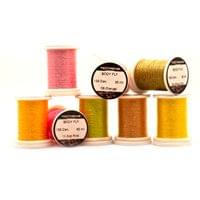
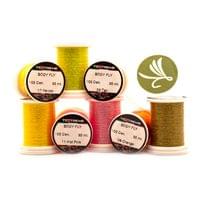


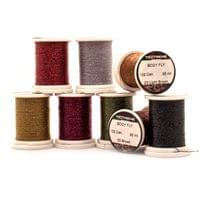
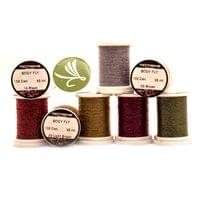


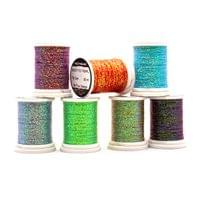
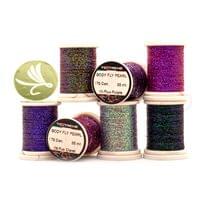


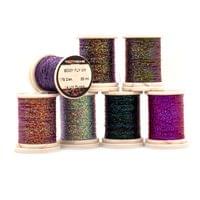
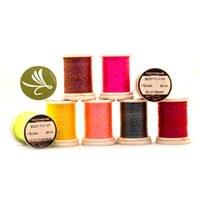


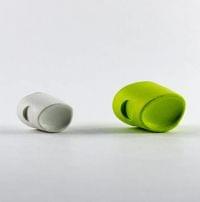
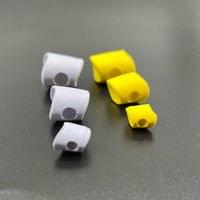
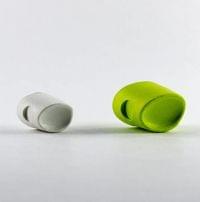
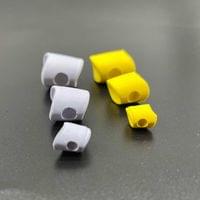


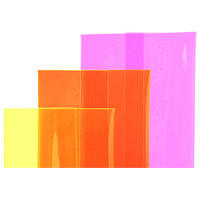


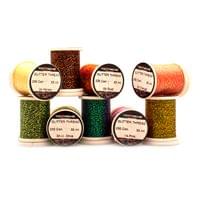
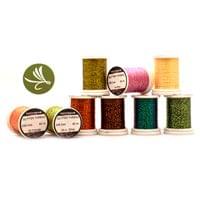


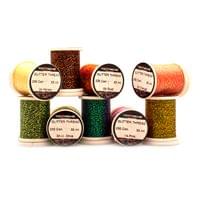
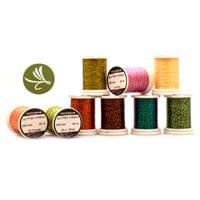


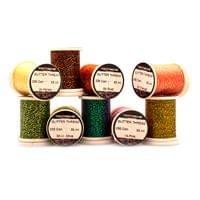
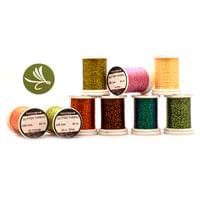


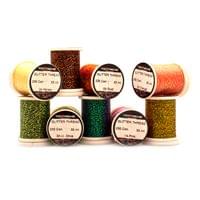
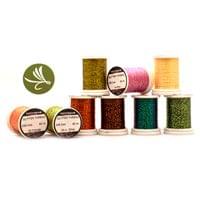


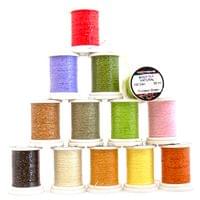
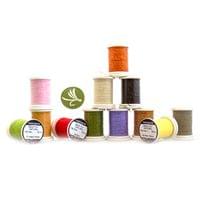


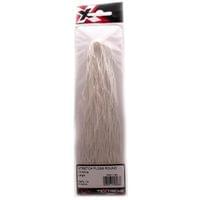

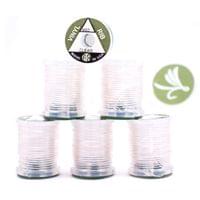
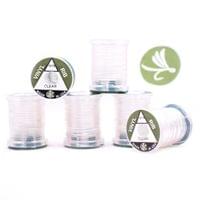
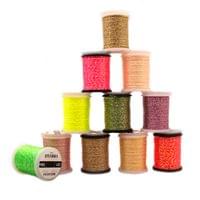
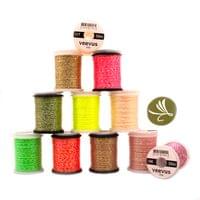


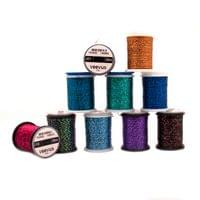
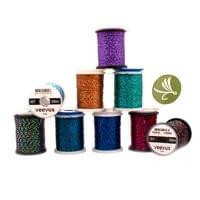


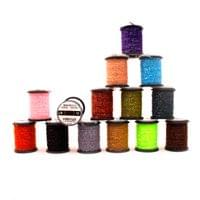
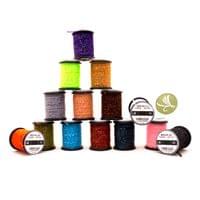


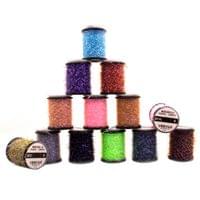
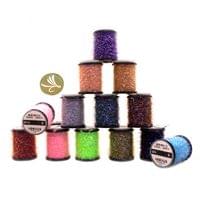


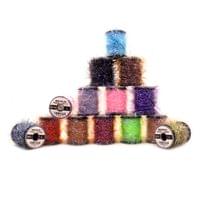
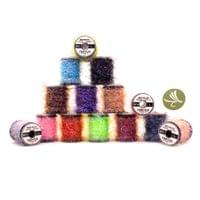
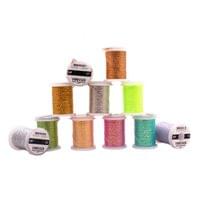
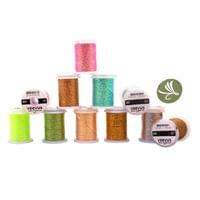


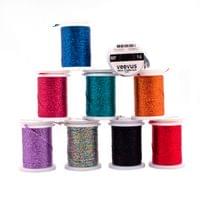
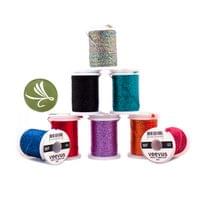


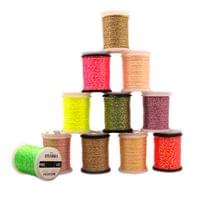
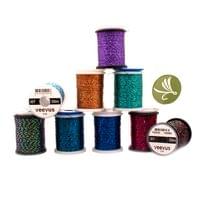


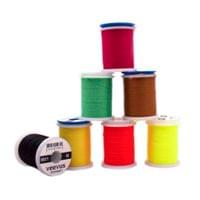
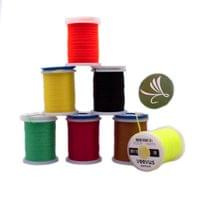
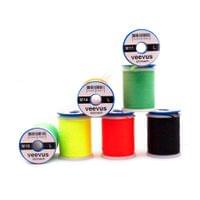
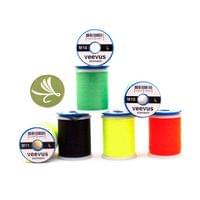
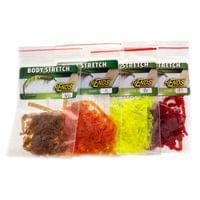
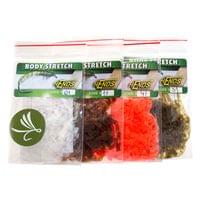


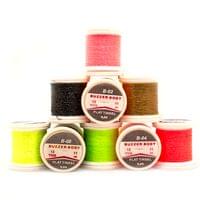
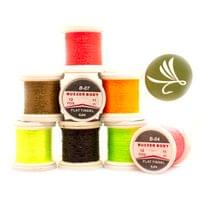


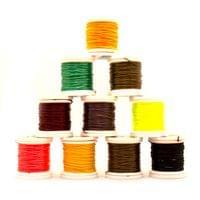
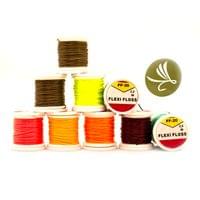


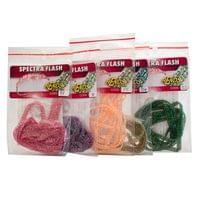
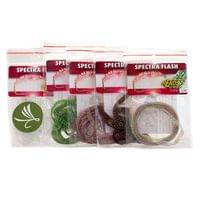


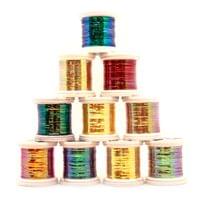
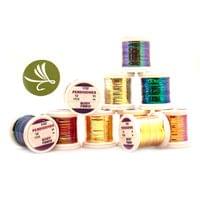


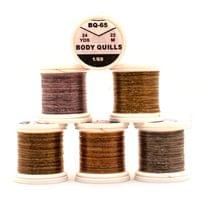
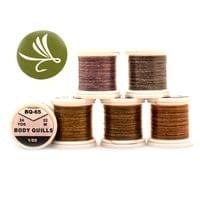


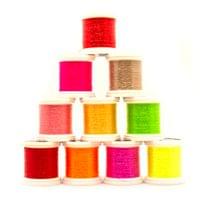
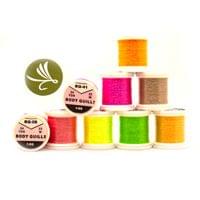


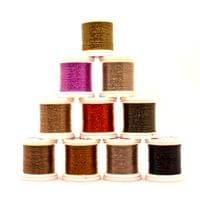
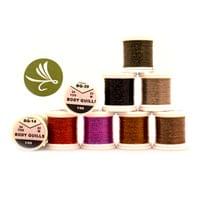






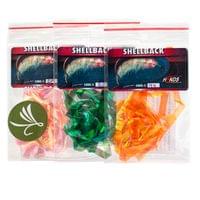


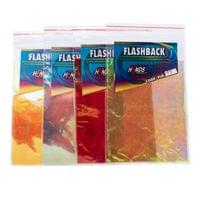
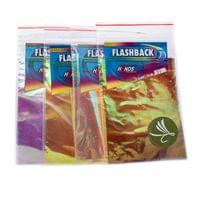


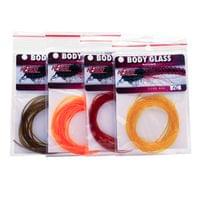
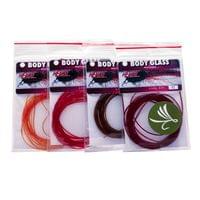


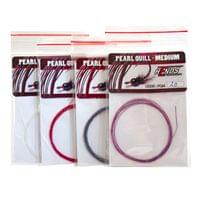
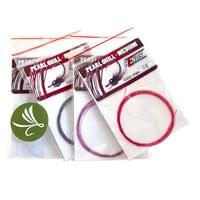




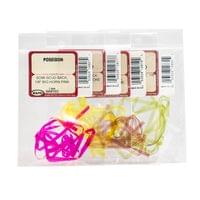
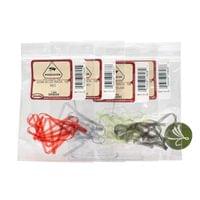


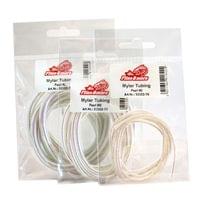
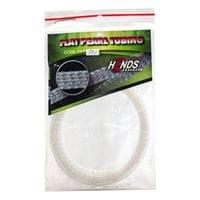


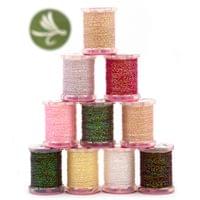


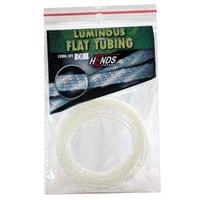
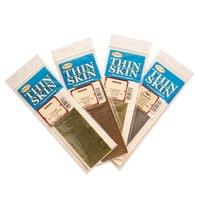
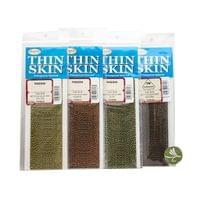


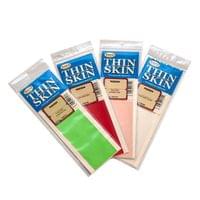
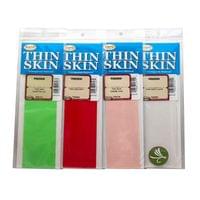


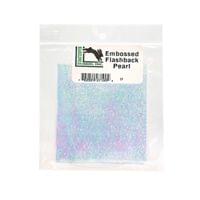
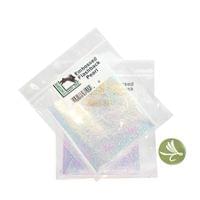
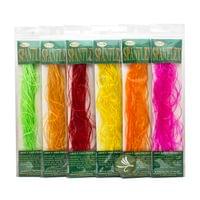
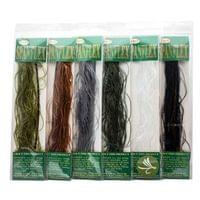


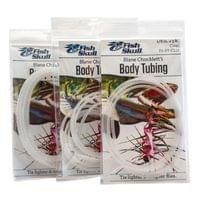
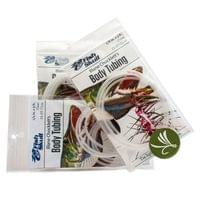
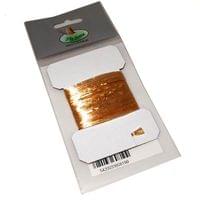


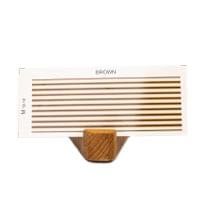
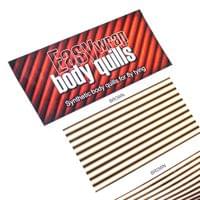
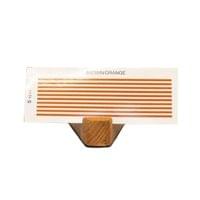
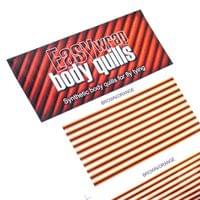
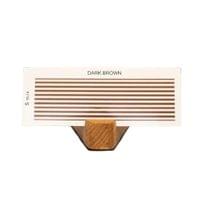
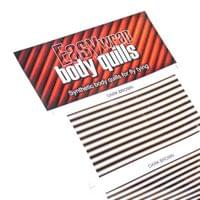
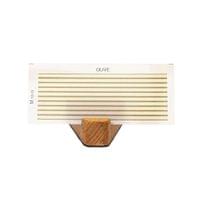
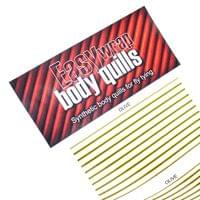
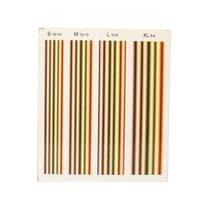
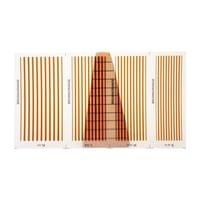
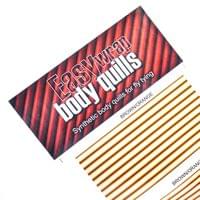
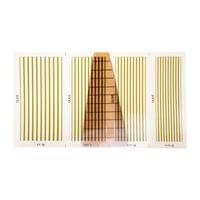
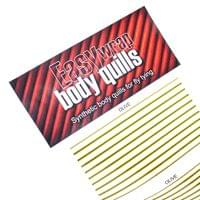
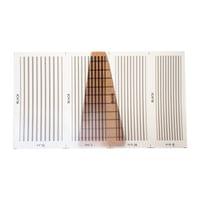
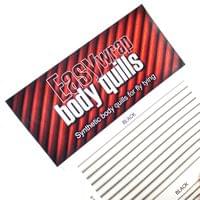
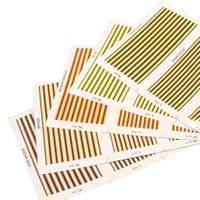
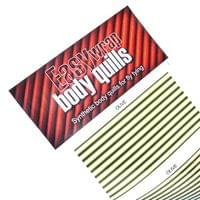
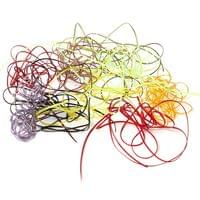


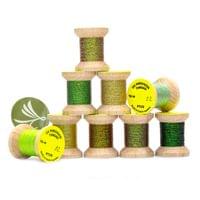


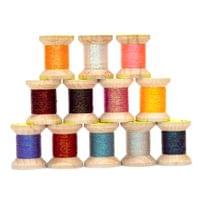
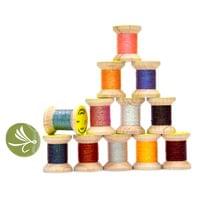


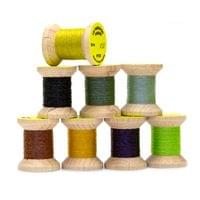
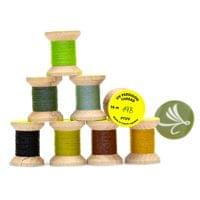
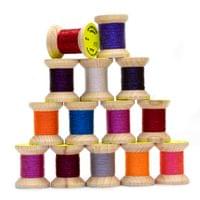
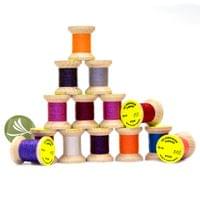
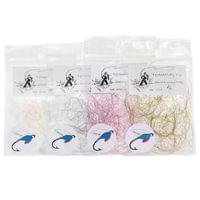


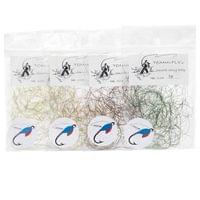


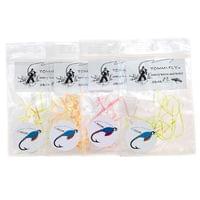
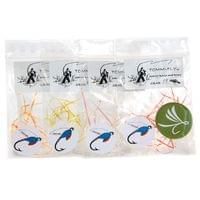


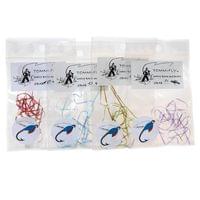
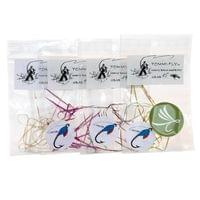


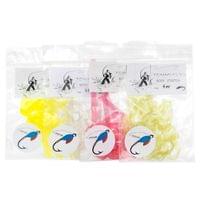
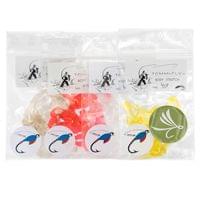


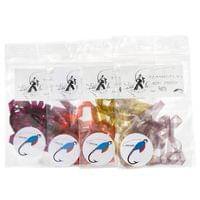
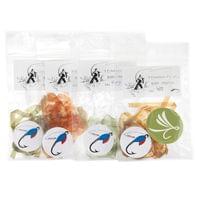


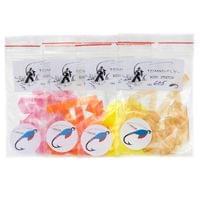
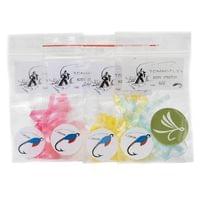


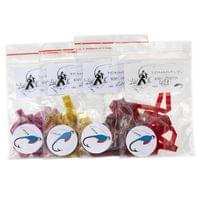
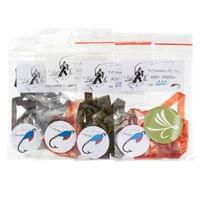
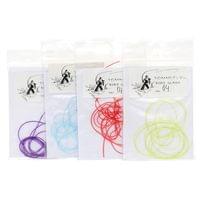
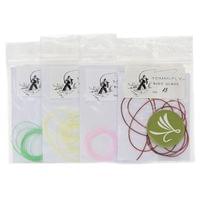


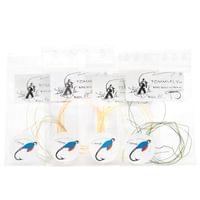
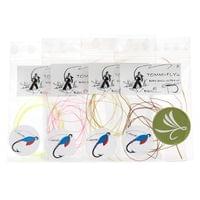


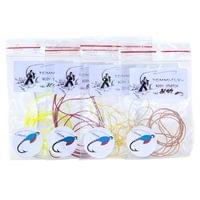
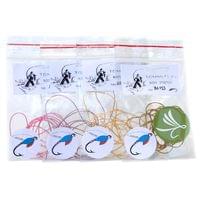


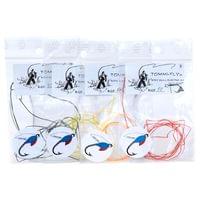
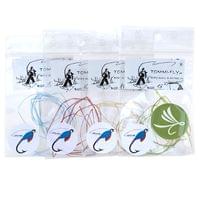


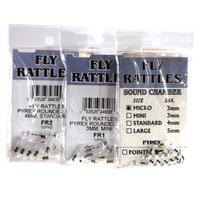
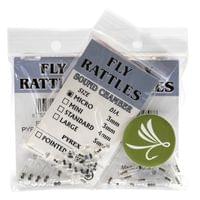
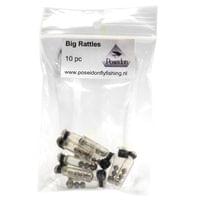

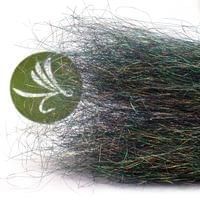
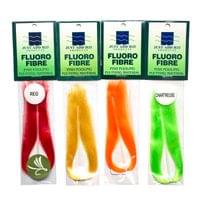
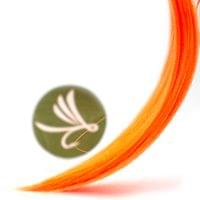
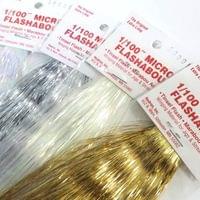
Flash materials - Indispensable materials for a huge number of flies
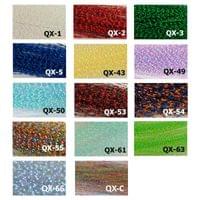
Different flash materials are used in all types of flies - dry, nymphs, emergers, wets and streamers and are known by many trade names
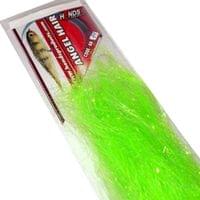
- Krystal flash, Angel Hair
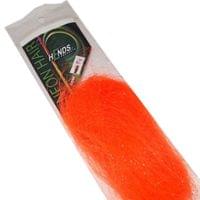
- Holographic Hair
- Fine Hair
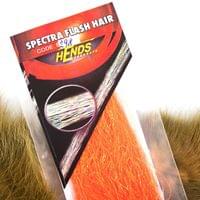
- Spectra Hair

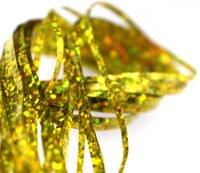


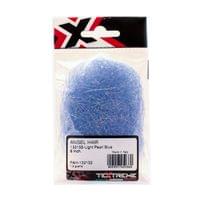
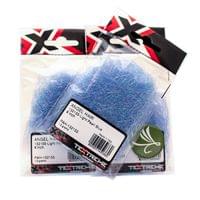
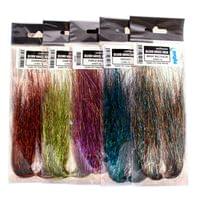
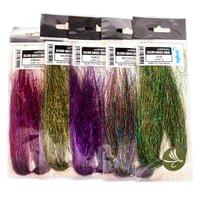


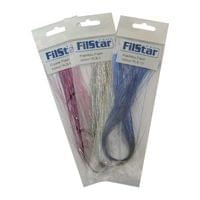
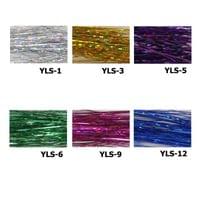


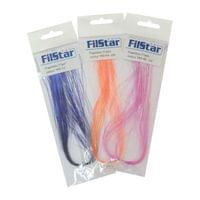
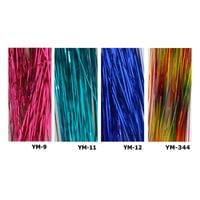


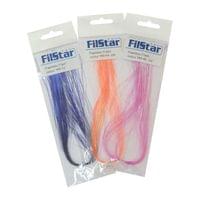
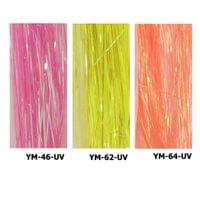


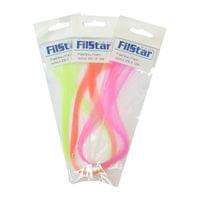
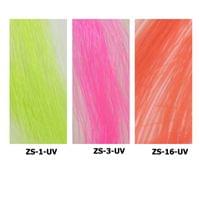


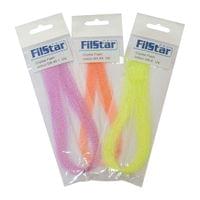
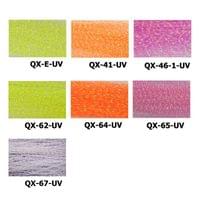


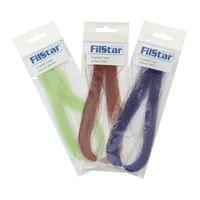








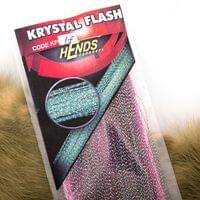


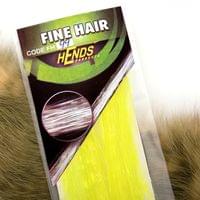


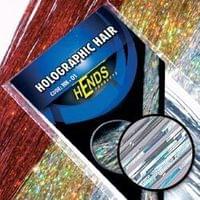


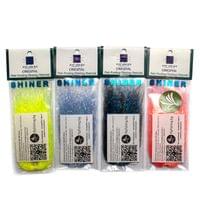






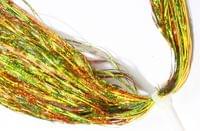


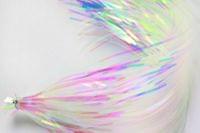


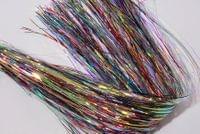


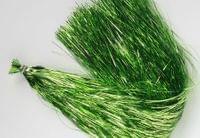


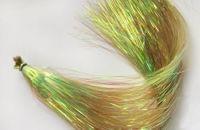


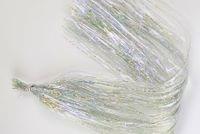


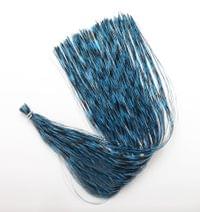


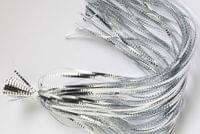


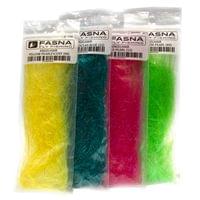
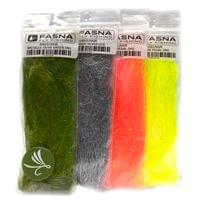


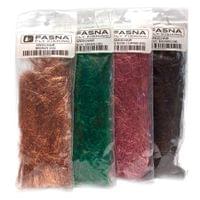
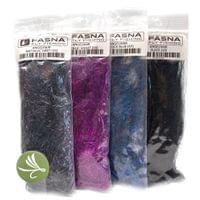




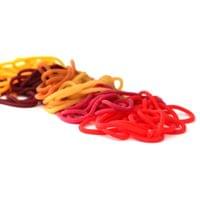
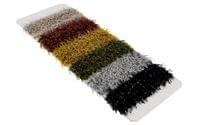
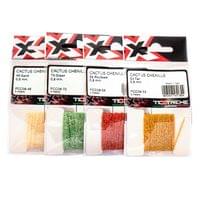
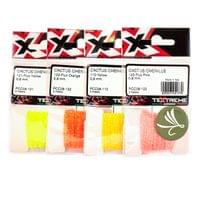
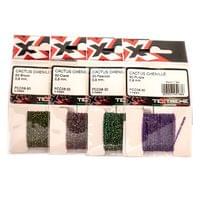
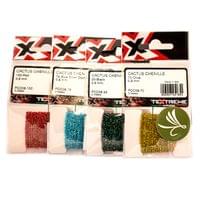
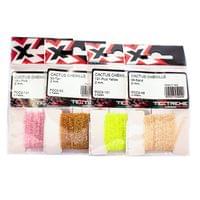
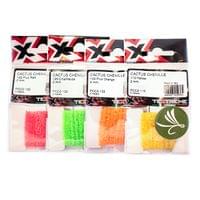
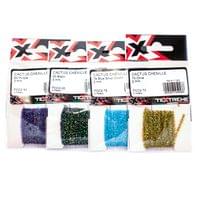
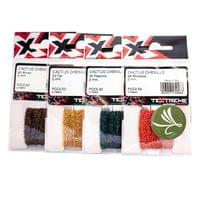
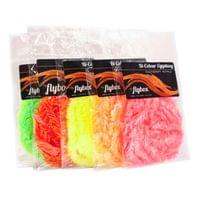
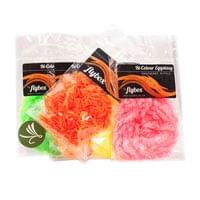
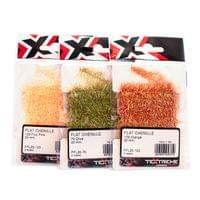
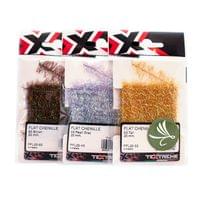
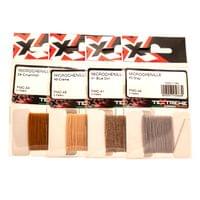
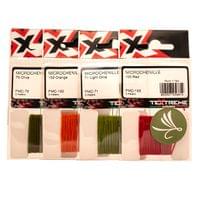
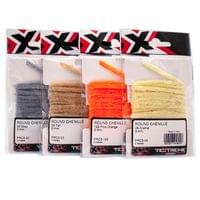
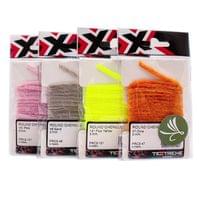
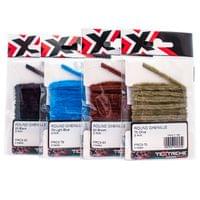
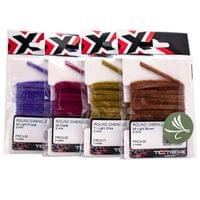
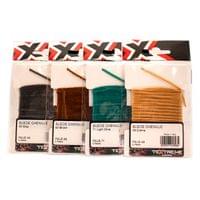
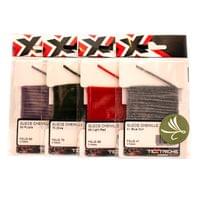
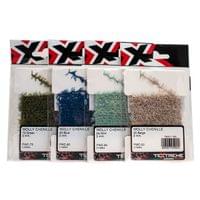
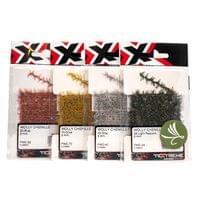
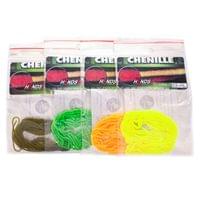
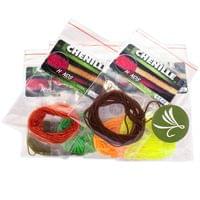
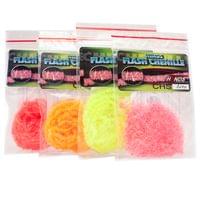
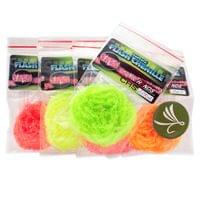
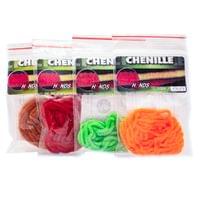
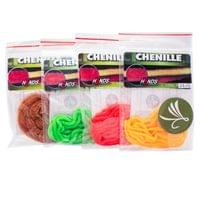
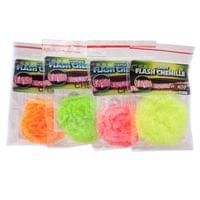
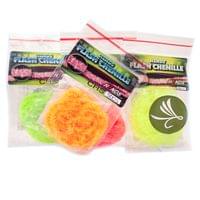
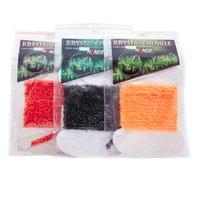
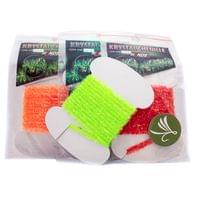
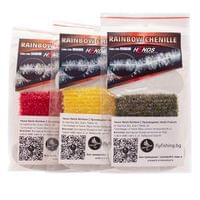
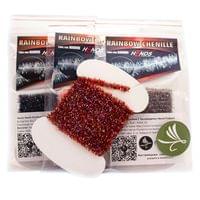
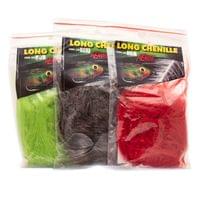
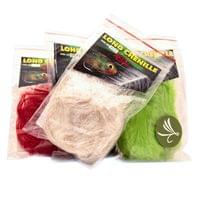
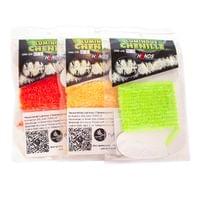
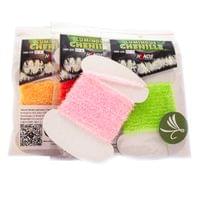
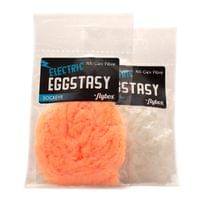
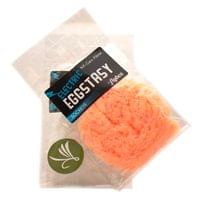
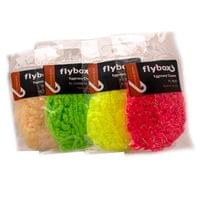
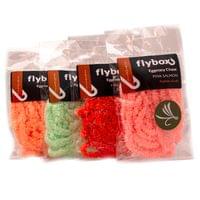
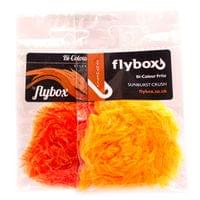
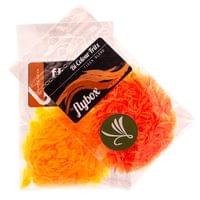
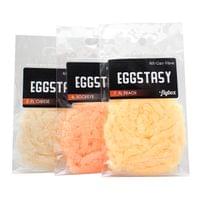
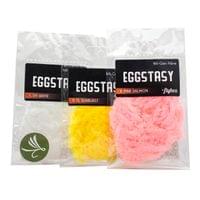
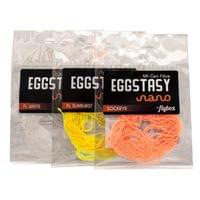
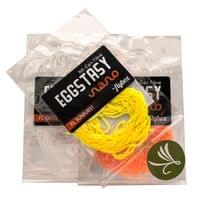
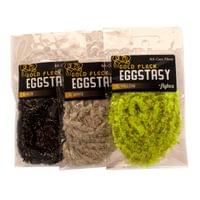
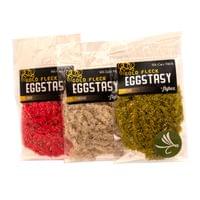
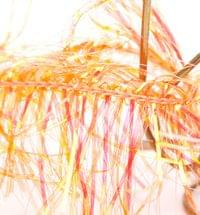
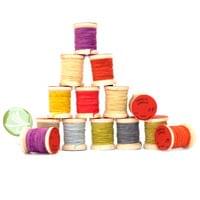
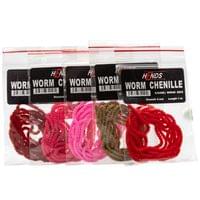
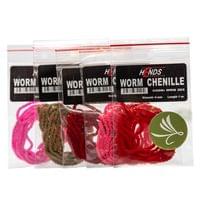
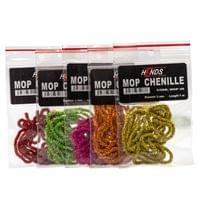
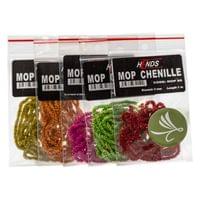
Chenilles - They are mainly used for the bodies of beetles and streamers
A large selection of chenilles is available, which differ in their structure, thickness, color and hair length
- They have different trade names for different brands - Flash chenille, Krystal chenille, UV-Ice and many more
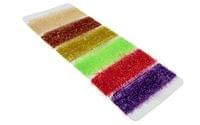
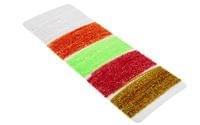
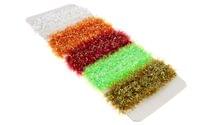
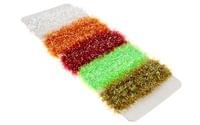
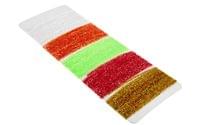
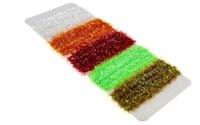
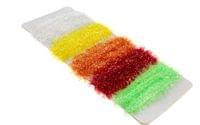
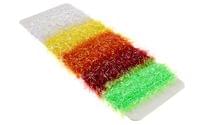
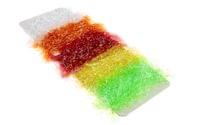
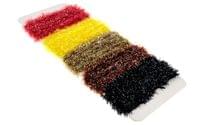
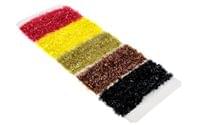
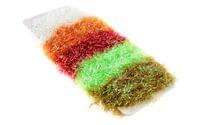
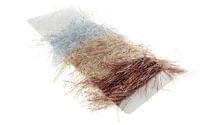
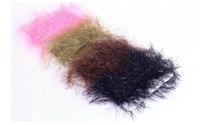
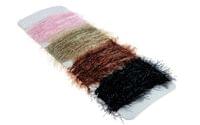
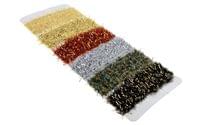
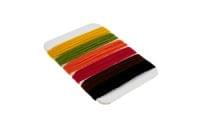
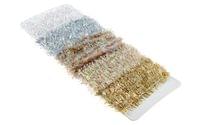
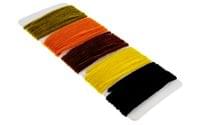











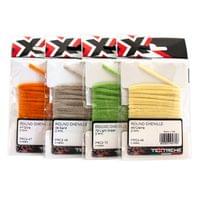
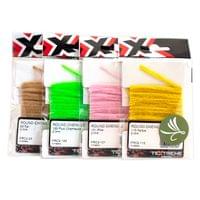


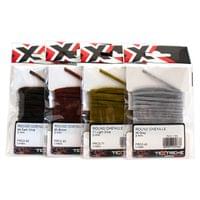
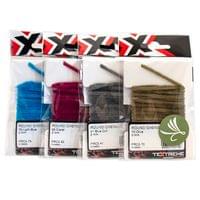
































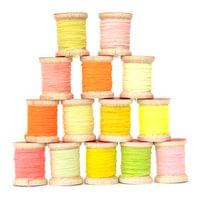
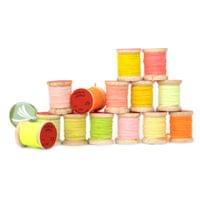


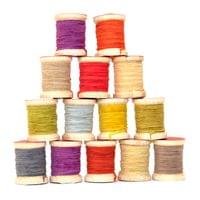







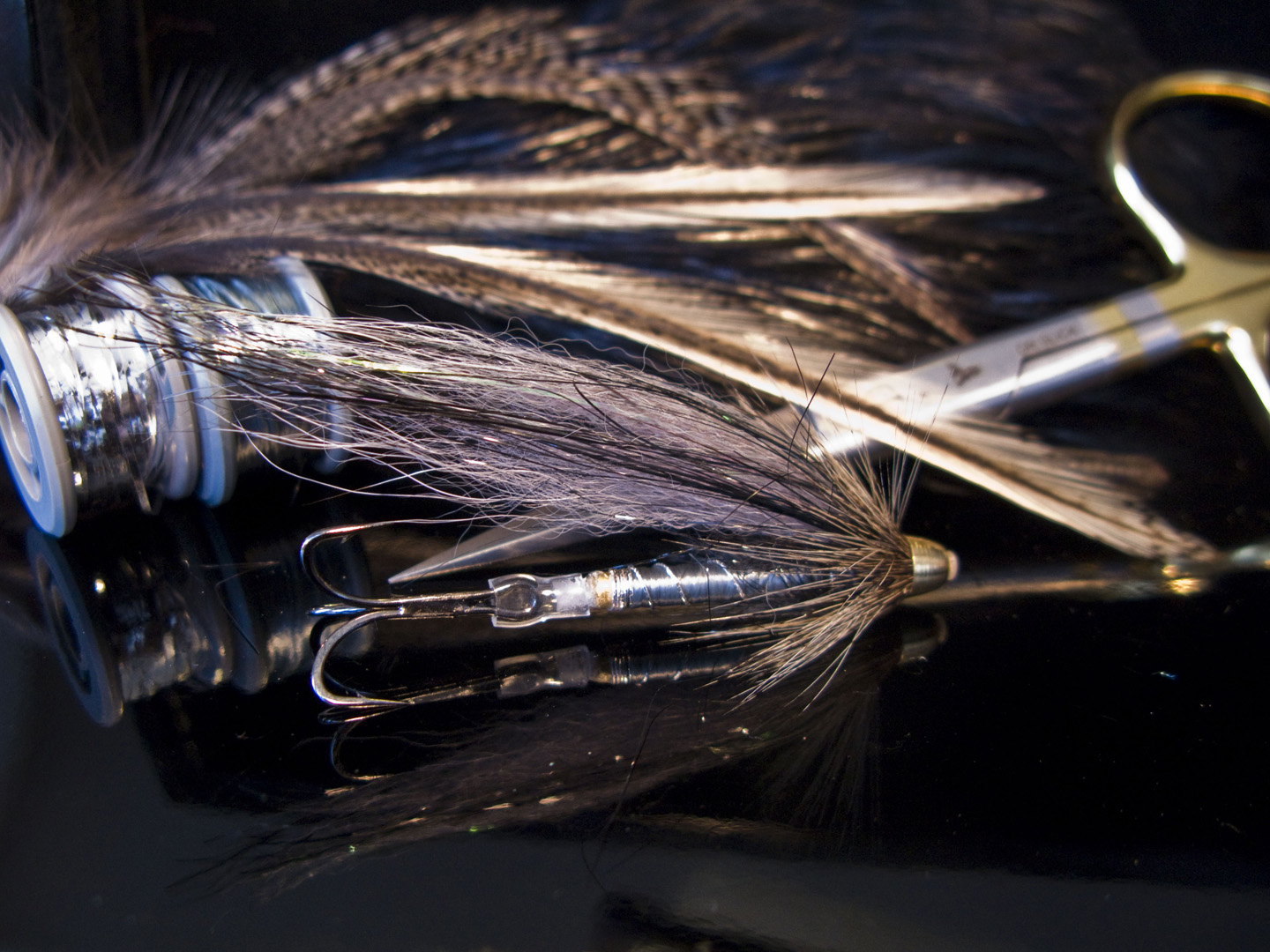
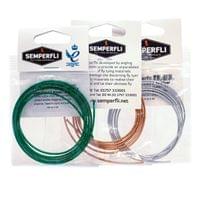
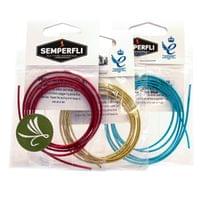
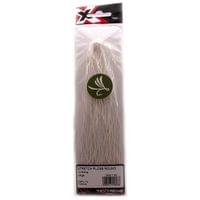
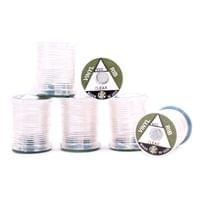
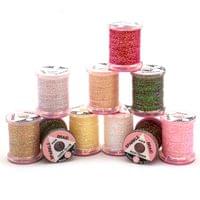
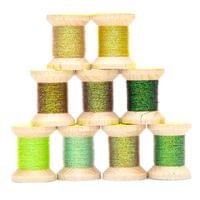
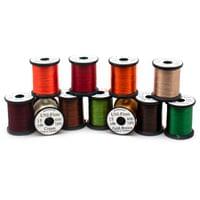
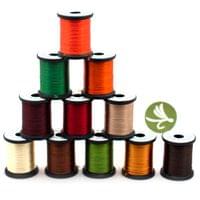
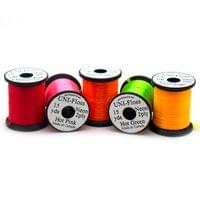
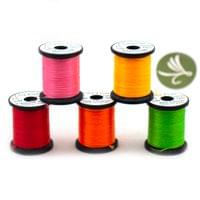
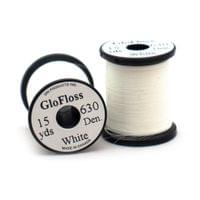
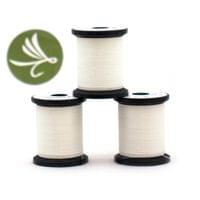
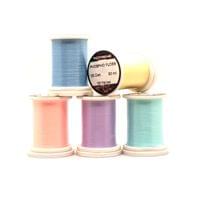
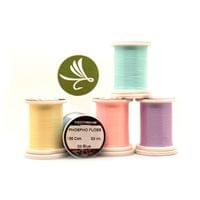
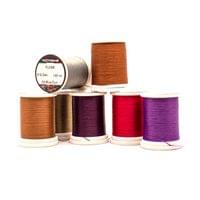
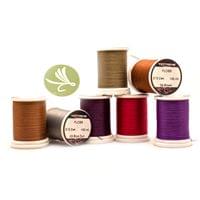
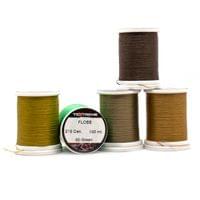
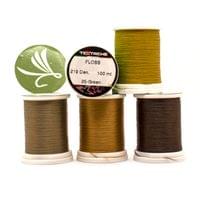
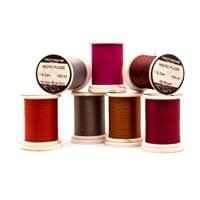
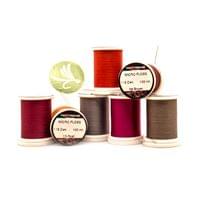
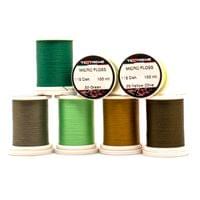
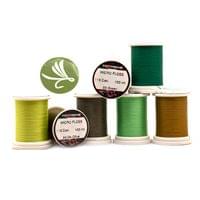
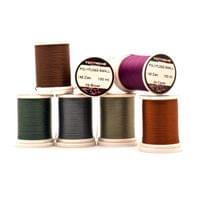
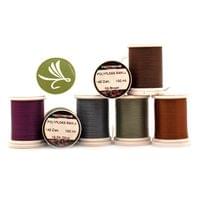
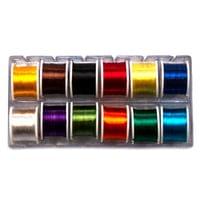
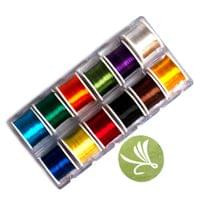
Tinsel and Floss - The best materials for ribbing
Tinsel and floss also come in a huge variety of thicknesses and colors
- They are used for fishing dry flies, wet flies and nymphs
- They are used for fishing classic and fishing salmon flies and streamers












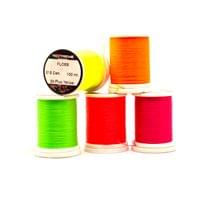
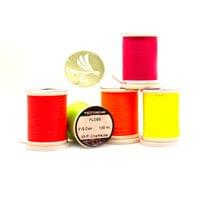


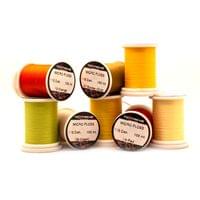
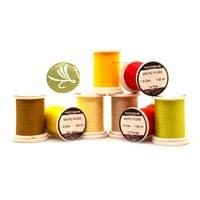






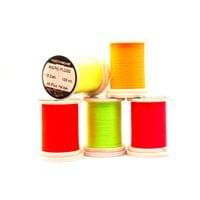
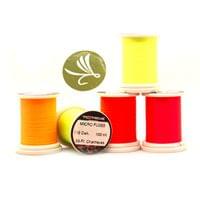


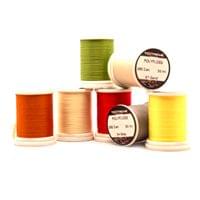
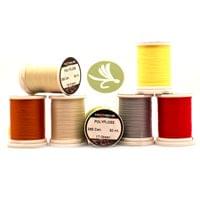


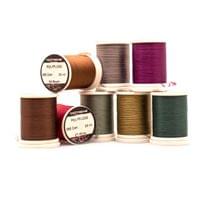
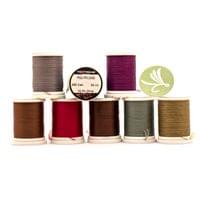


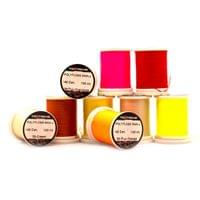
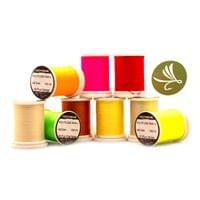




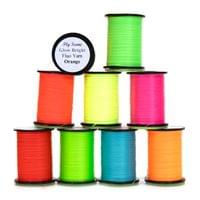
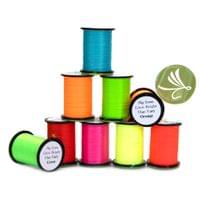


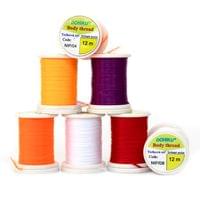
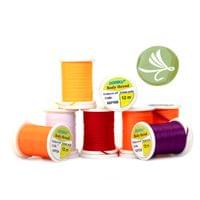



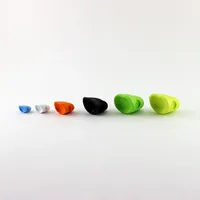
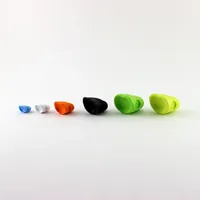
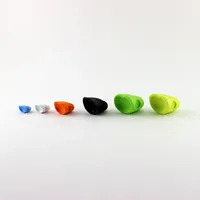
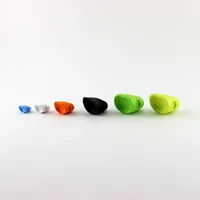
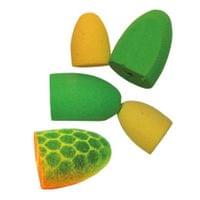
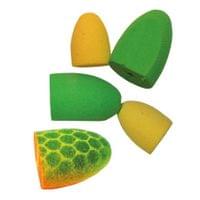
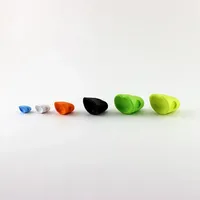
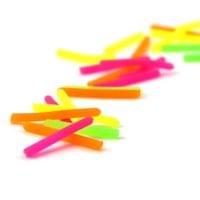
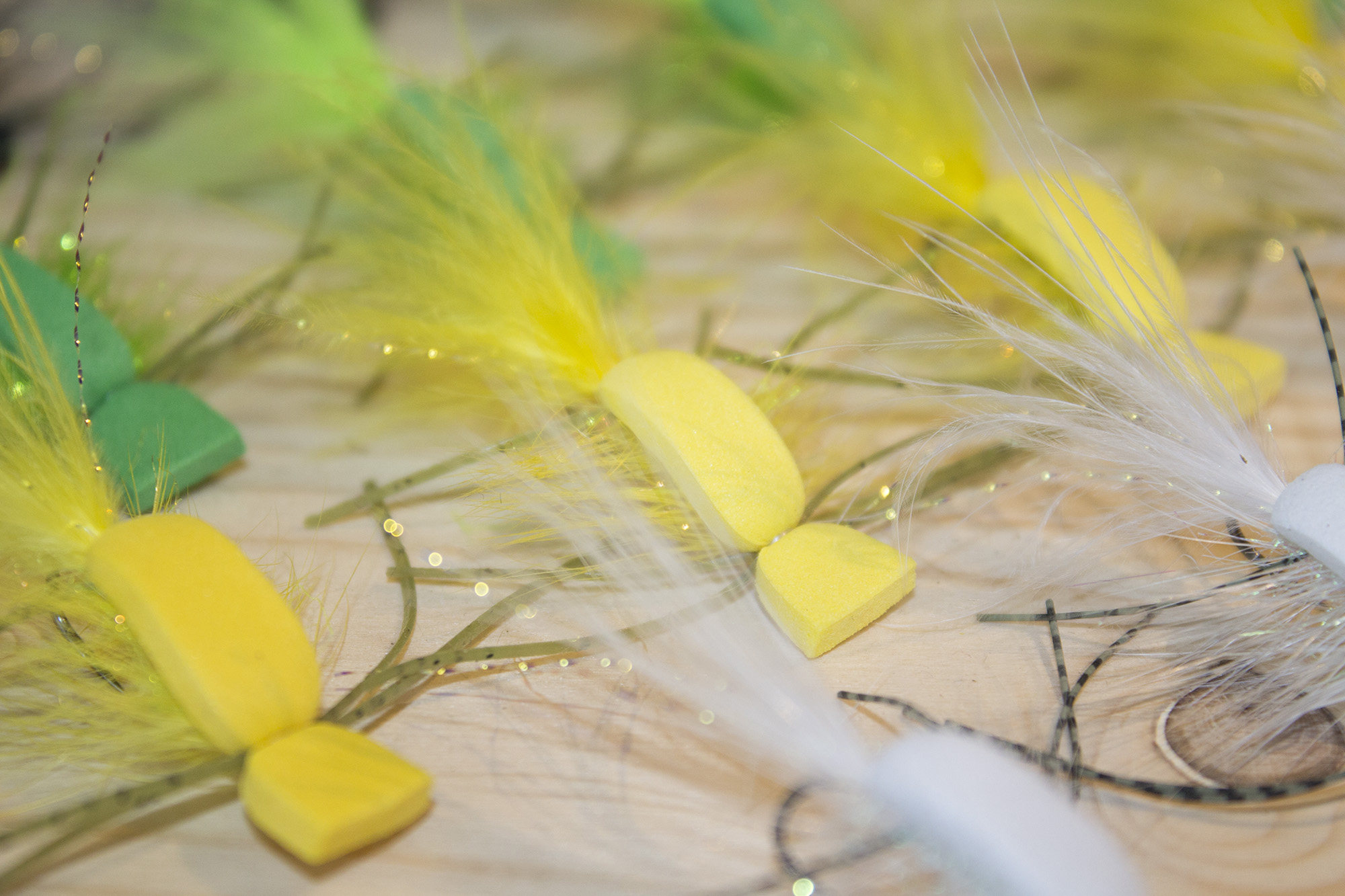
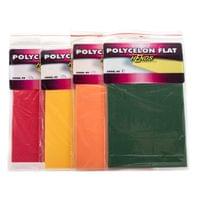
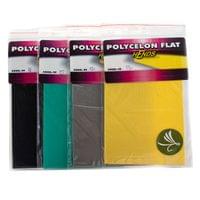
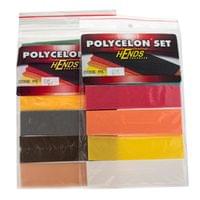
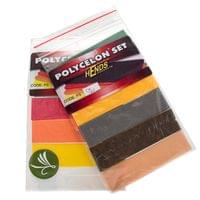
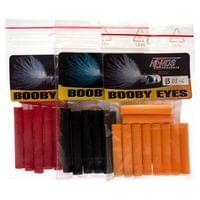
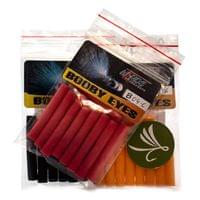
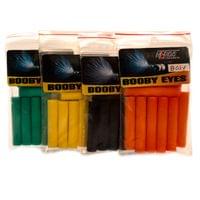
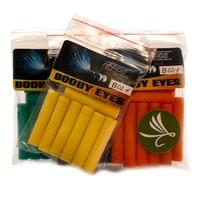
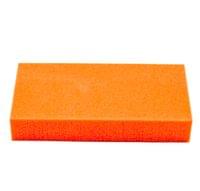
Foam - The most used material for making beetles and any other terrestrial insects
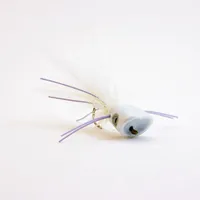
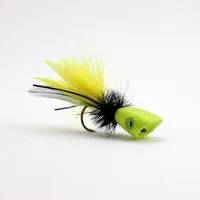
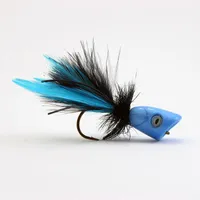
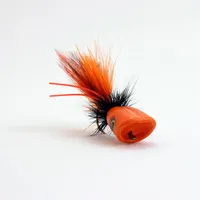
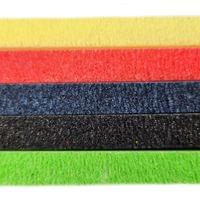
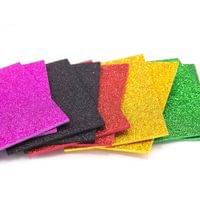
Microporous rubber comes in a variety of shapes and colors. Many surface-fishing flies are made from it
- Beetles, wasps, grasshoppers, ants
- Extended bodies or thongs on dry flies and emergers
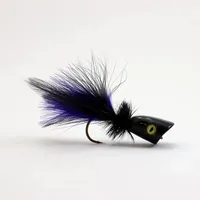
- Bodies and heads of many streamers and poppers for both freshwater and saltwater fishing













Applications
Synthetic materials are used across all fly types:
- streamers
- nymphs
- dry flies
- emergers
- attractor patterns
Synthetic vs Natural Materials
Synthetic materials do not replace natural ones — they complement them.
Natural materials:
- movement
- realism
- organic texture
Synthetic materials:
- control
- durability
- consistency
- visual attraction
Modern flies often combine both for best performance.
Combination with Other Materials
Synthetic materials work together with: