

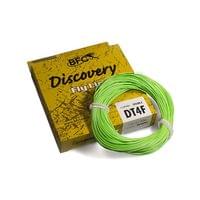
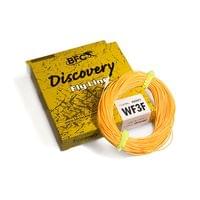
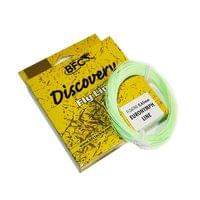
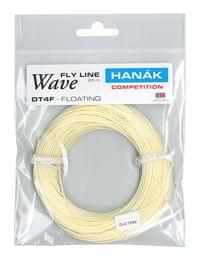
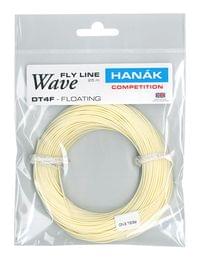
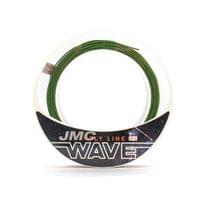
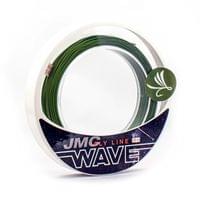
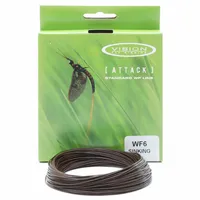
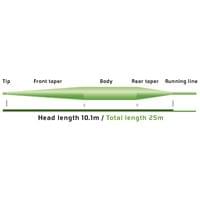
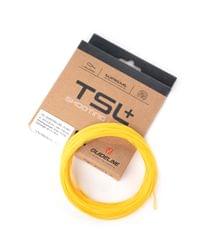
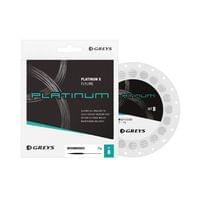
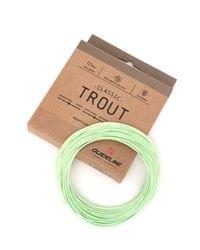
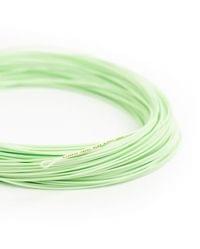
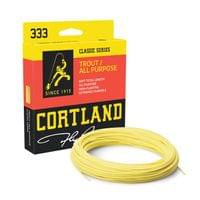
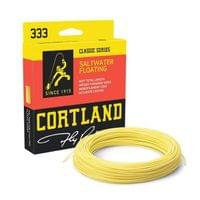
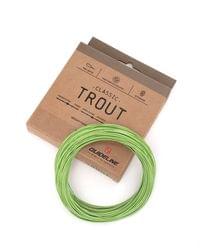
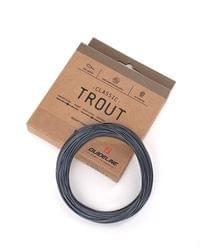
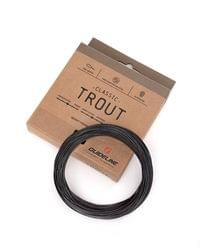

The fly line is one of the most basic components in fly fishing
Its weight in the air loads the rod and then, as it unloads, energy is transmitted from the rod along the line through the leader to the fly. Therefore, it is very important that the line matches the rod you want to use and that it fits it very well. This is achieved through the AFTM system, which actually determines the class of the rod and lines. Here are the characteristics by which fly lines are divided:
Weight
Like the rods traditionally range between 2nd and 12th weight, with of course very rare exceptions. Usually the class of the cord is chosen to be the same as the weight of the rod, but with some conventions - there are lines that are a little "heavier" or a little "lighter" than their weight, and therefore it is always good if you have the opportunity to test the specific fly line of your rod.
Taper (shape of the cone)
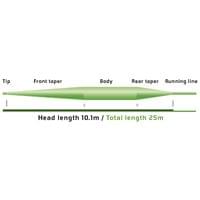
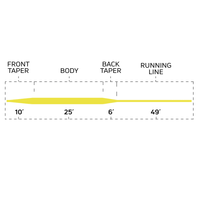
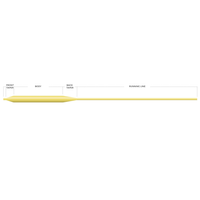
Cords are divided into "double taper" (DT - Double Taper), which actually have two identical parts and, in principle, can turn at one point, "weight forward" (WF - Weight Forward), at which there are really an awful lot of variants of the shape of the torpedo, "Parallel" (Parallel), which nowadays remains only on silk cords and on many Euro-nymphing models, "Shooting Head" which is a torpedo with different shape, which is attached with clubs to a thin parallel part, called "running" (Running Line). Choosing a cord for the type of torpedo is by no means an easy task and depends on the reservoir, the distance, the rod, the size of the flies, the method of feeding and a bunch of other factors. Either way, there are traditional tapers that work well on almost any type of rod, meaning that beginners can rely on line work and learning to cast without having the necessary knowledge of the details of tapers.
Buoyancy
According to their position in the water layer, cords are divided into many types - floating (Floating), which stay on the surface, intermediate (Intermediate), which sink very slowly and already sinking (Sinking) at different speeds and marked with the word Sink and a number after it, indicating the rate of sinking, measured in inches per second. With many models of cords and shooting heads, there are different sink rates for different parts of the cord - a floating run with a Sink 7 example head (Sink-tip), or a "Triple Density" shooting head, where the head is divided into three parts - for example Sink3/Sink5/Sink7. There are cords or shooting heads in sets, where the types are changed, for example, which have different buoyancy and many more different options.
Color
Usually floating lines are made in bright colors for the convenience of the angler when casting and then guiding the line on the water. There are still quite a few cords in more natural colors, which are more applicable to timid fish. Sinking cords can also usually be identified by color - intermediate cords are usually clear, slower sinkers are green, medium-fast sinkers are brown, and fastest sinkers are black. Many manufacturers recently make cords in two color ranges, with WF cords separating the head in a different color from the running to make it easier for the angler when casting.
Temperature of use
Different material cords are used for different water temperatures. Cords designed and manufactured for the tropics if used in northern countries stand like a steel spring and vice versa - cords for cold weather and cold rivers if used in warm countries become soft like ordinary rope or macaroni and accordingly no cast can be made.
Purpose
There is also a division of cords for fresh and salt water, and in the latter, additional technologies have been introduced in the materials used.