

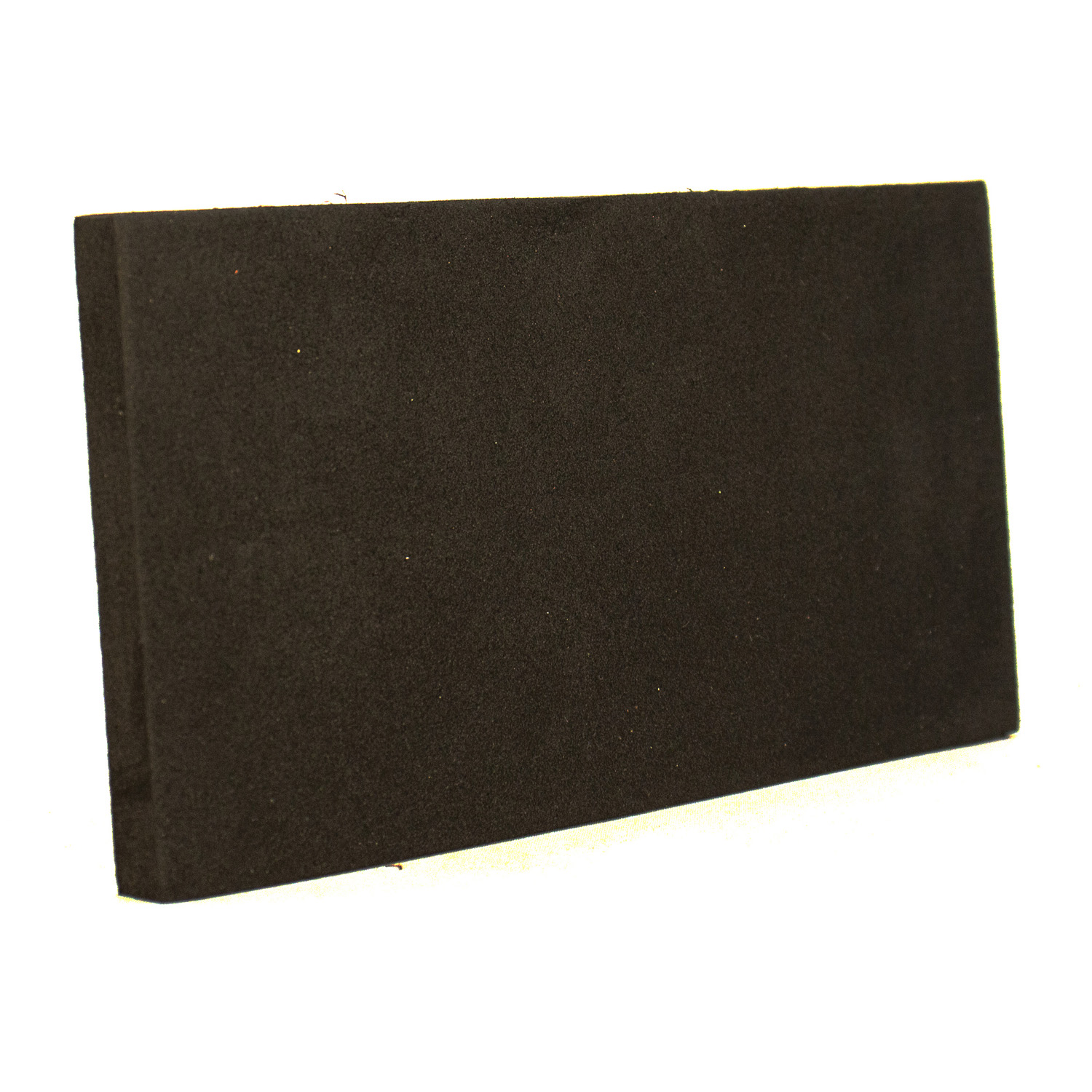
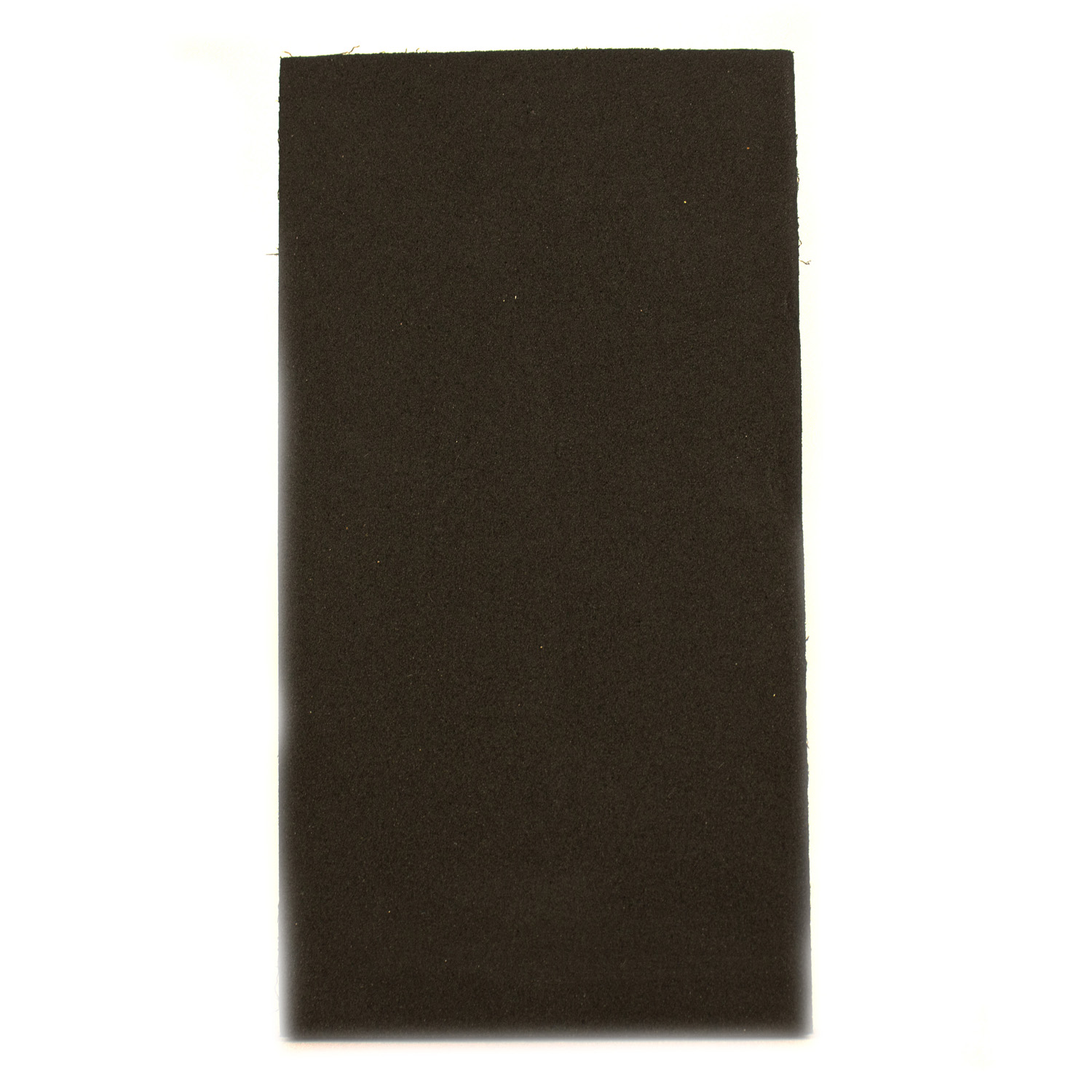
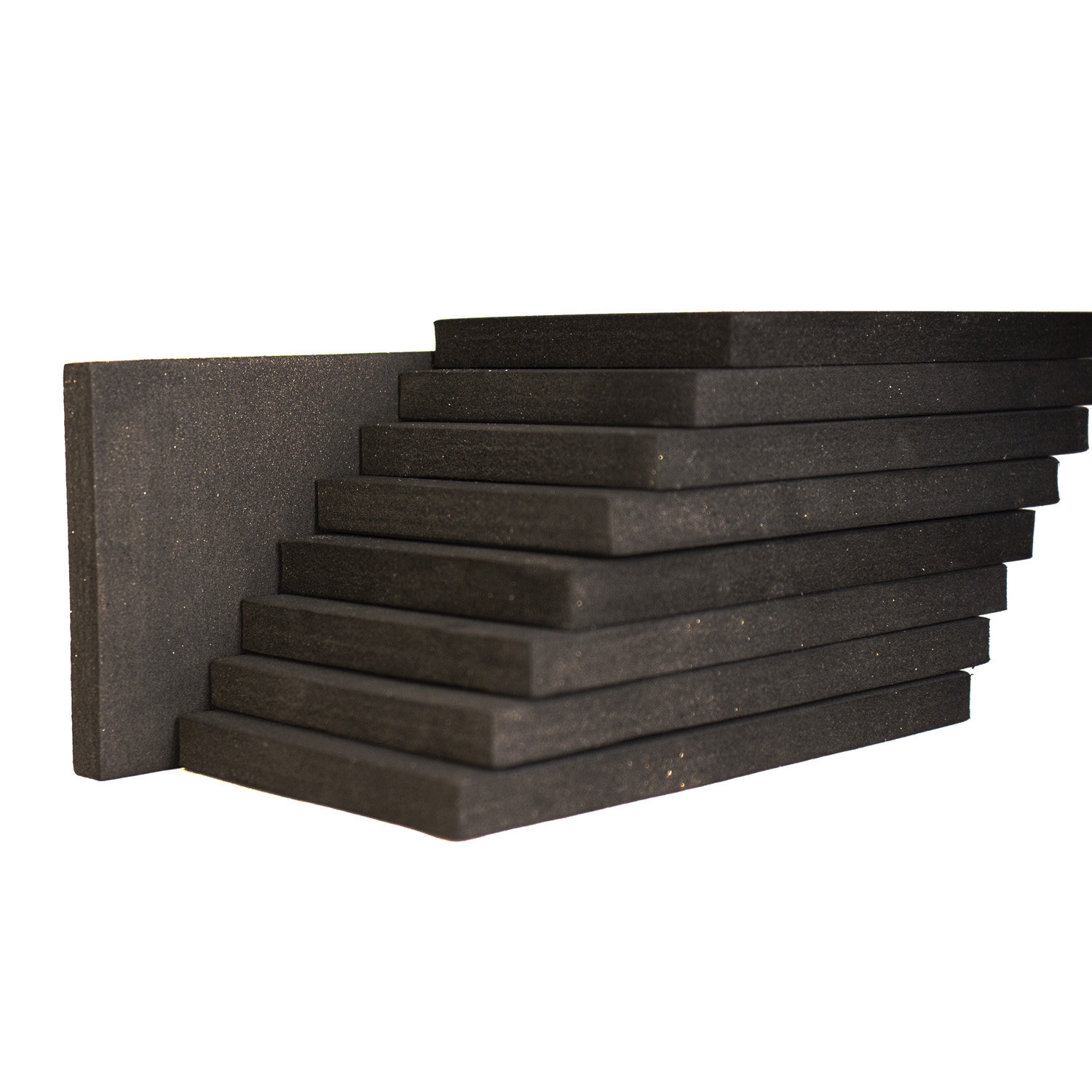
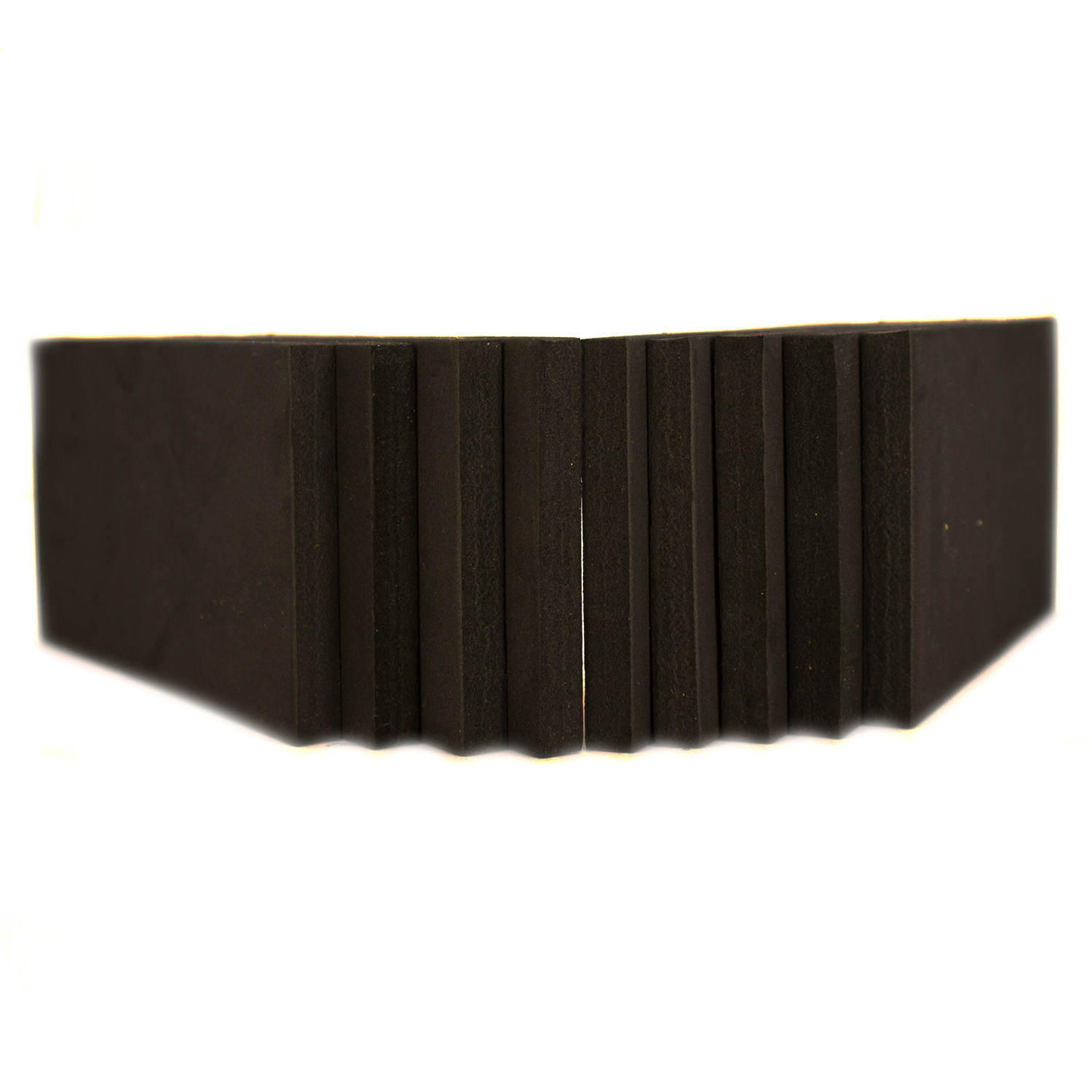
FlyFishing.bg Microcell Foam Sheet
FlyFishing.bg Microcell Foam Sheet is one of the most versatile and widely used materials for tying floating artificial flies. Lightweight, highly buoyant and easy to shape, it is an excellent choice for a wide variety of patterns, especially terrestrial flies that imitate land insects such as beetles, grasshoppers, ants, wasps, crickets and many others.
Among Bulgarian fly anglers, these patterns are commonly known as "Flip-Flop Flies". The nickname dates back to the early days of fly tying in Bulgaria, when many of these flies were literally cut from the foam soles of flip-flops. Today, high-quality microcell foam is available in a wide range of colours and consistent thicknesses, making it far easier to produce durable, professional-looking flies. A single sheet is enough to tie dozens, often hundreds, of patterns.
The material cuts cleanly with a sharp craft knife or scalpel. For even better results, warm the cut piece very gently over a desk lamp or another mild heat source before tying, then roll it a few times between your fingers. This softens the foam slightly, making it more flexible and easier to shape around the hook while producing smoother, more natural-looking bodies.
Besides terrestrial patterns, microcell foam is widely used for tying poppers, floating mice, strike indicators, floating bodies, wings and many other fly patterns where dependable buoyancy is essential.
Technical Specifications
| Material | Microcell floating foam |
| Dimensions | 13 × 7 × 1 cm |
| Buoyancy | Very high |
| Properties | Lightweight, flexible, easy to cut and shape |
| Application | Tying floating artificial flies |
| Suitable for | Terrestrial flies, beetles, grasshoppers, ants, wasps, poppers, mice, strike indicators, floating bodies and many other buoyant fly patterns |

|
FLYFISHING.BG RECOMMENDSFor the cleanest cuts, always use a razor-sharp craft knife or scalpel. After cutting the desired shape, warm the foam gently over a desk lamp and roll it between your fingers a few times. This simple technique makes the material more pliable, helps it wrap around the hook more naturally, and produces smoother, more refined fly bodies. One sheet of microcell foam is enough to tie dozens—often hundreds—of floating flies. |