

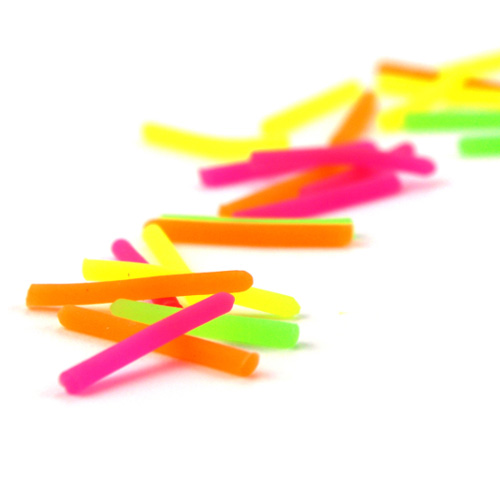
Flybox Micro Squirmy Legs
Flybox Micro Squirmy Legs is an ultra-soft, highly elastic silicone material designed for tying small Squirmy Worm patterns, flexible legs, feelers and other lifelike moving components on nymphs, streamers and attractor flies. Its fine diameter creates incredibly natural movement, even in the slightest current.
Technical Specifications
| Material | Soft elastic silicone material |
| Type | Material for Squirmy bodies, legs and feelers |
| Properties | Ultra-soft, highly elastic, lifelike movement, easy to tie |
| Applications | Squirmy Worm patterns, nymphs, streamers, legs, feelers and attractor flies |
| Manufacturer | Flybox |
What is Flybox Micro Squirmy Legs?
Flybox Micro Squirmy Legs is an ultra-soft silicone fly-tying material developed to create highly mobile components on artificial flies. Even in very slow currents, it moves freely to imitate worms, larvae, legs or antennae, giving flies an exceptionally realistic appearance.
Its smaller diameter makes it an excellent choice for delicate fly patterns tied on small hooks, where thicker materials would create unnecessary bulk. It can be used to form complete worm bodies or as flexible appendages that dramatically increase the movement and attractiveness of a fly.
Key Features
- Exceptionally lifelike movement in the water.
- Ultra-soft and highly elastic silicone material.
- Fine diameter for delicate fly patterns.
- Ideal for bodies, legs and feelers.
- Easy to tie and shape.
- Adds outstanding movement even during slow retrieves.
Ideal For
- Squirmy Worm patterns.
- European nymphs.
- Small streamers.
- Nymph and streamer legs.
- Feelers and antennae.
- Attractor fly patterns.

|
FLYFISHING.BG RECOMMENDSTo preserve the outstanding movement of Flybox Micro Squirmy Legs, secure the material with only a few tight thread wraps and a small drop of UV resin or head cement. Avoid excessive compression, as it reduces the natural flexibility that makes this material so effective underwater. |