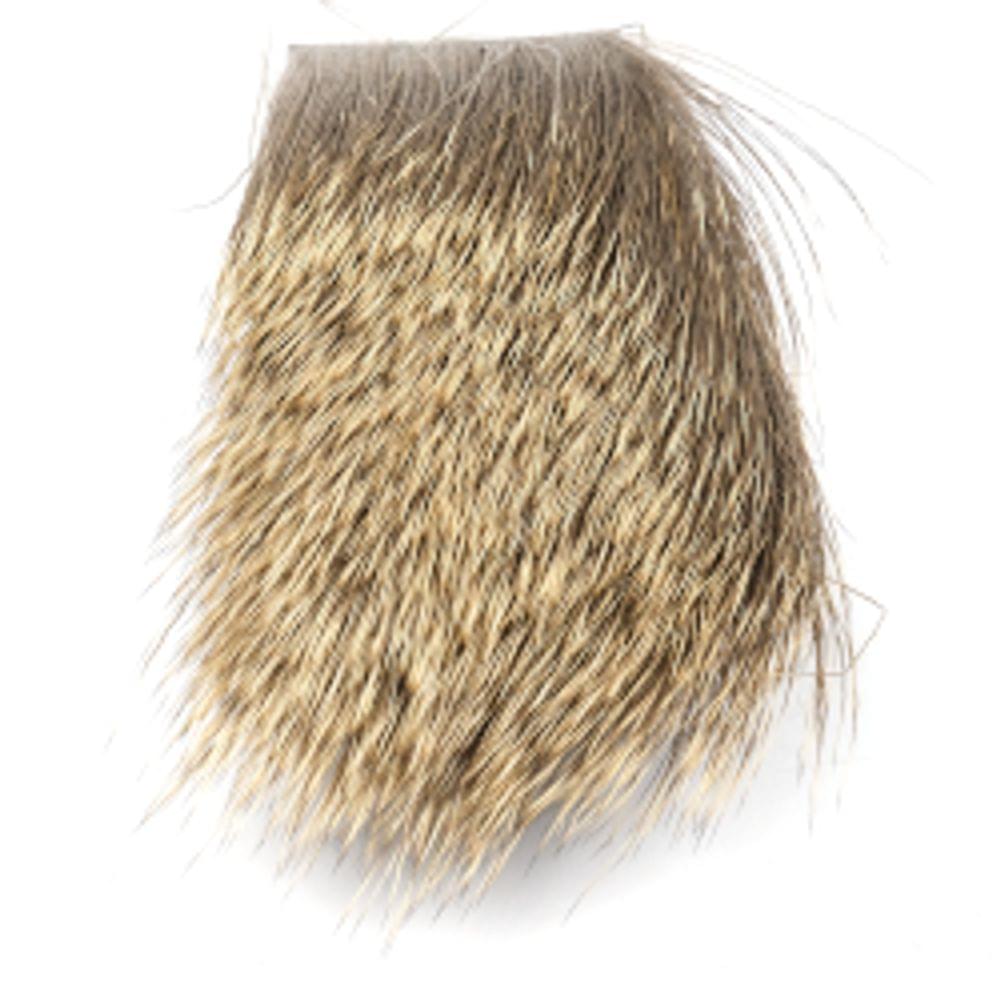
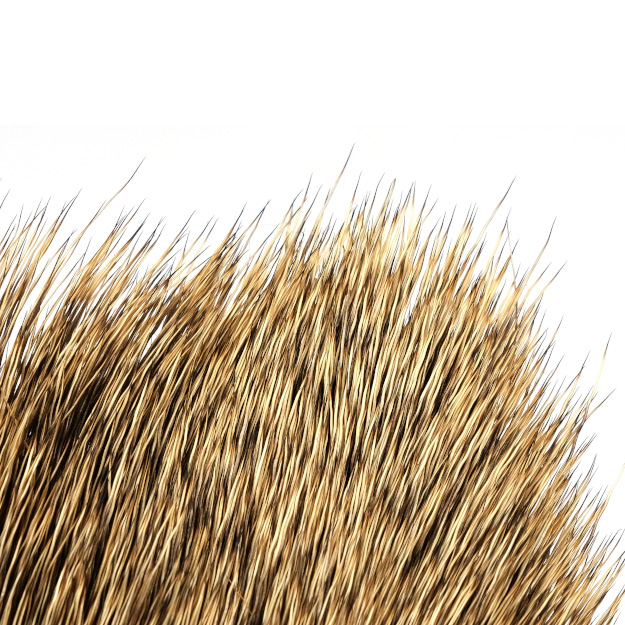
JMC Elk Hair
Premium North American Elk Hair for Dry Flies, Caddis Patterns and Floating Wings
JMC Elk Hair is hand-selected North American elk hair designed for tying high-floating dry flies with clean, durable wings. Thanks to its hollow fibre structure, the hair offers exceptional buoyancy, moderate stiffness and beautifully aligned tips, making it one of the essential natural materials for classic patterns such as Elk Hair Caddis, CDC & Elk, Goddard Sedge and many other caddis imitations.
The fibres are stiff enough to maintain perfectly shaped wings while remaining fine enough for medium and small hook sizes. Their natural buoyancy and durability make Elk Hair one of the preferred materials whenever a dry fly needs to ride high and remain visible throughout the drift.
What is Elk Hair?
Elk Hair comes from North American elk and is distinguished by its hollow, buoyant fibres with naturally fine, strong tips. Compared to most deer hair, elk hair is slightly coarser, flares less when tied down and produces cleaner, more stable wings that keep their shape during fishing.
The hair stacks easily with a hair stacker and secures firmly to the hook. Besides dry fly wings, it can also be used for tails, extended bodies, terrestrials, Muddler-style patterns and many other floating fly designs requiring a natural silhouette.
Why Choose JMC Elk Hair?
Excellent Natural Buoyancy
The hollow fibres trap air and keep dry flies floating longer.
Fine, Strong Tips
Create neat, symmetrical wings with very little preparation.
Moderate Flare
Provides stable wings without excessive spreading during tying.
Easy to Stack and Tie
Produces clean, professional-looking wings with minimal waste.
A Classic Dry Fly Material
Trusted by fly tyers worldwide for caddis, mayflies, stoneflies and terrestrial patterns.
Ideal For
- Elk Hair Caddis
- CDC & Elk
- Goddard Sedge
- Dry Flies
- Caddis Patterns
- Extended Bodies
- Floating Terrestrial Patterns

|
FLYFISHING.BG RECOMMENDATION
If your primary focus is tying winged dry flies, Elk Hair is often a better choice than standard deer hair. The fibres are stiffer, feature straighter tips and flare less when tied, making it much easier to create clean, durable wings. Unlike Deer Belly Hair, which is designed for spinning and stacking, Elk Hair excels in winged caddis patterns, CDC flies and other high-floating dry flies where wing shape is critical.
|
Classic Fly Patterns Using Elk Hair
Elk Hair is a fundamental material for iconic flies such as Elk Hair Caddis, CDC & Elk, Goddard Sedge, Irresistible Adams, grasshopper imitations and numerous caddis and stonefly patterns. Its excellent buoyancy and stable fibres have made it one of the defining natural materials in modern dry fly tying.
Technical Specifications
| Material |
Natural North American Elk Hair |
| Type |
Elk Hair |
| Best Suited For |
Dry Fly Wings and Floating Fly Patterns |
| Applications |
Elk Hair Caddis, CDC & Elk, Goddard Sedge, Caddis, Stoneflies and Terrestrial Patterns |
| Manufacturer |
JMC |
Deer fur is one of the most used materials for tying artificial flies. Necessarily, each binder should have a sufficient set of different types of fur, because they can be hollow and dense, thin and thick, different colors - both naturally different and artificially dyed. Deer fur is used for almost all elements of a fly - tails, bodies, wings, legs, heads ... It is present both in the smallest and fine dry flies and in large trout streamers. Examples include the wings of caddis (Elk Hair Caddis, Roman Moser's Balloon Caddis, Goddart & Henry Caddis), the bodies of some dry flies such as Irresistible Adams, the extended body of Ephemera Danica, the wings of Compara-Dun. It is used as dubbing, for example, with nymphs and gammarus, bodies of grasshoppers, beetles and ants, and it is very effective when their legs are made of broken fur. They make streamers like the classic Muddler Minnow, bodies of all kinds of mice, as well as the deerskin mouse and microporous Morris Mouse.
When working with the fur, it is highly recommended to use strong tying threads, as well as special scissors with a very fine serrated blade, with which cutting the excess fur becomes extremely easy because it does not slide on the blade. The term "Deer Hair" covers more than 30 species of animals from Europe and North America, as well as roe deer, elk, etc. Therefore, the variety is very large and it is complemented by the variants of the parts of the body from which the fur is taken, as well as the time of year when the fur is harvested and the way it is processed. Many books have been published about deer hair and the flies that are tied from it (For example - "Deer Hair Fly Tying Guidebook") and this is a whole universe in fly tying.