

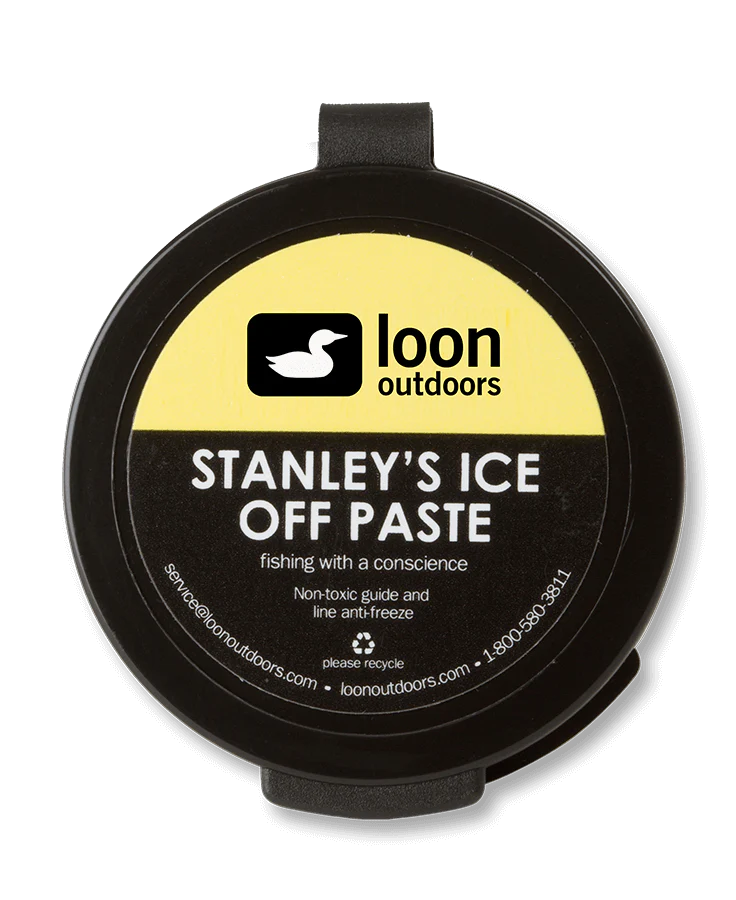
Loon Stanley's Ice Off Paste Guide Freeze Protection
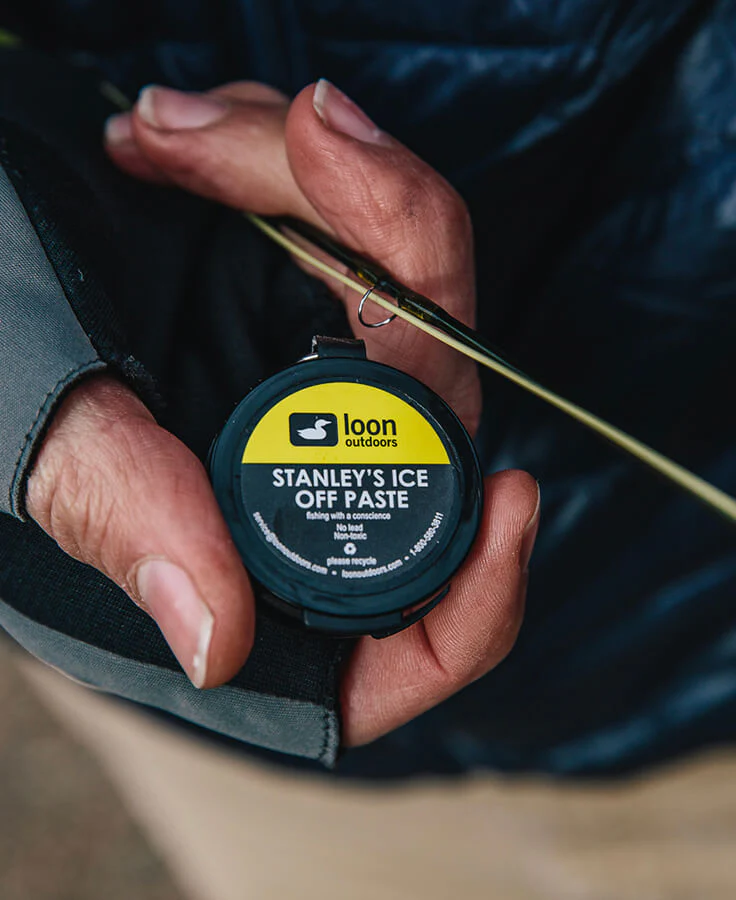
Loon Stanley's Ice Off Paste is a specialized guide freeze protection paste designed for fly rods used in cold weather conditions, when low temperatures can cause ice buildup on rod guides and interfere with normal equipment performance.
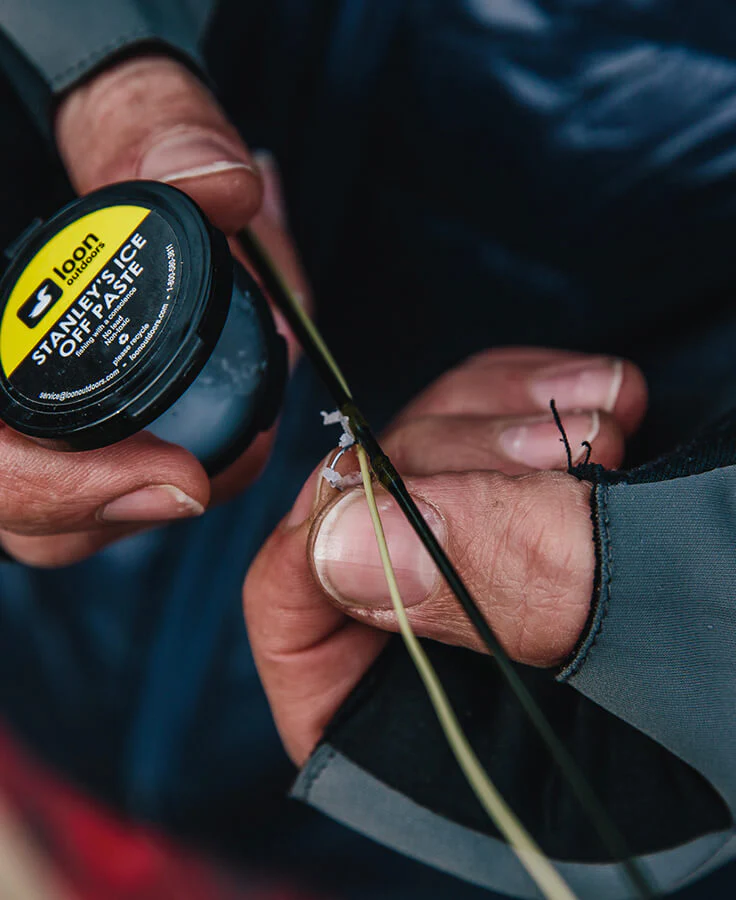
After application, the paste creates a thin protective layer on the surface of the guides, helping reduce water adhesion and ice formation. This allows the fly line to move more freely and provides a more comfortable fishing experience during cold-weather sessions.
Loon Stanley's Ice Off Paste is especially useful for winter trout fishing, when frozen guides can quickly become a serious problem. A small amount of product is enough to treat the guides and help maintain smooth rod performance.
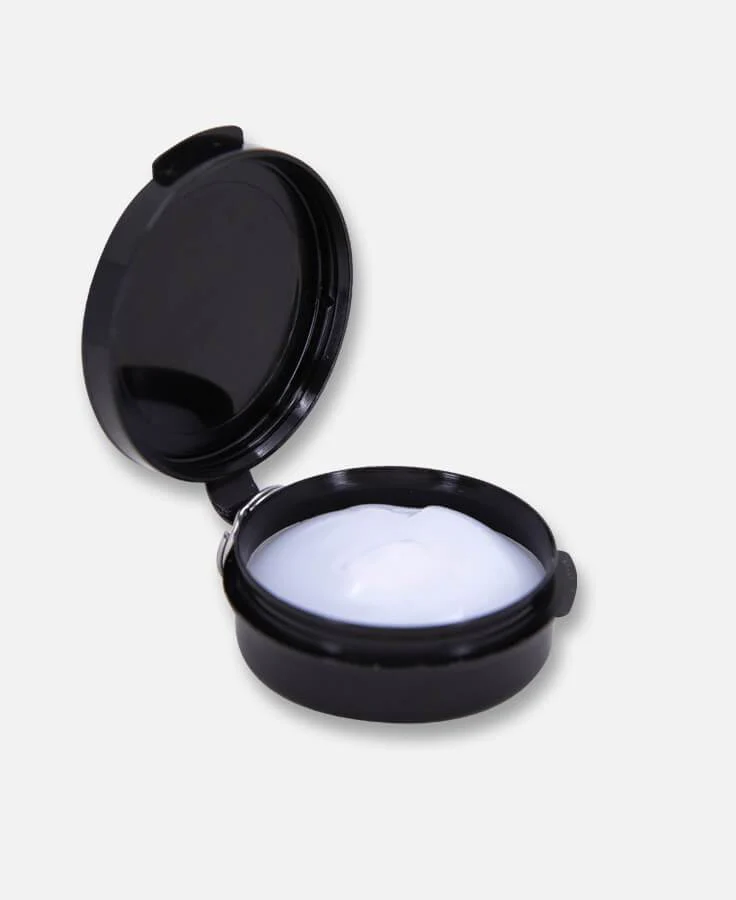
The compact container makes it convenient to carry and use directly on the water, making it a valuable accessory for anglers who continue fishing even in freezing temperatures.
Technical Specifications
| Type | Guide Freeze Protection Paste |
| Form | Paste |
| Purpose | Protecting rod guides from ice formation |
| Suitable For | Fly rods used in cold weather conditions |
| Action | Creates a protective layer and reduces water adhesion |
| Properties | Easy application, compact container, ideal for winter conditions |
| Manufacturer | Loon Outdoors |
How to Use
Apply a small amount of Loon Stanley's Ice Off Paste to clean and dry fly rod guides before starting your fishing session.
Spread a thin, even layer across the inside surface of the guides. Reapply when necessary during fishing in prolonged freezing conditions.
Key Features
- Specialized guide freeze protection paste.
- Designed for fishing in cold weather conditions.
- Helps reduce ice buildup on rod guides.
- Supports smooth fly line movement.
- Easy to use directly on the water.
- Compact accessory for winter fishing.

|
TIP FROM FlyFishing.bgWinter fishing often depends not on major changes in technique, but on small details. Properly prepared rod guides can save valuable time and prevent frustration when temperatures drop below freezing. |